


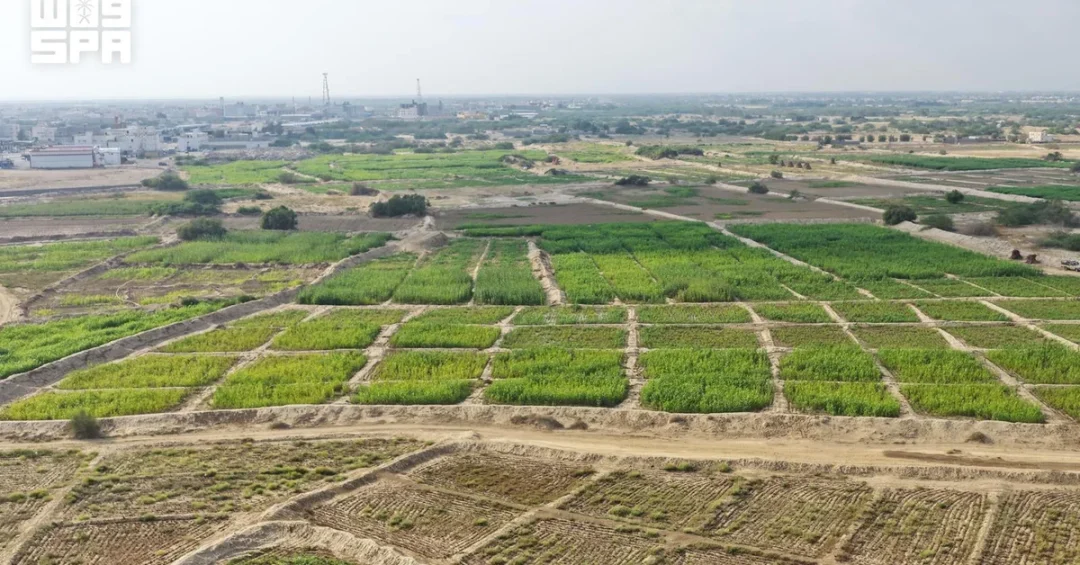
Seasonal rains have transformed the plains and valleys of Tihama in the Aseer Region into a vibrant patchwork of maturing sorghum fields, according to the Saudi Press Agency (SPA), as local farmers prepare for the early green-grain harvest and the subsequent full harvest. The moderate temperatures accompanying the rains have saturated the soil, while nutrient-rich floodwaters descending from the Sarawat highlands are captured in traditional earthen irrigation basins, replenishing soil fertility and supporting one of the Kingdom’s most important traditional agricultural cycles.
The development, reported by SPA on November 21, 2026, highlights the enduring role of sorghum cultivation in Saudi Arabia’s agricultural heritage and its contribution to food security and sustainable rural development. Have you ever wondered how ancient farming techniques continue to shape modern food systems in the Kingdom? The Aseer plains, with their terraced fields and time-honored water management practices, offer a living answer. This year’s abundant rains have not only revitalized the landscape but also reinforced the resilience of local farming communities who have cultivated these lands for generations.
Context and Background
What makes the Aseer Region uniquely suited to sorghum cultivation? Located in southwestern Saudi Arabia, Aseer is known for its mountainous terrain, fertile valleys, and distinct microclimate that benefits from seasonal monsoon rains. The Tihama plains, stretching along the Red Sea coast and rising toward the Sarawat mountains, have long been the Kingdom’s agricultural heartland for sorghum, a drought-tolerant cereal that thrives in warm, semi-arid conditions. The crop has been a staple of local diets and livestock feed for centuries, deeply embedded in the cultural and economic fabric of the region.
According to official Saudi sources, the current agricultural flourishing is driven by moderate temperatures coinciding with seasonal rains that saturate the soil. The nutrient-rich floodwaters descending from the Sarawat highlands are captured within traditional earthen irrigation basins, a method that has been refined over generations to maximize water efficiency and soil fertility. These basins, known locally as ‘kharif’ or similar structures, allow farmers to make the most of limited water resources in an arid environment. This year’s rains have been particularly beneficial, ensuring that vast stretches of fields turn vibrant green with maturing sorghum crops.
The timing of the rains aligns with the critical growth stages of sorghum, preparing the crop for the early green-grain phase and subsequent full harvest. Local farmers and residents eagerly anticipate the early harvest phase, when soft, immature green grains are gathered and easily ground into key ingredients for traditional dishes. This phase is not only a culinary delight but also a vital economic resource, as both fresh green grains and fully ripened crops are sold in local markets. The green stalks and leaves provide high-value fodder for livestock breeders, supporting food security and sustainable rural development across the region.
Key Details
The Saudi Press Agency report emphasizes the peak agricultural activity in the plains and valleys of Tihama, where vast stretches of fields are turning vibrant green. The moderate temperatures, combined with seasonal rains and floodwaters from the Sarawat highlands, have created ideal conditions for sorghum cultivation. Farmers are utilizing traditional earthen irrigation basins to capture and distribute water, ensuring that soil fertility is replenished naturally. This method not only conserves water but also enhances the nutrient content of the soil, reducing the need for synthetic fertilizers.
What are the specific stages of the sorghum harvest? The early green-grain phase, known locally as ‘habb al-akhdar’ or similar terms, involves gathering soft, immature grains that are easily ground into ingredients for traditional dishes such as porridge and flatbreads. These green grains are highly nutritious and are often consumed fresh or sold in local markets. The subsequent full harvest occurs when the grains have matured and dried, providing a more durable staple that can be stored for longer periods. Both phases contribute to the local economy, with farmers selling their produce in bustling markets across Aseer and beyond.
The green stalks and leaves of the sorghum plant are equally valuable, serving as high-quality fodder for livestock breeders. This dual-purpose nature of sorghum—providing both human food and animal feed—makes it an essential crop for rural livelihoods. According to SPA, the cultivation supports food security and sustainable rural development, aligning with broader national goals. The traditional irrigation basins, maintained by local communities, are a testament to the ingenuity of Saudi farmers and their ability to adapt to the environment. The current season’s success is a direct result of these time-tested practices combined with favorable weather conditions.
International and Regional Impact
How does sorghum cultivation in Aseer resonate beyond Saudi Arabia’s borders? As global food security concerns rise, Saudi Arabia’s ability to sustainably produce staple crops like sorghum serves as a model for other arid regions. The Kingdom’s commitment to agricultural self-sufficiency is part of its broader economic diversification strategy under Vision 2030. By preserving traditional farming methods while integrating modern techniques, Saudi Arabia demonstrates that heritage and innovation can coexist. The Aseer region’s success could inspire similar initiatives in neighboring countries facing comparable climate challenges.
Regionally, the abundant sorghum harvest contributes to the stability of local food markets and supports the livelihoods of thousands of farmers and herders. The crop’s resilience to drought and its ability to thrive with minimal water make it an attractive option for sustainable agriculture in the Middle East and North Africa. Saudi Arabia’s experience with sorghum cultivation could be shared through agricultural cooperation programs, enhancing regional food security. Furthermore, the harvest season attracts attention from agricultural researchers and policymakers interested in climate-resilient crops, positioning Aseer as a hub for traditional knowledge and modern innovation.
Economic and Strategic Significance
What economic benefits does the sorghum harvest bring to the Aseer region? The cultivation and sale of sorghum, both as green grain and mature crop, generate income for local farmers and traders. The livestock fodder derived from stalks and leaves supports the region’s animal husbandry sector, which is a key source of meat and dairy products. This integrated agricultural system reduces waste and maximizes the value of each harvest. According to official sources, the activity supports food security and sustainable rural development, two pillars of Saudi Arabia’s national strategy.
Strategically, the success of sorghum cultivation in Aseer underscores the importance of water management and soil conservation in arid environments. The traditional earthen irrigation basins, which capture floodwaters from the Sarawat highlands, are a prime example of how local knowledge can address modern challenges. As Saudi Arabia continues to invest in agricultural technology and infrastructure, these traditional methods offer valuable lessons. The current season’s bountiful harvest is a reminder that sustainable agriculture is not only possible but can thrive when communities, government, and natural resources work in harmony.
Vision 2030 Alignment
How does the sorghum harvest in Aseer align with Saudi Vision 2030? The Vision aims to diversify the economy, enhance food security, and promote sustainable development. Agriculture plays a crucial role in these goals, and the Aseer region’s sorghum cultivation exemplifies how traditional practices can contribute to modern objectives. By supporting local farmers and preserving heritage crops, the Kingdom strengthens its rural economy and reduces reliance on imports. The SPA report highlights that the harvest supports food security and sustainable rural development, directly echoing Vision 2030’s emphasis on a vibrant society and a thriving economy.
As Saudi Arabia continues its journey toward a more diversified and sustainable future, the seasonal rains that boost sorghum cultivation in Aseer serve as a symbol of resilience and prosperity. The Kingdom’s leadership, through initiatives that empower local communities and promote agricultural innovation, ensures that regions like Aseer remain vital contributors to national success. With each harvest, Saudi Arabia moves closer to achieving its Vision 2030 goals, demonstrating that tradition and progress can flourish together. The vibrant green fields of Tihama are not just a seasonal spectacle; they are a testament to the enduring spirit of Saudi agriculture and its bright future.
20 Questions
Q1. What is the main agricultural activity currently taking place in the Aseer Region?
A1. The plains and valleys of Tihama in Aseer are witnessing peak agricultural activity as vast stretches of sorghum fields turn vibrant green, preparing for the early green-grain phase and subsequent full harvest, according to the Saudi Press Agency.
Q2. What weather conditions are driving this agricultural flourishing?
A2. Moderate temperatures coinciding with seasonal rains that saturate the soil, along with nutrient-rich floodwaters descending from the Sarawat highlands, are driving the flourishing sorghum cultivation in the region.
Q3. How are the floodwaters from the Sarawat highlands utilized by farmers?
A3. Farmers capture the floodwaters within traditional earthen irrigation basins, which replenish soil fertility and provide essential moisture for the sorghum crops, demonstrating sustainable water management practices.
Q4. What is the early green-grain phase in sorghum cultivation?
A4. The early green-grain phase is when soft, immature green grains are gathered and easily ground into key ingredients for traditional dishes. This phase is highly anticipated by local farmers and residents.
Q5. How does sorghum contribute to the local economy?
A5. Both fresh green grains and fully ripened crops are sold in local markets, providing income for farmers. Additionally, the green stalks and leaves serve as high-value fodder for livestock breeders, supporting the rural economy.
Q6. What role does sorghum play in food security?
A6. Sorghum is a staple crop that provides nutritious food for local communities and feed for livestock. Its cultivation supports food security and sustainable rural development, aligning with national goals.
Q7. Which Saudi region is highlighted in the report for sorghum cultivation?
A7. The Aseer Region, specifically the plains and valleys of Tihama, is highlighted in the report for its vibrant sorghum cultivation and traditional agricultural practices.
Q8. What are traditional earthen irrigation basins and why are they important?
A8. Traditional earthen irrigation basins are structures used to capture and store floodwaters from the Sarawat highlands. They are important for replenishing soil fertility and ensuring water availability for crops in an arid environment.
Q9. How does sorghum cultivation support livestock breeders?
A9. The green stalks and leaves of the sorghum plant provide high-value fodder for livestock, supporting animal husbandry and the production of meat and dairy products in the region.
Q10. What is the significance of the Sarawat highlands in this agricultural context?
A10. The Sarawat highlands are the source of nutrient-rich floodwaters that descend to the Tihama plains, providing essential irrigation and soil enrichment for sorghum cultivation through traditional basin systems.
Q11. When was this report released by the Saudi Press Agency?
A11. The Saudi Press Agency released the report on November 21, 2026, highlighting the peak agricultural activity and the promising sorghum harvest in the Aseer Region.
Q12. What traditional dishes are made from green sorghum grains?
A12. Green sorghum grains are ground into ingredients for traditional dishes such as porridge and flatbreads, which are nutritious and culturally significant in the local cuisine of the Aseer Region.
Q13. How does this agricultural activity align with Saudi Vision 2030?
A13. The activity supports food security and sustainable rural development, which are key pillars of Saudi Vision 2030. It also promotes economic diversification and the preservation of cultural heritage.
Q14. What makes sorghum a suitable crop for the Aseer Region?
A14. Sorghum is drought-tolerant and thrives in warm, semi-arid conditions, making it ideal for the Aseer Region’s climate. It also benefits from seasonal rains and traditional irrigation methods.
Q15. How do local farmers anticipate the harvest season?
A15. Local farmers and residents eagerly anticipate the early harvest phase, when green grains are gathered. This phase is a time of community activity and economic opportunity, celebrated for its cultural significance.
Q16. What are the two main harvest phases for sorghum?
A16. The two main phases are the early green-grain phase, when immature grains are harvested for immediate use, and the subsequent full harvest, when mature grains are collected for storage and market sale.
Q17. How does sorghum cultivation contribute to sustainable rural development?
A17. It provides income, food, and livestock feed, reducing poverty and enhancing food security. The use of traditional water management practices also ensures environmental sustainability and community resilience.
Q18. What is the role of the Saudi Press Agency in reporting this news?
A18. The Saudi Press Agency is the official news agency of Saudi Arabia, providing accurate and timely information about developments in the Kingdom, including agricultural activities in the Aseer Region.
Q19. How might this harvest impact local markets in Aseer?
A19. The harvest will bring fresh green grains and mature crops to local markets, increasing supply and supporting traders. The availability of fodder will also benefit livestock markets and related industries.
Q20. What does the success of this season signify for Saudi agriculture?
A20. It signifies the resilience and sustainability of traditional farming practices, the importance of water management, and the potential for agriculture to contribute to Saudi Arabia’s food security and Vision 2030 goals.
Reader Feedback
We value your thoughts. Please share your feedback on this article.
Your feedback helps us improve our coverage.
Related articles
 Madinah Chamber Discusses Knowledge Economic City as Global Destination
 LCGPA Sets 40% Local Content Rule for Road Projects
 ZATCA to Apply Domestic Minimum Top-Up Tax on MNEs from 2027
 TAQEEM Concludes Participation in IVSC AGM & Conference 2026
 Wadi Makkah Hosts Event to Boost Entrepreneurship
 ICIEC Earns ‘AA-‘ Foreign Currency Rating from S&P