


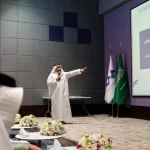
The Al-Madinah Al-Munawarah Chamber hosted the third panel discussion of its real estate event on November 20, 2026, focusing on Knowledge Economic City as an emerging global destination. The session, held at the Prince Faisal bin Salman Hall at the chamber’s headquarters, featured a presentation by Knowledge Economic City Investment Manager Raafat Wakid, who outlined the major projects being developed and the city’s plans to establish an integrated global destination combining investment, business, and lifestyle opportunities. The event underscores Madinah’s growing role as a hub for economic diversification and investment, aligning with Saudi Arabia’s Vision 2030 objectives.
The panel discussion is part of a broader effort by the Al-Madinah Al-Munawarah Chamber to promote real estate and development projects that enhance the region’s investment environment. By showcasing Knowledge Economic City, the chamber aims to attract both domestic and international investors to Madinah, a city historically known for its religious significance but now emerging as a center for innovation and economic growth. The session highlighted how strategic urban development can create integrated environments that support business, leisure, and community life, further strengthening Madinah’s position on the global stage.
Context and Background
Why has Madinah become a focal point for Saudi Arabia’s economic diversification efforts? Madinah, home to some of Islam’s most sacred sites, has traditionally been a destination for religious tourism. However, under Vision 2030, the Kingdom is transforming the city into a multifaceted economic hub. Knowledge Economic City, launched in 2006 as one of the Kingdom’s four economic cities, is a cornerstone of this transformation. Spanning approximately 4.8 million square meters, it is designed to foster knowledge-based industries, including education, healthcare, tourism, and technology.
The Al-Madinah Al-Munawarah Chamber’s real estate event, now in its third panel, reflects the growing interest in Madinah’s development potential. The chamber plays a vital role in facilitating dialogue between the public and private sectors, ensuring that projects like Knowledge Economic City align with both local needs and national goals. By bringing together investors, developers, and government representatives, the chamber helps create a cohesive strategy for sustainable growth. This collaborative approach is essential for attracting the investment required to bring ambitious projects to fruition.
Knowledge Economic City is not just about real estate; it is about building a community. The city’s master plan includes residential neighborhoods, commercial districts, educational institutions, and healthcare facilities. It also features cultural and recreational amenities, such as museums and parks, designed to enhance quality of life. The integration of these elements aims to create a self-sustaining environment where people can live, work, and thrive. As Raafat Wakid emphasized, the goal is to establish a global destination that appeals to a wide range of investors and entrepreneurs.
Key Details
What specific projects are driving Knowledge Economic City’s emergence as a global destination? During the session, Raafat Wakid detailed several major developments. These include the Knowledge Economic City Industrial Valley, a hub for light manufacturing and logistics; the Knowledge Economic City Business Park, which offers office spaces and services for companies; and the Knowledge Economic City Residential Communities, featuring modern housing and amenities. Additionally, the city is developing a cultural district that will include museums, galleries, and performance venues, celebrating Madinah’s rich heritage while embracing contemporary culture.
The city’s investment strategy focuses on creating an enabling environment for businesses. This involves streamlining regulations, providing incentives, and developing infrastructure such as roads, utilities, and digital connectivity. The Knowledge Economic City Investment Manager highlighted that the city has already attracted significant interest from both local and international investors. Sectors such as healthcare, education, technology, and tourism are seen as particularly promising. The city’s proximity to the Prince Mohammad bin Abdulaziz International Airport and the Haramain High Speed Railway further enhances its connectivity, making it an attractive base for regional headquarters and startups alike.
Moreover, Knowledge Economic City is leveraging Madinah’s unique position as a destination for millions of pilgrims annually. By offering hospitality, retail, and healthcare services tailored to visitors, the city can tap into a steady stream of potential customers. This synergy between religious tourism and economic development is a key differentiator. The city also plans to host conferences, exhibitions, and cultural events, positioning itself as a meeting point for thought leaders and innovators. These initiatives are expected to generate jobs, stimulate local businesses, and contribute to the national economy.
International and Regional Impact
How will Knowledge Economic City influence the broader region and international perceptions of Saudi Arabia? The development of Knowledge Economic City is part of a larger trend in Saudi Arabia to create economic zones that attract foreign direct investment. By offering a business-friendly environment, the city aims to draw companies from across the Middle East, Asia, Europe, and beyond. This influx of international businesses can foster knowledge transfer, innovation, and cultural exchange. It also positions Madinah as a global city, not just a religious destination.
Regionally, Knowledge Economic City complements other giga-projects such as NEOM, the Red Sea Project, and Qiddiya. While these projects are located in different parts of the Kingdom, they collectively showcase Saudi Arabia’s commitment to economic diversification. For Madinah, the economic city can serve as a catalyst for regional development, creating opportunities for neighboring areas. It can also strengthen ties with other Gulf Cooperation Council (GCC) countries by facilitating trade and investment flows. International observers view these developments as evidence of Saudi Arabia’s openness to business and its determination to reduce oil dependence.
The city’s focus on knowledge industries aligns with global trends toward digitalization and innovation. By investing in education and technology, Knowledge Economic City can cultivate a skilled workforce that meets the demands of the 21st-century economy. This, in turn, can attract high-value industries and create a virtuous cycle of growth. Furthermore, the city’s cultural offerings can promote intercultural dialogue, enhancing Saudi Arabia’s soft power. As the world becomes more interconnected, Knowledge Economic City is poised to become a bridge between Saudi Arabia and the global community.
Economic and Strategic Significance
What economic benefits can Saudi Arabia expect from Knowledge Economic City? The project is projected to contribute significantly to the Kingdom’s non-oil GDP. By diversifying economic activities, it reduces reliance on hydrocarbons, a core goal of Vision 2030. The city is expected to create thousands of jobs in sectors such as construction, hospitality, healthcare, education, and technology. These jobs will not only employ Saudis but also attract expatriate talent, fostering a dynamic labor market. The increased economic activity will also generate tax revenues and stimulate ancillary industries, from logistics to retail.
Strategically, Knowledge Economic City enhances Madinah’s role as a regional hub. It supports the Kingdom’s efforts to decentralize economic growth beyond major cities like Riyadh and Jeddah. By developing Madinah’s economic potential, the government aims to balance regional development and improve the quality of life for residents. The city also serves as a model for sustainable urban planning, incorporating green spaces, energy-efficient buildings, and smart technologies. These features align with global sustainability goals and can attract environmentally conscious investors.
Additionally, the city’s integration with the Haramain High Speed Railway and the airport facilitates the movement of people and goods, boosting trade and tourism. The strategic location of Madinah, with its historical and religious significance, provides a unique advantage that few other cities can match. As the city grows, it can become a center for Islamic finance, halal industries, and cultural tourism. These niche areas can further differentiate Saudi Arabia in the global economy and create new avenues for growth.
Vision 2030 Alignment
How does Knowledge Economic City embody the aspirations of Vision 2030? Vision 2030 seeks to transform Saudi Arabia into a diversified, innovative, and globally engaged economy. Knowledge Economic City is a tangible manifestation of this vision, focusing on knowledge-based industries, sustainable development, and improved quality of life. It reflects the Vision’s pillars of a vibrant society, a thriving economy, and an ambitious nation. By creating an integrated destination, the city contributes to all three pillars simultaneously.
Furthermore, the project supports the National Transformation Program and other initiatives aimed at economic diversification. It aligns with the goal of increasing the private sector’s contribution to GDP and attracting foreign investment. The emphasis on education and technology also supports the development of human capital, a key priority. As Knowledge Economic City progresses, it will serve as a testament to Saudi Arabia’s ability to execute large-scale projects and realize its ambitious plans. The Al-Madinah Al-Munawarah Chamber’s panel discussion is a clear indication that stakeholders are committed to making this vision a reality, ensuring that Madinah remains a beacon of progress and prosperity for generations to come.
20 Questions
Q1. What is Knowledge Economic City?
A1. Knowledge Economic City is a major urban development project in Madinah, Saudi Arabia, launched in 2006. It aims to create a knowledge-based economy by integrating residential, commercial, educational, and cultural facilities, and is a key initiative under Saudi Vision 2030.
Q2. Where is Knowledge Economic City located?
A2. It is located in Al-Madinah Al-Munawarah, near the Prince Mohammad bin Abdulaziz International Airport and the Haramain High Speed Railway, providing excellent connectivity to other regions and facilitating easy access for visitors and investors.
Q3. Who organized the panel discussion about Knowledge Economic City?
A3. The Al-Madinah Al-Munawarah Chamber organized the third panel discussion as part of its real estate event. The session took place at the Prince Faisal bin Salman Hall at the chamber’s headquarters.
Q4. Who represented Knowledge Economic City at the event?
A4. Mr. Raafat Wakid, the Investment Manager of Knowledge Economic City, participated in the session. He presented the city’s major projects and investment strategies, highlighting its potential as a global destination.
Q5. What are the main goals of Knowledge Economic City?
A5. The main goals include diversifying economic activity, enhancing the investment environment, attracting investment across various sectors, and creating an integrated global destination that combines investment, business, and lifestyle opportunities.
Q6. What types of projects are being developed in Knowledge Economic City?
A6. Projects include an Industrial Valley for light manufacturing, a Business Park for offices, residential communities, and a cultural district with museums and performance venues. These developments aim to create a self-sustaining environment.
Q7. How does Knowledge Economic City support Vision 2030?
A7. It supports Vision 2030 by promoting economic diversification, attracting foreign investment, creating jobs, and fostering knowledge-based industries. It aligns with the pillars of a vibrant society, thriving economy, and ambitious nation.
Q8. What economic sectors does Knowledge Economic City target?
A8. The city targets sectors such as education, healthcare, technology, tourism, logistics, and light manufacturing. These sectors are seen as key drivers of sustainable growth and innovation in the region.
Q9. How will Knowledge Economic City attract international investors?
A9. By offering a business-friendly environment with streamlined regulations, incentives, and modern infrastructure. Its strategic location, connectivity, and focus on high-growth sectors make it an attractive destination for global investors.
Q10. What role does the Al-Madinah Al-Munawarah Chamber play?
A10. The chamber facilitates dialogue between public and private sectors, promotes investment opportunities, and organizes events like this panel discussion to showcase projects and encourage collaboration for regional development.
Q11. How does Knowledge Economic City benefit Madinah?
A11. It boosts the local economy by creating jobs, attracting businesses, and enhancing infrastructure. It also strengthens Madinah’s position as a hub for investment and development, improving quality of life for residents.
Q12. What is the significance of the Haramain High Speed Railway for the city?
A12. The railway connects Madinah to Jeddah and Makkah, facilitating the movement of pilgrims, tourists, and business travelers. This enhances accessibility and supports the city’s tourism and commercial activities.
Q13. What cultural amenities will Knowledge Economic City offer?
A13. The city plans to include a cultural district with museums, galleries, and performance venues. These amenities will celebrate Madinah’s heritage and provide entertainment and educational opportunities for residents and visitors.
Q14. How does Knowledge Economic City contribute to job creation?
A14. The city is expected to generate thousands of jobs in construction, hospitality, healthcare, education, and technology. These opportunities will employ both Saudi nationals and expatriates, stimulating the local economy.
Q15. What sustainability features are incorporated into the city’s design?
A15. The city incorporates green spaces, energy-efficient buildings, and smart technologies. These features align with global sustainability goals and aim to create an environmentally friendly urban environment.
Q16. How does Knowledge Economic City enhance Saudi Arabia’s global standing?
A16. By attracting international businesses and showcasing Saudi Arabia’s ability to develop world-class projects, it enhances the Kingdom’s reputation as a business-friendly and innovative nation, fostering global partnerships.
Q17. What investment opportunities are available in Knowledge Economic City?
A17. Opportunities span real estate, healthcare, education, technology, tourism, and logistics. Investors can participate in developing commercial, residential, and industrial projects, benefiting from incentives and support.
Q18. How does the city integrate with Madinah’s religious tourism?
A18. It offers hospitality, retail, and healthcare services tailored to pilgrims, leveraging the steady flow of visitors. This integration creates synergies between religious tourism and economic development.
Q19. What are the future plans for Knowledge Economic City?
A19. Future plans include expanding residential and commercial areas, attracting more international investors, and developing knowledge-based industries. The city aims to become a fully integrated global destination.
Q20. How can interested parties learn more about investing in Knowledge Economic City?
A20. Interested parties can contact the Al-Madinah Al-Munawarah Chamber or Knowledge Economic City’s investment office. Official announcements and updates are available through Saudi Press Agency and government channels.
Reader Feedback
We value your thoughts. Please share your feedback on this article.
Your feedback helps us improve our coverage.
Related articles
 LCGPA Sets 40% Local Content Rule for Road Projects
 ZATCA to Apply Domestic Minimum Top-Up Tax on MNEs from 2027
 TAQEEM Concludes Participation in IVSC AGM & Conference 2026
 Wadi Makkah Hosts Event to Boost Entrepreneurship
 ICIEC Earns ‘AA-‘ Foreign Currency Rating from S&P
 63 Projects Open for Feedback via Istitlaa Platform