


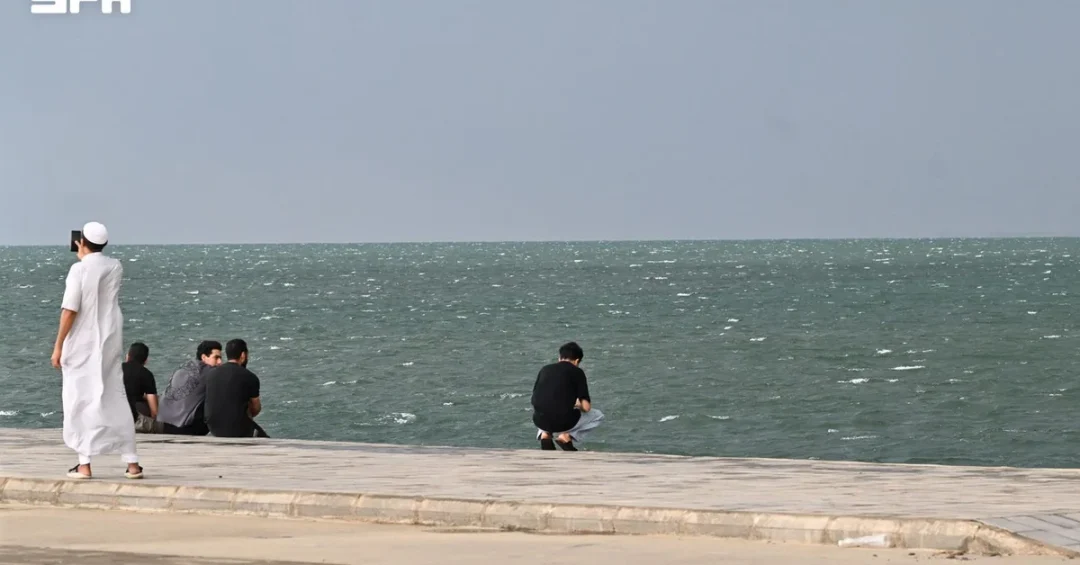
Jazan Region has officially opened its autumn break season by welcoming visitors to its Red Sea waterfronts and expansive green spaces, with the Jizan waterfront alone spanning approximately one million square meters of landscaped leisure facilities, according to the Saudi Press Agency. The announcement, released via official Saudi channels, highlights a coordinated effort to position the Kingdom’s southern coastal region as a premier domestic tourism destination during the school holiday period. The waterfront combines open spaces, pedestrian walkways, sports courts, children’s play areas, and public plazas, offering a comprehensive outdoor experience for families, photography enthusiasts, and anyone seeking peaceful time by the sea.
Why does this matter for a region better known for its agricultural output and strategic Red Sea location than for leisure tourism? The answer lies in Saudi Arabia’s broader economic transformation under Vision 2030, which seeks to diversify revenue streams, boost domestic tourism, and enhance quality of life for citizens and residents alike. Jazan’s autumn break programming represents a tangible, community-level manifestation of those national objectives, transforming natural assets into accessible public amenities that serve both local residents and visitors from across the Kingdom. As the autumn break begins, the region is leveraging its unique geography—where the Asir mountains meet the Red Sea—to create a distinctive leisure offering that complements Saudi Arabia’s established tourism hubs.
Context and Background
What has driven Jazan’s emergence as a leisure destination in recent years? The region, located in the southwest of Saudi Arabia, has historically been recognized for its fertile agricultural lands, coffee production, and proximity to the Red Sea trade routes. However, under the broader framework of Saudi Vision 2030, regional development strategies have increasingly focused on unlocking tourism potential. The Jizan waterfront project forms part of a nationwide effort to create accessible, high-quality public spaces that encourage outdoor activity, family recreation, and community cohesion. Official Saudi sources indicate that the approximately one million square meter waterfront was designed to serve multiple demographic groups simultaneously, from children and athletes to elderly visitors and photographers seeking scenic Red Sea views.
The timing of the autumn break—a period when schools across Saudi Arabia pause for mid-term holidays—provides a strategic opportunity to showcase these facilities. The Saudi Press Agency reported that the region is welcoming visitors with a diverse range of leisure and recreational opportunities, most notably its Red Sea waterfronts and lush green spaces. This aligns with the Ministry of Tourism’s objectives to increase domestic tourism expenditure and encourage citizens to explore the Kingdom’s diverse regions. Jazan’s waterfront, with its seaside promenade offering expansive space for walking and jogging, seating areas, and direct Red Sea views, represents a model for how regional infrastructure can be repurposed to meet contemporary leisure demands.
How does Jazan’s offering compare to other Saudi tourism destinations? While NEOM, the Red Sea Project, and AlUla have garnered international attention for luxury and heritage tourism, Jazan’s waterfront takes a different approach—emphasizing accessibility, public utility, and family-friendly amenities. This complements rather than competes with the Kingdom’s flagship giga-projects, ensuring that tourism development benefits communities across all regions. The facilities are free to access and designed for everyday use, reflecting a philosophy that quality of life improvements should be broadly distributed. For international observers, this signals that Saudi Arabia’s tourism strategy is not solely focused on high-end international visitors but also on serving domestic populations and regional economies.
Key Details of the Waterfront Development
What exactly does the Jizan waterfront offer to visitors this autumn? According to official Saudi information, the waterfront spans approximately one million square meters and features a carefully planned mix of amenities. Open spaces and landscaped greenery provide natural settings for relaxation and picnics. Pedestrian walkways and a seaside promenade offer expansive space for walking and jogging, while sports courts cater to active recreation. Children’s play areas are integrated into the design, ensuring that families with young children can enjoy the facilities safely. Public plazas serve as gathering points for community events and informal social interaction. Seating areas and rest spots are positioned to provide direct views of the Red Sea, making the waterfront a popular destination for photography enthusiasts and anyone looking to enjoy a peaceful time outdoors.
The diversity of facilities reflects intentional planning to accommodate multiple uses throughout the day. Morning hours may see joggers and fitness enthusiasts utilizing the promenade; midday might draw families to the play areas and shaded seating; evenings could feature community gatherings in the plazas. This multi-use design maximizes the utility of the public investment and encourages repeat visits. The waterfront’s scale—one million square meters—positions it as one of the larger public leisure spaces in the region, capable of absorbing significant visitor numbers without overcrowding. For a region with a growing population and increasing domestic tourism, such capacity is essential.
How does the waterfront connect to Jazan’s broader identity? The Red Sea setting is central to the experience. Jazan’s coastline is known for its relative tranquility compared to more developed Red Sea destinations, offering a more relaxed atmosphere. The waterfront leverages this by creating spaces that frame sea views and encourage appreciation of the natural environment. Photography enthusiasts, in particular, are drawn to the combination of landscaped greenery, sea vistas, and public art or architectural elements that may be present. This synergy between natural beauty and thoughtful design creates a distinctive sense of place that differentiates Jazan from other Saudi coastal areas.
International and Regional Impact
How does Jazan’s leisure development resonate beyond Saudi borders? For international audiences, particularly those in the broader Middle East and beyond, Jazan’s waterfront represents a visible example of Saudi Arabia’s commitment to improving public amenities and quality of life. The Kingdom’s tourism transformation is often associated with mega-projects, but initiatives like the Jizan waterfront demonstrate that the benefits are being distributed across regions and demographics. This can enhance Saudi Arabia’s soft power by showcasing tangible improvements in daily life and recreation. Regional neighbors may view Jazan’s approach as a model for developing accessible coastal leisure infrastructure that serves both residents and tourists.
Could Jazan become a gateway for Red Sea tourism? Its location near the southern end of the Red Sea, with proximity to Yemen and the Horn of Africa, positions it as a potential entry point for regional visitors. While current international tourism to Jazan remains modest compared to Jeddah or NEOM, the waterfront’s quality and the region’s natural attractions—including the Farasan Islands and the Asir mountains—create a foundation for future growth. The autumn break programming serves as a pilot for how Jazan can manage seasonal visitor influxes and present itself as a family-friendly destination. As Saudi Arabia continues to expand its tourism visa regime and international flight connectivity, Jazan could gradually attract more visitors from neighboring countries and beyond, contributing to the Kingdom’s goal of welcoming 100 million visitors annually by 2030.
Economic and Strategic Significance
What economic value does a public waterfront generate? Beyond direct tourism spending on hospitality, food, and retail, the Jizan waterfront supports local businesses and creates employment opportunities in maintenance, security, and event management. It also enhances property values in surrounding areas and can stimulate private investment in complementary services such as cafes, equipment rentals, and family entertainment. For a region with a strong agricultural base, the waterfront diversifies the local economy and reduces reliance on traditional sectors. The Saudi Press Agency’s coverage of the autumn break activities underscores the government’s interest in promoting domestic tourism as an economic driver, particularly during holiday periods when spending typically increases.
Strategically, Jazan’s development aligns with national objectives to balance regional growth. Saudi Vision 2030 emphasizes that all regions should benefit from economic diversification, not just major urban centers. By investing in leisure infrastructure in Jazan, the government signals its commitment to equitable development and improved living standards across the Kingdom. This can help retain local talent, attract visitors, and foster a sense of pride and community ownership. The waterfront also serves as a social asset, providing safe, family-oriented spaces that align with Saudi cultural values while embracing modern recreational trends. For international investors, Jazan’s improving amenities may enhance the region’s attractiveness for sectors such as logistics, agri-business, and tourism-related services.
Vision 2030 Alignment
How does the Jizan waterfront contribute to Saudi Vision 2030? The Vision’s Quality of Life program aims to enhance the living standards of citizens and residents by creating vibrant, healthy communities and expanding cultural and recreational opportunities. The Jizan waterfront directly supports these goals by providing accessible green spaces, sports facilities, and family recreation areas. It also advances the Vision’s tourism objectives by developing domestic destinations that reduce the need for citizens to travel abroad for leisure and attract international visitors. The autumn break activation demonstrates how regional assets can be programmed to generate economic activity and social benefits simultaneously.
As Saudi Arabia continues its transformation, initiatives like the Jizan waterfront will serve as tangible evidence of progress. They show that Vision 2030 is not only about giga-projects but also about everyday improvements that touch people’s lives. The Kingdom’s leadership has consistently emphasized that development should be inclusive and sustainable, and Jazan’s waterfront exemplifies that principle. Looking ahead, continued investment in regional leisure infrastructure will be essential to meeting the Vision’s targets for tourism, quality of life, and economic diversification. Jazan’s autumn break success could inspire similar activations in other regions, creating a nationwide network of attractive, accessible destinations that celebrate Saudi Arabia’s natural and cultural heritage.
20 Questions
Q1. What is the main attraction in Jazan during the autumn break?
A1. The main attraction is the Jizan waterfront, a roughly one million square meter leisure destination featuring Red Sea views, landscaped greenery, pedestrian walkways, sports courts, and children’s play areas.
Q2. How large is the Jizan waterfront?
A2. According to official Saudi sources, the waterfront spans approximately one million square meters, making it one of the larger public leisure spaces in the Jazan Region.
Q3. What facilities are available at the Jizan waterfront?
A3. Facilities include open spaces, landscaped greenery, pedestrian walkways, a seaside promenade, sports courts, children’s play areas, public plazas, and seating areas with direct Red Sea views.
Q4. Who is the waterfront designed for?
A4. It is designed for families, photography enthusiasts, joggers, sports participants, and anyone seeking peaceful outdoor recreation by the Red Sea.
Q5. Why is the autumn break significant for Jazan?
A5. The autumn break is a school holiday period that brings increased domestic tourism, providing an opportunity for Jazan to showcase its leisure facilities and attract visitors from across Saudi Arabia.
Q6. How does the Jizan waterfront support Saudi Vision 2030?
A6. It supports Vision 2030 by enhancing quality of life, promoting domestic tourism, creating accessible public spaces, and contributing to economic diversification in the Jazan Region.
Q7. What is the source of information about the waterfront?
A7. The information comes from the Saudi Press Agency (SPA), an official Saudi news authority, which reported on the autumn break activities in Jazan.
Q8. Is the Jizan waterfront free to access?
A8. Official sources describe it as a public destination with open spaces and plazas, implying free access for all visitors, though specific amenities may have separate arrangements.
Q9. What makes the Jizan waterfront unique compared to other Saudi destinations?
A9. Its combination of a large scale, direct Red Sea views, and diverse free facilities offers an accessible, family-oriented experience distinct from luxury-focused projects like NEOM or the Red Sea Project.
Q10. How does the waterfront benefit the local economy?
A10. It supports local businesses, creates employment in maintenance and services, stimulates private investment in nearby retail and hospitality, and increases domestic tourism spending during holidays.
Q11. What role does the Red Sea play in Jazan’s tourism?
A11. The Red Sea provides scenic views, a tranquil atmosphere, and opportunities for photography and relaxation, forming the core natural asset around which the waterfront is designed.
Q12. Are there sports facilities at the waterfront?
A12. Yes, the waterfront includes sports courts and a seaside promenade suitable for jogging and walking, catering to active recreation and fitness enthusiasts.
Q13. How does Jazan’s development align with regional balance goals?
A13. It reflects Vision 2030’s aim to distribute economic benefits across all regions, ensuring that areas beyond major cities also receive investment in quality-of-life infrastructure.
Q14. What other attractions exist in Jazan for visitors?
A14. Jazan offers the Farasan Islands, Asir mountains, agricultural heritage, and cultural sites, which complement the waterfront and enrich the overall visitor experience.
Q15. How can international visitors access Jazan?
A15. International visitors can access Jazan via Jazan Airport, which receives domestic flights and limited regional connections, with ongoing efforts to expand tourism infrastructure.
Q16. What is the significance of the waterfront’s size?
A16. The one million square meter size allows for multiple simultaneous activities without overcrowding, accommodating large numbers of visitors during peak holiday periods like the autumn break.
Q17. Does the waterfront include areas for children?
A17. Yes, dedicated children’s play areas are integrated into the design, ensuring safe and enjoyable spaces for families with young children.
Q18. How does the waterfront promote community cohesion?
A18. By providing shared public spaces for recreation, social gatherings, and events, the waterfront fosters interaction among diverse groups and strengthens community bonds.
Q19. What are the future plans for Jazan’s tourism development?
A19. Future plans likely include continued infrastructure improvements, enhanced visitor services, and integration with national tourism strategies to attract more domestic and international visitors.
Q20. How does the autumn break activation reflect Saudi leadership’s priorities?
A20. It demonstrates the leadership’s commitment to quality of life, domestic tourism, and regional development, aligning with Vision 2030’s goals for a vibrant society and diversified economy.
Reader Feedback
We value your thoughts. Please share your feedback on this article.
Your feedback helps us improve our coverage.
Related articles
 Yanbu Welcomes Autumn Holiday Visitors with Cultural Events
 Alhisn Maze Opens at Riyadh Season with Thrilling Challenges
 Hail Tourism Booms as School Break and Wasm Hail Launch
 Wasm Hail Festival Draws Crowds with Heritage and Stargazing
 Winter at Darb Zubaida Offers Stargazing, Astronomy Workshops
 King Abdulaziz Palace in Laynah Opens for Heritage Experience