


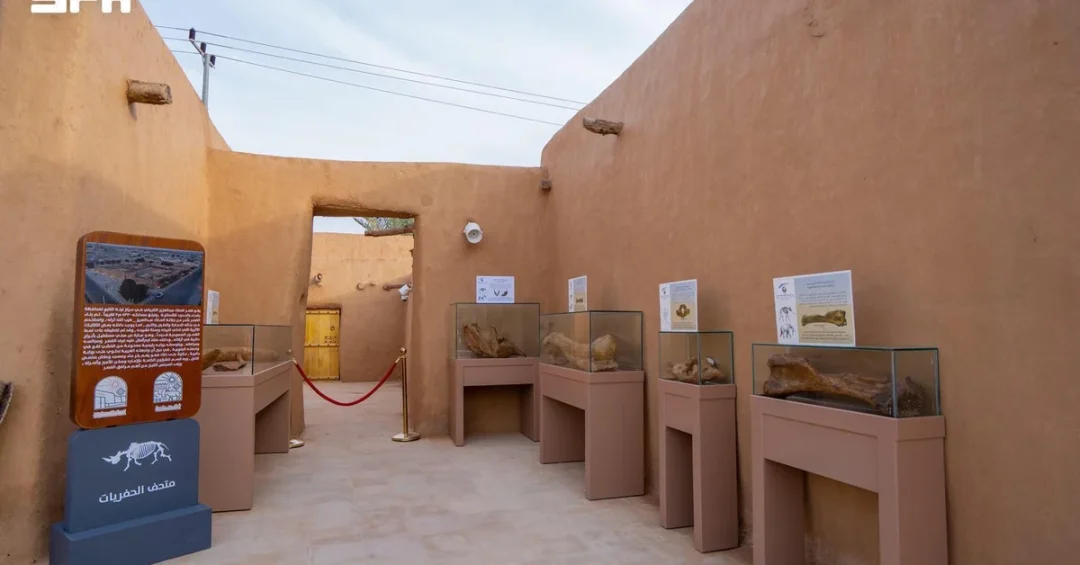
The King Abdulaziz Palace in the historic town of Laynah, located in Saudi Arabia’s Northern Borders Region, opened its doors to visitors on Thursday for a 10-day heritage experience that revisits pivotal moments in the history of the Kingdom and the region. The opening is part of the Darb Zubaida Winter season, organized by the Imam Turki bin Abdullah Royal Nature Reserve Development Authority under the theme “Come Visit Us.” The initiative offers visitors guided tours, a museum with rare photographs and artifacts documenting the nation’s founding, and heritage activities showcasing local traditions.
Have you ever wondered how Saudi Arabia’s rich history is being preserved and shared with the world? This event provides a unique window into the past, allowing visitors to connect with the nation’s collective memory. The King Abdulaziz Palace, a historical landmark in Laynah, serves as a testament to the Kingdom’s enduring heritage and its commitment to celebrating its roots. The 10-day experience is designed to enrich tourism and heritage offerings in the Northern Borders Region, highlighting the area’s historical and cultural significance. It also reflects the broader efforts under Saudi Vision 2030 to promote cultural tourism and showcase the Kingdom’s diverse heritage to both domestic and international audiences. Through such initiatives, Saudi Arabia continues to bridge its storied past with its ambitious future, inviting the world to discover its treasures.
Context and Background
What makes the King Abdulaziz Palace in Laynah a significant cultural treasure? The palace is named after the founder of modern Saudi Arabia, King Abdulaziz Al Saud, and stands as a symbol of the nation’s unification and development. Laynah, a town steeped in history, has long been a crossroads for trade and pilgrimage routes, including the historic Darb Zubaida, which connected Iraq to the holy cities of Mecca and Medina. The Imam Turki bin Abdullah Royal Nature Reserve Development Authority, responsible for managing the reserve and organizing the Darb Zubaida Winter season, aims to protect and promote the natural and cultural heritage of the region. This season, under the theme “Come Visit Us,” seeks to attract visitors to explore the Northern Borders Region’s unique blend of history, nature, and tradition. The opening of the palace is a key highlight of this season, offering an immersive journey into the past.
The Darb Zubaida Winter season is part of a larger strategy to develop tourism in the Northern Borders Region, an area rich in archaeological sites and natural beauty. The Imam Turki bin Abdullah Royal Nature Reserve, one of Saudi Arabia’s largest protected areas, is dedicated to conserving wildlife and promoting eco-tourism. By integrating heritage sites like the King Abdulaziz Palace into the seasonal program, the Authority creates a multifaceted experience that appeals to history enthusiasts, nature lovers, and cultural explorers alike. This approach aligns with the Kingdom’s Vision 2030, which aims to diversify the economy and increase tourism’s contribution to GDP. The palace’s opening thus represents more than a temporary exhibit; it is a step toward establishing the Northern Borders as a must-visit destination on Saudi Arabia’s tourism map.
Key Details
The 10-day heritage experience at the King Abdulaziz Palace offers a variety of activities for visitors. Guided tours will lead guests through the palace’s historic halls, recounting stories of the region’s past and the palace’s role in Saudi history. A museum within the palace displays rare photographs and artifacts that document the nation’s founding, providing a tangible connection to the era of King Abdulaziz. Heritage activities include traditional crafts, music, and cuisine, allowing visitors to immerse themselves in local culture. The experience is designed to be educational and engaging, catering to families, school groups, and tourists. The palace itself has been restored to reflect its original grandeur, with careful attention to architectural details that showcase traditional Najdi and Northern Borders styles.
What can visitors expect to learn from the artifacts and exhibits? The museum’s collection includes items such as historical documents, traditional weapons, and everyday objects used by the people of the region. These artifacts shed light on the daily life, trade, and social customs of the past. Photographs capture key moments in the nation’s history, including the unification of Saudi Arabia under King Abdulaziz. The guided tours are conducted by knowledgeable local guides who share anecdotes and insights that bring the history to life. For those interested in intangible heritage, the activities offer hands-on experiences like weaving, pottery, and preparing traditional dishes. This comprehensive approach ensures that visitors leave with a deeper appreciation of the region’s cultural legacy and its place in the broader Saudi narrative.
International and Regional Impact
How does the opening of the King Abdulaziz Palace contribute to Saudi Arabia’s global cultural diplomacy? By showcasing its heritage, the Kingdom positions itself as a destination that values its history while embracing modernity. International visitors, including expatriates and tourists from neighboring countries, are invited to explore this heritage experience, which fosters cross-cultural understanding and appreciation. The event also highlights the Northern Borders Region’s potential as a gateway to Jordan and Iraq, encouraging regional tourism and cooperation. The Darb Zubaida Winter season, with its focus on the historic pilgrimage route, resonates with Muslim travelers worldwide, as Darb Zubaida was once a vital artery for Hajj and Umrah pilgrims. By reviving this heritage, Saudi Arabia reinforces its role as the custodian of Islamic history and a hub for cultural exchange.
Regionally, the initiative strengthens ties with neighboring countries by promoting shared history. The Darb Zubaida route, which traverses Saudi Arabia, Iraq, and Jordan, is a testament to the interconnectedness of the region. The palace’s opening and the winter season activities attract visitors from across the Gulf and beyond, boosting local economies and fostering goodwill. Furthermore, the event aligns with the Kingdom’s efforts to diversify its tourism offerings beyond the major cities, distributing economic benefits to less-visited areas. This inclusive approach to tourism development is a cornerstone of Vision 2030, ensuring that all regions of Saudi Arabia share in the nation’s progress.
Economic and Strategic Significance
What economic benefits can the Northern Borders Region expect from increased tourism? The 10-day heritage experience is expected to draw visitors to Laynah and surrounding areas, stimulating local businesses such as hotels, restaurants, and handicraft shops. The influx of tourists creates temporary jobs and supports small enterprises, contributing to the region’s economic vitality. In the long term, the development of heritage tourism can lead to sustained investment in infrastructure, including roads, accommodations, and visitor facilities. The Imam Turki bin Abdullah Royal Nature Reserve Development Authority’s efforts to promote the Darb Zubaida Winter season are part of a strategic plan to make tourism a key economic driver, in line with Vision 2030’s goal of increasing the sector’s contribution to GDP from 3% to 10% by 2030.
Strategically, the palace’s opening enhances Saudi Arabia’s soft power by sharing its rich history and traditions with the world. It also complements other mega-projects like NEOM and the Red Sea Project, which are transforming the Kingdom’s tourism landscape. By investing in heritage sites, Saudi Arabia preserves its identity while attracting visitors seeking authentic experiences. The Northern Borders Region, with its proximity to international borders, can become a hub for cross-border tourism, further integrating the Kingdom into the regional tourism market. This initiative demonstrates how heritage conservation and economic development can go hand in hand, creating a sustainable model for other regions to follow.
Vision 2030 Alignment
How does the King Abdulaziz Palace experience embody the goals of Saudi Vision 2030? Vision 2030 aims to diversify the economy, preserve cultural heritage, and enhance the quality of life for citizens and residents. The heritage experience directly supports these objectives by promoting cultural tourism, creating economic opportunities, and fostering a sense of pride in national history. The Imam Turki bin Abdullah Royal Nature Reserve Development Authority’s work aligns with the vision’s environmental and cultural pillars, ensuring that Saudi Arabia’s natural and historical treasures are protected and celebrated. By opening the palace to visitors, the Kingdom invites the world to witness its journey from the past to a promising future.
As Saudi Arabia continues to implement Vision 2030, initiatives like the Darb Zubaida Winter season and the King Abdulaziz Palace experience will play a vital role in showcasing the Kingdom’s transformation. They highlight the nation’s commitment to preserving its heritage while embracing modernity and openness. For international audiences, these events offer a chance to experience Saudi Arabia’s warmth and hospitality firsthand. The 10-day heritage experience is more than a temporary event; it is a testament to the Kingdom’s enduring legacy and its vision for a prosperous, culturally rich future. Visitors are encouraged to seize this opportunity to explore Laynah’s historic palace and become part of Saudi Arabia’s ongoing story.
20 Questions
Q1. What is the King Abdulaziz Palace in Laynah?
A1. The King Abdulaziz Palace is a historic site in Laynah, Northern Borders Region, named after the founder of modern Saudi Arabia. It now serves as a heritage experience venue, offering guided tours, a museum, and cultural activities.
Q2. When did the palace open to visitors?
A2. The palace opened on Thursday for a 10-day heritage experience as part of the Darb Zubaida Winter season, organized by the Imam Turki bin Abdullah Royal Nature Reserve Development Authority.
Q3. What is the Darb Zubaida Winter season?
A3. The Darb Zubaida Winter season is a seasonal tourism initiative under the theme “Come Visit Us,” aimed at promoting heritage and nature tourism in the Northern Borders Region, inspired by the historic Darb Zubaida pilgrimage route.
Q4. Who organized the heritage experience?
A4. The experience is organized by the Imam Turki bin Abdullah Royal Nature Reserve Development Authority, which manages the reserve and promotes cultural and natural heritage in the region.
Q5. What can visitors see at the palace?
A5. Visitors can explore guided tours of the palace, a museum with rare photographs and artifacts documenting Saudi Arabia’s founding, and heritage activities showcasing local traditions.
Q6. How long does the heritage experience last?
A6. The heritage experience runs for 10 days, offering ample time for visitors to engage with the exhibits, tours, and activities.
Q7. Is the experience suitable for international tourists?
A7. Yes, the experience is designed for both domestic and international visitors, providing insights into Saudi history and culture in an accessible and engaging manner.
Q8. What is the historical significance of Laynah?
A8. Laynah is a historic town that was a key stop on the Darb Zubaida pilgrimage route, connecting Iraq to Mecca and Medina, and has long been a crossroads of trade and culture.
Q9. What artifacts are displayed in the museum?
A9. The museum displays rare photographs and artifacts such as historical documents, traditional weapons, and everyday objects that document the nation’s founding and daily life in the region.
Q10. Are guided tours available in multiple languages?
A10. Guided tours are primarily in Arabic, but efforts are made to accommodate international visitors with English-language materials and guides upon request.
Q11. How does this event support Vision 2030?
A11. It supports Vision 2030 by promoting cultural tourism, diversifying the economy, creating jobs, and preserving Saudi heritage, aligning with the goals of enhancing quality of life and economic growth.
Q12. What heritage activities are offered?
A12. Heritage activities include traditional crafts, music, cuisine, and hands-on experiences like weaving and pottery, allowing visitors to immerse themselves in local culture.
Q13. Can families with children visit?
A13. Yes, the experience is family-friendly, with activities and exhibits designed to engage visitors of all ages, including children.
Q14. Is there an entrance fee?
A14. Information on entrance fees is available through the Imam Turki bin Abdullah Royal Nature Reserve Development Authority’s official channels; some activities may be free or require tickets.
Q15. How can I get to Laynah?
A15. Laynah is accessible by car from major cities like Riyadh and Arar, with domestic flights available to nearby airports; detailed travel information can be obtained from tourism authorities.
Q16. What is the significance of the Darb Zubaida route?
A16. Darb Zubaida was a historic pilgrimage route used by Hajj pilgrims from Iraq, named after Zubaida bint Ja’far, and it facilitated trade and cultural exchange for centuries.
Q17. Will the palace remain open after the 10 days?
A17. The current 10-day experience is a special event; future openings may be announced by the Authority as part of ongoing heritage tourism initiatives.
Q18. How does this event promote Saudi culture globally?
A18. By inviting international visitors, the event showcases Saudi Arabia’s rich history and traditions, fostering cross-cultural understanding and enhancing the Kingdom’s global cultural presence.
Q19. Are there other attractions nearby?
A19. Yes, the Northern Borders Region offers natural reserves, archaeological sites, and other heritage landmarks, making it a diverse destination for travelers.
Q20. Where can I find more information?
A20. More information is available on the official website of the Imam Turki bin Abdullah Royal Nature Reserve Development Authority and through Saudi Press Agency announcements.
Reader Feedback
We value your thoughts. Please share your feedback on this article.
Your feedback helps us improve our coverage.
Related articles
 Warm Shores Draw Autumn Break Crowds to Aseer Waterfront
 Al-Baha Municipality Completes Winter Season Preparations
 Al-Wajh Prepares Turquoise Beaches for Autumn Break
 Qassim Parks Ready for Autumn Break Visitors
 AlUla Public Transport Surpasses One Million Passengers
 Makkah Chamber Holds Workshop on Updated Tourism Licensing Regulations