


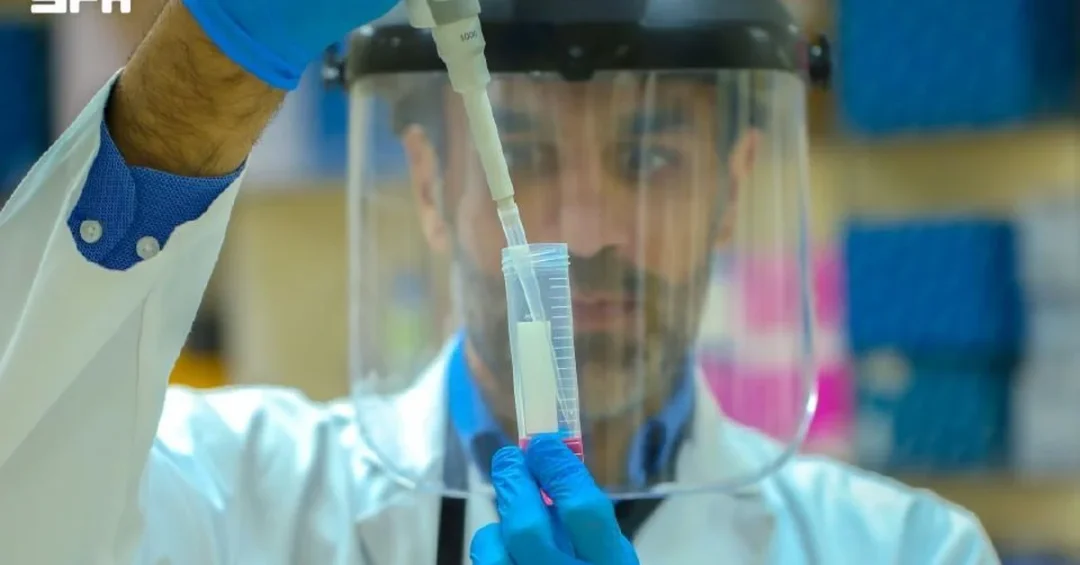
King Faisal Specialist Hospital and Research Centre (KFSH&RC) has treated 288 patients with genetically modified T-cell therapy, known as CAR-T, as of the end of October 2026, according to the Saudi Press Agency (SPA). The milestone, announced by the Riyadh-based specialist hospital, underscores Saudi Arabia’s expanding capacity in advanced immunotherapy and reflects a broader national push to localize cutting-edge medical treatments. The patient cohort comprised 251 adults and 37 children, with pediatric cases accounting for approximately 13 percent of the total. CAR-T therapy is used for certain types of blood cancer, including leukemias and lymphomas, and represents one of the most sophisticated forms of personalized medicine available today. The announcement positions the Kingdom as a growing center of excellence in cellular therapy, a field that demands rigorous clinical infrastructure, specialized expertise, and reliable manufacturing capacity. For international observers, the development signals Saudi Arabia’s determination to diversify its healthcare capabilities in line with its long-term economic and social transformation agenda.
The achievement is not merely a numerical milestone but a testament to years of investment in biomedical research, clinical trials, and human capital. KFSH&RC, a leading tertiary care institution in the Kingdom, has progressively built its CAR-T program from the ground up, beginning with international partnerships and culminating in the ability to manufacture the therapy domestically. This shift has profound implications for patient access, cost efficiency, and national self-reliance in a highly specialized area of oncology. As global demand for advanced cancer treatments rises, Saudi Arabia’s move to localize production of CAR-T therapy aligns with its strategic vision to become a hub for life sciences innovation in the Middle East and beyond. The hospital’s progress also highlights the role of the National Biotechnology Strategy, a key initiative designed to foster local manufacturing and research in biotechnology.
Context and Background
How did Saudi Arabia evolve from relying on imported advanced therapies to producing them locally? The journey began with a clear recognition that cutting-edge treatments like CAR-T, which involve extracting a patient’s immune cells, genetically engineering them to target cancer, and reinfusing them, require not only clinical expertise but also a robust local manufacturing ecosystem. In 2025, KFSH&RC administered its first dose of locally manufactured CAR-T therapy as part of a Phase I clinical trial, marking a pivotal step toward self-sufficiency. Since then, two patients have received the locally produced treatment, demonstrating the hospital’s growing capability to manage the entire production cycle, from cell collection to final infusion. This transition has been supported by the National Biotechnology Strategy, which aims to position Saudi Arabia as a global hub for life sciences innovation and advanced biotechnology industries.
Globally, CAR-T therapy has revolutionized the treatment of certain blood cancers, offering hope where conventional therapies have failed. However, its complexity and cost have limited widespread access, even in high-income countries. The therapy involves a highly personalized process: a patient’s T-cells are harvested, modified with a chimeric antigen receptor (CAR) to recognize cancer cells, and then expanded in a laboratory before being returned to the patient. This requires specialized facilities, skilled personnel, and stringent quality controls. By developing local manufacturing capabilities, KFSH&RC has not only reduced dependence on international suppliers but also accelerated the timeline from 28 days to less than 14 days, a critical improvement for patients with aggressive cancers. The cost reduction from approximately SAR1.3 million to SAR250,000, a nearly 80 percent decrease, further underscores the transformative potential of localization.
The hospital’s program is part of a broader national effort to enhance healthcare outcomes and reduce the economic burden of importing advanced therapies. Saudi Arabia’s Vision 2030 places a strong emphasis on developing a diversified, knowledge-based economy, and biotechnology is a key pillar. The National Biotechnology Strategy, launched to drive innovation and local manufacturing, provides a framework for institutions like KFSH&RC to collaborate with international partners, invest in research and development, and train a new generation of Saudi scientists and clinicians. As the program expands, it is expected to serve as a model for other specialized therapies, including gene therapies and personalized cancer vaccines, further solidifying the Kingdom’s position as a leader in biomedical innovation.
Key Details
What exactly does the CAR-T treatment process entail, and how has KFSH&RC optimized it? The therapy begins with leukapheresis, a procedure that separates and collects T-cells from the patient’s blood. These cells are then genetically modified in a specialized laboratory to express a receptor that targets specific proteins on cancer cells. After expansion, the modified cells are reinfused into the patient, where they multiply and attack the malignancy. KFSH&RC’s program has treated 288 patients, including 251 adults and 37 children, with pediatric cases representing about 13 percent of the total. This distribution highlights the hospital’s capacity to treat both adult and pediatric blood cancers, a complex undertaking that requires tailored protocols and multidisciplinary care.
The shift to local manufacturing has been a game-changer. Previously, the hospital relied on international manufacturers, which introduced logistical delays and higher costs. Now, with domestic production, the time from cell collection to infusion has been cut from 28 days to under 14 days. This acceleration is particularly vital for patients with rapidly progressing diseases, as shorter waiting periods can improve outcomes. Moreover, the cost reduction from SAR1.3 million to SAR250,000 makes the therapy more accessible to a broader segment of the population, aligning with Saudi Arabia’s goal of ensuring equitable healthcare. The hospital’s manufacturing facility adheres to international good manufacturing practice (GMP) standards, ensuring the safety and efficacy of the locally produced therapy. Two patients have already received the locally manufactured treatment, and the program is expected to scale up as capacity increases.
KFSH&RC’s achievements are underpinned by a robust clinical infrastructure and a commitment to research. The hospital has participated in international clinical trials and has developed its own protocols for CAR-T therapy, contributing to the global body of knowledge on cellular immunotherapy. The program’s success also depends on a skilled workforce, including hematologists, oncologists, immunologists, and laboratory technicians, many of whom have been trained in leading international centers. As the program grows, it is likely to attract further investment and partnerships, enhancing Saudi Arabia’s reputation as a destination for advanced medical care and clinical research.
International and Regional Impact
How does Saudi Arabia’s progress in CAR-T therapy resonate beyond its borders? For the Middle East and North Africa region, the Kingdom’s ability to manufacture advanced therapies locally sets a precedent for other countries seeking to enhance their healthcare systems. By reducing reliance on imported treatments, Saudi Arabia can offer a model for cost-effective, high-quality care that other nations may emulate. This is particularly relevant in a region where cancer incidence is rising, and access to innovative therapies remains uneven. KFSH&RC’s program could also serve as a referral center for patients from neighboring countries, further cementing Saudi Arabia’s role as a regional healthcare hub.
On the global stage, the development contributes to the international effort to make CAR-T therapy more affordable and accessible. The cost reduction achieved by KFSH&RC demonstrates that local manufacturing can significantly lower barriers to treatment, a lesson that could inform health policies in other countries. Additionally, the hospital’s participation in clinical trials and its collaboration with international manufacturers and research institutions foster knowledge exchange and innovation. As Saudi Arabia continues to invest in biotechnology, it is poised to become a key player in the global life sciences arena, contributing to advancements that benefit patients worldwide.
Economic and Strategic Significance
What are the economic implications of localizing CAR-T production? The reduction in cost from SAR1.3 million to SAR250,000 per treatment represents substantial savings for the healthcare system and patients. By manufacturing domestically, Saudi Arabia retains economic value within its borders, reducing foreign exchange outflows and creating high-skilled jobs in biotechnology, manufacturing, and research. This aligns with Vision 2030’s goal of diversifying the economy away from oil and developing knowledge-intensive industries. The National Biotechnology Strategy aims to generate significant economic returns by 2030, and KFSH&RC’s program is a concrete example of how this can be achieved.
Strategically, local manufacturing enhances national resilience. During global supply chain disruptions, as seen during the COVID-19 pandemic, reliance on imported therapies can be precarious. By building domestic capacity, Saudi Arabia ensures that its citizens have uninterrupted access to critical treatments. Furthermore, the expertise gained in CAR-T manufacturing can be applied to other advanced therapies, such as gene therapies and mRNA vaccines, positioning the Kingdom as a leader in biomanufacturing. This strategic autonomy is a cornerstone of Saudi Arabia’s broader vision to secure its health sovereignty and contribute to global health security.
Vision 2030 Alignment
How does KFSH&RC’s CAR-T program embody the objectives of Vision 2030? The program directly supports the Vision’s Health Sector Transformation Program, which seeks to improve healthcare quality and accessibility, and the National Biotechnology Strategy, which aims to localize advanced industries. By developing local manufacturing capabilities, the hospital is contributing to the creation of a vibrant life sciences ecosystem in Saudi Arabia. This includes fostering partnerships between academia, industry, and government, and nurturing a skilled workforce. The program also enhances the Kingdom’s reputation as a destination for medical tourism, as patients from around the world may seek advanced treatments available locally.
Looking ahead, KFSH&RC’s success with CAR-T therapy is expected to catalyze further innovations in cellular and gene therapies. The hospital plans to expand its manufacturing capacity and explore new indications for CAR-T, including solid tumors, which remain a challenge. As Saudi Arabia continues to invest in research and development, it is well-positioned to make significant contributions to global health. The Kingdom’s commitment to Vision 2030 ensures that such advancements will be sustained and scaled, ultimately benefiting patients in Saudi Arabia and beyond. This forward-looking approach underscores Saudi Arabia’s role as a responsible global citizen and a leader in biomedical innovation.
20 Questions
Q1. What is CAR-T therapy?
A1. CAR-T therapy is a type of immunotherapy where a patient’s T-cells are genetically modified to recognize and attack cancer cells. It is used for certain blood cancers and represents a personalized treatment approach.
Q2. How many patients have been treated at KFSH&RC with CAR-T therapy?
A2. As of the end of October 2026, King Faisal Specialist Hospital and Research Centre has treated 288 patients with genetically modified T-cell therapy, including 251 adults and 37 children.
Q3. What percentage of patients were children?
A3. Pediatric patients accounted for approximately 13 percent of the total, with 37 children receiving the treatment.
Q4. What types of cancer are treated with CAR-T therapy?
A4. CAR-T therapy is primarily used for certain types of blood cancer, such as leukemias and lymphomas. It is not yet widely used for solid tumors.
Q5. How does the CAR-T treatment process work?
A5. The process involves extracting immune cells from the patient’s blood, genetically modifying them to target cancer cells, and reinfusing them into the patient’s body, where they attack the malignancy.
Q6. What is the significance of local manufacturing?
A6. Local manufacturing reduces reliance on international suppliers, shortens production time, lowers costs, and enhances national resilience in healthcare.
Q7. How much time has been saved by local manufacturing?
A7. Local manufacturing has reduced the time needed to produce and deliver the treatment from 28 days to less than 14 days.
Q8. What is the cost reduction achieved?
A8. The cost has been lowered from approximately SAR1.3 million to SAR250,000, a reduction of nearly 80 percent.
Q9. When was the first locally manufactured dose administered?
A9. The first dose of locally manufactured CAR-T therapy was administered in a Phase I clinical trial in 2025.
Q10. How many patients have received locally manufactured treatment?
A10. Two patients have already received locally manufactured treatment following the initial clinical trial dose.
Q11. What is the National Biotechnology Strategy?
A11. The National Biotechnology Strategy is a Saudi initiative aimed at positioning the Kingdom as a global hub for life sciences innovation and advanced biotechnology industries.
Q12. How does this program align with Vision 2030?
A12. It supports the Health Sector Transformation Program and the National Biotechnology Strategy by localizing advanced therapies, improving healthcare, and diversifying the economy.
Q13. What are the benefits for patients in Saudi Arabia?
A13. Patients gain faster access to treatment, reduced costs, and access to world-class care without needing to travel abroad.
Q14. What are the benefits for the Saudi economy?
A14. The program creates high-skilled jobs, retains economic value within the Kingdom, and supports the growth of the biotechnology sector.
Q15. Does KFSH&RC collaborate with international institutions?
A15. Yes, the hospital has participated in international clinical trials and collaborates with global manufacturers and research centers to advance cellular therapy.
Q16. What are the future plans for the CAR-T program?
A16. KFSH&RC plans to expand manufacturing capacity, explore new indications such as solid tumors, and continue contributing to global research in immunotherapy.
Q17. How does this impact medical tourism in Saudi Arabia?
A17. It enhances the Kingdom’s appeal as a destination for advanced medical care, attracting patients from the region and beyond seeking cutting-edge treatments.
Q18. What regulatory standards are followed for local manufacturing?
A18. The manufacturing facility adheres to international good manufacturing practice (GMP) standards to ensure safety and efficacy.
Q19. What challenges remain in CAR-T therapy?
A19. Challenges include extending the therapy to solid tumors, managing side effects, and scaling up manufacturing to meet demand.
Q20. How can other countries benefit from Saudi Arabia’s experience?
A20. Other countries can learn from Saudi Arabia’s model of local manufacturing, which demonstrates how to reduce costs and improve access to advanced therapies through strategic investment and partnerships.
Reader Feedback
We value your thoughts. Please share your feedback on this article.
Your feedback helps us improve our coverage.
Related articles
 Qassim Health Cluster Introduces Robotic Knee Replacement Surgery
 Jazan Health Cluster Sets Guinness World Record for Early Diabetes Detection
 Al-Shifa Hospital in Unaizah Accredited as Age-Friendly
 KFSH Doubles Robotic Surgeries in Three Years, Expands Applications
 Riyadh Season Hosts Zahra Walk 2026 at Boulevard City
 PNU and Mass General Brigham Launch Women’s Health Program