



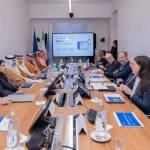
Princess Nourah bint Abdulrahman University (PNU) and Mass General Brigham have officially launched a Women’s Health Program in Boston, marking a significant milestone in Saudi Arabia’s efforts to advance women’s health research and innovation on a global scale. The announcement, made on November 21, 2026, was attended by Minister of Education Yousef Al-Benyan, Saudi Ambassador to the United States Princess Reema bint Bandar bin Sultan, and senior officials from both institutions. The program stems from a memorandum of understanding signed in January 2026 and aims to build a specialized research and innovation ecosystem focused on women’s health.
This initiative underscores the Kingdom’s commitment to fostering international collaborations that serve national priorities, particularly in healthcare and education. By partnering with Mass General Brigham, a world-renowned healthcare system affiliated with Harvard Medical School, PNU is positioning itself at the forefront of women’s health research. The program will focus on advancing studies and technologies targeting prevalent diseases among women, improving prevention, early diagnosis, and healthcare quality. It also aims to qualify national talent, empower Saudi female researchers, and establish a specialized research database. This collaboration not only enhances Saudi Arabia’s healthcare capabilities but also reinforces its dedication to empowering women in science and medicine, aligning with the goals of Vision 2030.
Context and Background
How did this groundbreaking partnership come to fruition, and what does it signify for Saudi Arabia’s healthcare landscape? The journey began in January 2026 when PNU and Mass General Brigham signed a memorandum of understanding, laying the groundwork for a strategic alliance. This MoU was a direct outcome of Saudi Arabia’s broader strategy to internationalize its education and healthcare sectors, as outlined in Vision 2030. The Kingdom has been actively seeking partnerships with leading global institutions to accelerate knowledge transfer and capacity building. PNU, one of the largest women’s universities in the world, has been at the vanguard of this effort, consistently forging ties with prestigious organizations to enhance its research output and academic offerings.
Mass General Brigham, headquartered in Boston, is an integrated healthcare system that includes Massachusetts General Hospital, Brigham and Women’s Hospital, and other top-tier medical centers. Its expertise in women’s health is globally recognized, making it an ideal partner for PNU. The collaboration is not just about research; it’s about creating a sustainable ecosystem that fosters innovation and translates scientific discoveries into tangible health solutions. The launch event in Boston served as a platform to highlight the shared vision of both institutions and to outline the program’s objectives, which include addressing health disparities and improving outcomes for women in Saudi Arabia and beyond.
The timing of this launch is particularly significant. As the world continues to grapple with post-pandemic health challenges, the need for robust healthcare infrastructure and research capabilities has never been more acute. Saudi Arabia, under the leadership of Crown Prince Mohammed bin Salman, has been investing heavily in healthcare transformation, with a focus on preventive care and precision medicine. This program aligns seamlessly with those efforts, promising to bring cutting-edge research and best practices to the Kingdom. Moreover, it reflects the growing role of Saudi women in STEM fields, a key pillar of Vision 2030’s social and economic reforms.
Key Details of the Women’s Health Program
What specific areas will the Women’s Health Program target, and how will it operate? According to official statements, the program will concentrate on prevalent diseases among women, such as cardiovascular conditions, cancers, and metabolic disorders. By leveraging Mass General Brigham’s research expertise, the initiative aims to develop new diagnostic tools, therapeutic approaches, and preventive strategies. A cornerstone of the program is the establishment of a specialized research database that will collect and analyze data on women’s health in Saudi Arabia. This database will enable researchers to identify patterns, risk factors, and effective interventions tailored to the Saudi population, which has unique genetic and lifestyle characteristics.
Another critical component is talent development. The program includes provisions for qualifying national talent, with a particular emphasis on empowering Saudi female researchers. Scholarships, fellowships, and exchange programs will allow Saudi scientists to train at Mass General Brigham and collaborate on joint research projects. This hands-on experience is expected to accelerate the transfer of knowledge and build a cadre of Saudi experts who can lead future research endeavors. The initiative also aims to create a pipeline of skilled professionals in women’s health, from clinicians to data scientists, ensuring that the Kingdom has the human capital to sustain and expand the program’s impact.
Furthermore, the program will foster innovation through joint ventures and technology transfer. By working closely with Mass General Brigham’s innovation arm, PNU aims to commercialize research outcomes, spinning off startups and licensing technologies that can benefit patients globally. This entrepreneurial approach is consistent with Vision 2030’s goal of diversifying the economy and promoting knowledge-based industries. The program also plans to host international conferences and symposia, positioning Saudi Arabia as a hub for women’s health research and attracting global talent and investment.
International and Regional Impact
How will this collaboration influence healthcare in the Middle East and beyond? The PNU–Mass General Brigham partnership is poised to have a ripple effect across the region. By setting a precedent for high-impact international collaborations, it encourages other Saudi and Gulf institutions to pursue similar partnerships. This could lead to a network of research centers focused on women’s health, sharing data and best practices to address common challenges. For instance, the program’s findings on genetic predispositions to certain diseases could inform public health policies not only in Saudi Arabia but also in neighboring countries with similar demographic profiles.
On the global stage, the initiative enhances Saudi Arabia’s reputation as a leader in women’s health and a committed partner in advancing the Sustainable Development Goals, particularly Goal 3 on good health and well-being and Goal 5 on gender equality. It also strengthens bilateral ties between Saudi Arabia and the United States, showcasing the potential of academic and medical diplomacy. The presence of Ambassador Princess Reema bint Bandar bin Sultan at the launch underscores the diplomatic significance of the program, which aligns with the Kingdom’s efforts to build bridges through science and education.
Economic and Strategic Significance
What are the economic and strategic benefits of this program for Saudi Arabia? Investing in women’s health is not only a moral imperative but also an economic one. Healthy women contribute more actively to the workforce, driving productivity and economic growth. By reducing the burden of disease, the program can lead to significant cost savings for the healthcare system and improve the overall quality of life. Moreover, the research and innovation components are expected to generate intellectual property, attract venture capital, and create high-skilled jobs, contributing to the diversification of the Saudi economy away from oil dependence.
Strategically, the program reinforces Saudi Arabia’s position as a regional leader in healthcare and education. It demonstrates the Kingdom’s ability to forge partnerships with top-tier international institutions, which can serve as a model for other sectors. The focus on women’s health also aligns with the social reforms under Vision 2030, which aim to increase women’s participation in all spheres of life. By empowering female researchers and addressing health issues that disproportionately affect women, the program contributes to a more inclusive and equitable society. This, in turn, supports the Kingdom’s long-term stability and prosperity.
Vision 2030 Alignment
How does the Women’s Health Program embody the objectives of Vision 2030? At its core, Vision 2030 seeks to transform Saudi Arabia into a diversified, knowledge-based economy with a vibrant society and a healthy population. This program directly supports several of its pillars. First, it enhances the healthcare sector by introducing advanced research and innovation, which is essential for improving the quality and efficiency of health services. Second, it promotes education and talent development, particularly for women, by providing world-class training and research opportunities. Third, it fosters international cooperation, which is vital for accessing global expertise and markets.
Furthermore, the program exemplifies the Vision’s emphasis on women’s empowerment. By enabling Saudi female researchers to lead cutting-edge studies, it challenges traditional barriers and showcases the immense potential of Saudi women. This is a powerful narrative that resonates with the broader societal shift underway in the Kingdom. As the program progresses, it is expected to produce tangible health benefits, scientific breakthroughs, and a new generation of leaders who will carry forward the torch of innovation. Ultimately, the PNU–Mass General Brigham Women’s Health Program is a testament to Saudi Arabia’s unwavering commitment to a brighter, healthier future for all.
20 Questions
Q1. What is the Women’s Health Program launched by PNU and Mass General Brigham?
A1. It is a collaborative initiative to advance research, innovation, and talent development in women’s health, focusing on prevalent diseases and improving healthcare quality for women in Saudi Arabia and globally.
Q2. When and where was the program announced?
A2. The program was announced on November 21, 2026, in Boston, during an event attended by Saudi Minister of Education Yousef Al-Benyan and other officials.
Q3. What is the role of Princess Nourah bint Abdulrahman University in this program?
A3. PNU, as a leading Saudi women’s university, is the primary Saudi partner, providing academic expertise, researchers, and infrastructure to drive the program’s research and training components.
Q4. Why was Mass General Brigham chosen as a partner?
A4. Mass General Brigham is a globally recognized healthcare system with extensive expertise in women’s health research and innovation, making it an ideal partner to help build Saudi Arabia’s capabilities.
Q5. What specific health areas will the program address?
A5. The program will target prevalent diseases among women, including cardiovascular conditions, cancers, and metabolic disorders, with a focus on prevention, early diagnosis, and treatment.
Q6. How will the program empower Saudi female researchers?
A6. It will offer scholarships, fellowships, and exchange opportunities for Saudi women to train at Mass General Brigham and participate in joint research, enhancing their skills and leadership.
Q7. What is the significance of the memorandum of understanding signed in January 2026?
A7. The MoU established the framework for collaboration, outlining the commitments of both institutions and paving the way for the program’s launch and implementation.
Q8. Will the program create a research database?
A8. Yes, a specialized research database will be established to collect and analyze data on women’s health in Saudi Arabia, enabling tailored interventions and evidence-based policies.
Q9. How does this program align with Vision 2030?
A9. It supports Vision 2030 by enhancing healthcare, promoting education and women’s empowerment, fostering international partnerships, and diversifying the economy through innovation.
Q10. What economic benefits are expected from the program?
A10. The program is expected to generate intellectual property, attract investment, create high-skilled jobs, and reduce healthcare costs by improving women’s health and productivity.
Q11. How will the program impact healthcare in Saudi Arabia?
A11. It will introduce advanced research and technologies, improve prevention and diagnosis, and build local capacity, leading to better health outcomes for women across the Kingdom.
Q12. Will the program collaborate with other Saudi institutions?
A12. Yes, it is expected to partner with Saudi hospitals, research centers, and universities to ensure broad impact and integration with the national healthcare system.
Q13. What role does the Saudi Ambassador to the US play in this initiative?
A13. Ambassador Princess Reema bint Bandar bin Sultan supports the program diplomatically, facilitating connections and highlighting the strong Saudi-US partnership in health and education.
Q14. How can Saudi students and researchers get involved?
A14. They can apply for scholarships and fellowships through PNU, which will announce opportunities in collaboration with Mass General Brigham for training and research.
Q15. What is the expected timeline for the program’s outcomes?
A15. While specific timelines vary, initial research projects and training programs are expected to commence in 2027, with tangible outcomes such as publications and innovations emerging within a few years.
Q16. Will the program address mental health issues among women?
A16. Yes, the program’s holistic approach includes mental health, recognizing its importance in overall well-being and integrating it into research and care models.
Q17. How does this program differ from other women’s health initiatives?
A17. It is unique in its binational, institutional partnership model, combining Saudi and US expertise to create a sustainable ecosystem for research, innovation, and talent development.
Q18. What technologies will be developed through the program?
A18. The program aims to develop diagnostic tools, digital health solutions, and precision medicine approaches tailored to women’s health needs, leveraging AI and big data.
Q19. How will the program ensure sustainability beyond the initial phase?
A19. By building local capacity, establishing permanent research infrastructure, and fostering a culture of innovation, the program aims to become self-sustaining and continuously evolving.
Q20. What message does this program send to the world?
A20. It demonstrates Saudi Arabia’s commitment to women’s health, education, and global collaboration, positioning the Kingdom as a leader in healthcare innovation and a champion of women’s empowerment.
Reader Feedback
We value your thoughts. Please share your feedback on this article.
Your feedback helps us improve our coverage.
Related articles
 Saudi Heart Association, AstraZeneca Sign Cardiac Care MoU
 KSrelief Distributes 500,000 Mosquito Nets to Protect 1 Million in Yemen
 Makkah Initiative Raises Diabetes Awareness and Promotes Active Living
 SFDA CEO Visits Guy’s Hospital to Explore Advanced Therapies
 Saudi Arabia, UK Sign Veterinary Medicines Agreement
 Saudi Health Minister Visits Italy to Boost Cooperation