


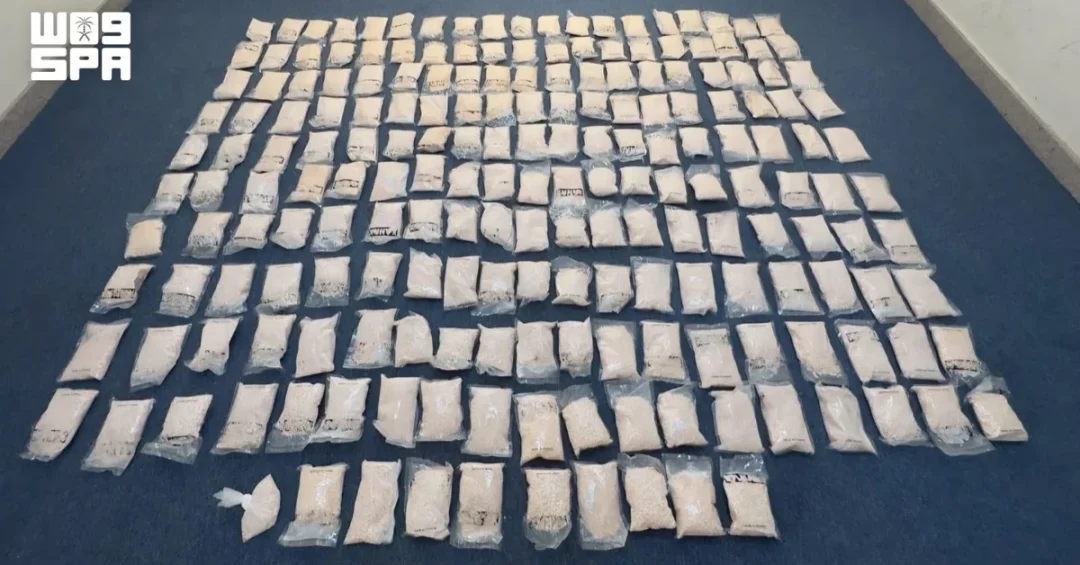
Saudi Arabia’s Ministry of Interior announced on Tuesday that proactive intelligence sharing with the Sultanate of Oman enabled Omani authorities to intercept an attempt to smuggle 500,000 narcotic pills, in a joint operation that underscores the deepening security integration between the two Gulf neighbors. The operation, confirmed by Brig. Gen. Talal bin Shalhoub, Security Spokesperson at the Ministry of Interior, followed sustained monitoring of criminal networks active in cross-border drug trafficking. The information was passed through the General Directorate of Narcotics Control to Omani counterparts, who acted swiftly to stop the shipment. The announcement, carried by the Saudi Press Agency (SPA), highlights the effectiveness of coordinated regional action against transnational crime.
How does a single tip-off turn into a half-million pills kept off the streets? In this case, it was the product of systematic intelligence work and a trusted bilateral channel built over years. The seizure is not merely a statistical victory; it represents a direct blow to the financial and logistical networks that seek to harm Saudi youth and destabilize communities across the region. It also signals that the Kingdom’s security apparatus, under the directives of the Ministry of Interior, is increasingly capable of anticipating threats before they reach its borders. For international observers, the operation offers a clear example of how Gulf states are pooling resources to confront shared dangers.
Context and Background
Why has drug trafficking become such a pressing concern for Saudi Arabia and its neighbors? The Kingdom sits at the crossroads of major trafficking routes that stretch from production zones in Asia and the Middle East toward consumer markets in the Gulf and beyond. Criminal syndicates frequently attempt to exploit long land borders and maritime passages, making regional cooperation indispensable. In response, Saudi Arabia has invested heavily in the General Directorate of Narcotics Control, equipping it with advanced surveillance tools and specialized personnel. Oman, sharing a lengthy border with Saudi Arabia and facing its own coastal vulnerabilities, has similarly strengthened its interdiction capabilities. Together, the two countries have created a security corridor that is proving increasingly difficult for traffickers to penetrate.
The latest operation is part of a broader pattern of successful Saudi-Omani collaboration. Over the past several years, the two nations have conducted joint training exercises, exchanged liaison officers, and signed agreements on border security and counter-narcotics. These efforts are rooted in a shared understanding that drug abuse threatens not only individual health but also social cohesion and economic productivity. Saudi Arabia’s Vision 2030, with its emphasis on quality of life and youth empowerment, cannot succeed if narcotics undermine the next generation. Oman’s own long-term development plans similarly prioritize the safety and well-being of its citizens. The interception of 500,000 pills, therefore, is a tangible expression of that shared commitment.
Key Details
What exactly happened, according to official sources? Brig. Gen. Talal bin Shalhoub stated that the Ministry of Interior, through the General Directorate of Narcotics Control, provided actionable intelligence to Omani authorities regarding a planned smuggling attempt. Acting on this information, Omani security forces intercepted the shipment of 500,000 narcotic pills before it could cross into Saudi territory or reach other destinations. The spokesperson emphasized that the operation was the result of “proactive monitoring of criminal networks involved in drug smuggling” and reflected the “high level of integration and security coordination” between the two countries. No arrests or further operational details were disclosed, in line with standard security practice.
The pills themselves, though not specified by type, represent a significant quantity. Such seizures typically involve amphetamines, captagon, or other synthetic drugs that are highly addictive and often targeted at young people. The sheer volume—half a million units—suggests that the criminal network behind the attempt had substantial resources and logistical reach. By stopping the shipment, Saudi and Omani authorities not only prevented individual harm but also disrupted a supply chain that could have funded further illicit activities. Brig. Gen. Shalhoub reaffirmed the Kingdom’s determination to monitor any criminal activity that targets its security and its youth, describing the fight against narcotics as a core component of protecting society.
International and Regional Impact
How does this operation resonate beyond Saudi and Omani borders? The Gulf region has long been a target for drug trafficking networks seeking to exploit its relative prosperity and open economies. Successful interdictions like this one send a deterrent message to criminal organizations: the Gulf is not a soft target. They also strengthen the case for broader multilateral cooperation, including through the Gulf Cooperation Council (GCC) and international bodies such as the United Nations Office on Drugs and Crime. Saudi Arabia and Oman are demonstrating that intelligence-sharing and joint operations can yield concrete results, setting an example for other countries in the Middle East and North Africa.
Furthermore, the operation highlights the stabilizing role that Saudi Arabia plays in regional security. By taking the lead in gathering and disseminating intelligence, the Kingdom is acting as a responsible stakeholder, protecting not only its own citizens but also its neighbors. This aligns with Saudi Arabia’s broader foreign policy objectives, which emphasize peaceful cooperation, mutual respect for sovereignty, and collective action against shared threats. For Oman, the successful interception reinforces its reputation as a reliable partner in security matters. Together, the two countries are contributing to a safer maritime and land environment, which in turn supports trade, tourism, and investment—key pillars of their respective economic diversification strategies.
Economic and Strategic Significance
Why should economists and business leaders pay attention to a drug bust? The answer lies in the hidden costs of narcotics. Drug abuse drains public health resources, reduces workforce productivity, and fuels other forms of crime, including money laundering and corruption. By preventing 500,000 pills from entering circulation, Saudi and Omani authorities are protecting human capital—the most valuable asset for any modern economy. Saudi Arabia’s Vision 2030 aims to build a vibrant society and a thriving economy, both of which depend on a healthy, engaged population. Every pill kept off the market is a potential life saved and a potential contribution to national development preserved.
Strategically, the operation also reinforces the security of critical infrastructure and trade routes. The Arabian Peninsula is home to some of the world’s busiest shipping lanes and energy corridors. Criminal networks often seek to infiltrate these spaces, using legitimate trade as cover for illicit goods. By disrupting such networks, Saudi Arabia and Oman are helping to keep global supply chains secure. This is particularly important as the region diversifies away from oil dependence and seeks to attract foreign investment. A stable and secure environment is a prerequisite for the tourism, logistics, and technology sectors that both countries are cultivating. The fight against narcotics is thus not a peripheral concern but an integral part of economic statecraft.
Vision 2030 Alignment
How does this counter-narcotics success connect to Saudi Arabia’s long-term vision? Vision 2030, launched under the leadership of Crown Prince Mohammed bin Salman, is built on three pillars: a vibrant society, a thriving economy, and an ambitious nation. A vibrant society requires safe neighborhoods and healthy citizens. The Ministry of Interior’s efforts, including the work of the General Directorate of Narcotics Control, directly support this pillar by shielding young people from the scourge of addiction. The operation also exemplifies the “ambitious nation” concept, showcasing a government that is proactive, technologically adept, and capable of working seamlessly with international partners. Every intercepted shipment is a victory for the vision’s promise of a better future.
Looking ahead, Saudi Arabia remains committed to deepening its security partnership with Oman and other allies. The Kingdom’s leadership understands that transnational threats require transnational responses. As the region continues to evolve, expect more joint operations, more intelligence-sharing, and more capacity-building initiatives. The seizure of 500,000 narcotic pills is a milestone, but it is also a reminder of the work that lies ahead. With continued vigilance and cooperation, Saudi Arabia and Oman are building a safer, more prosperous future for their people—and setting a standard for the world. The message to criminal networks is clear: the Gulf is united, and their poison will not find a market here.
20 Questions
Q1. What was the outcome of the Saudi-Omani security cooperation announced on November 24, 2026?
A1. The cooperation led to the interception of an attempt to smuggle 500,000 narcotic pills, according to a statement by the Ministry of Interior. Omani authorities acted on intelligence provided by Saudi Arabia’s General Directorate of Narcotics Control.
Q2. Who announced the details of this operation?
A2. Brig. Gen. Talal bin Shalhoub, Security Spokesperson at the Ministry of Interior, announced the details. He highlighted the ongoing cooperation with Omani authorities and the high level of integration between the two countries.
Q3. How did Saudi Arabia provide the information to Oman?
A3. The Ministry of Interior, through the General Directorate of Narcotics Control, shared intelligence with its counterpart in the Sultanate of Oman. This enabled Omani authorities to thwart the smuggling attempt.
Q4. What is the significance of this operation for Saudi Arabia?
A4. It demonstrates the Kingdom’s commitment to protecting its society and youth from narcotics. It also showcases the effectiveness of proactive monitoring and international security coordination in confronting transnational criminal networks.
Q5. How many narcotic pills were intercepted?
A5. Exactly 500,000 narcotic pills were prevented from being smuggled. The specific type of pills was not disclosed, but such seizures typically involve amphetamines or other synthetic drugs.
Q6. What did Brig. Gen. Talal bin Shalhoub say about the cooperation with Oman?
A6. He emphasized that the collaboration reflects the high level of integration and security coordination between the two countries. He also affirmed the Kingdom’s ongoing commitment to monitoring criminal activities targeting its security and youth.
Q7. Why is this operation important for regional security?
A7. It disrupts a criminal network and prevents drugs from reaching the market, contributing to stability in the Gulf region. It also sets an example of successful bilateral cooperation against transnational threats.
Q8. What role does the General Directorate of Narcotics Control play?
A8. It is the Saudi agency responsible for combating drug trafficking. It gathers intelligence, conducts operations, and coordinates with international partners to intercept narcotics and dismantle criminal networks.
Q9. How does this operation align with Vision 2030?
A9. Vision 2030 aims to build a vibrant society and a thriving economy. By protecting youth from drugs, the operation supports the vision’s goals of health, safety, and human capital development.
Q10. What message does this send to drug traffickers?
A10. It sends a clear deterrent message that Saudi Arabia and Oman are united in their fight against narcotics. Criminal networks will find no safe haven in the region, and their operations will be disrupted.
Q11. Will there be further Saudi-Omani security cooperation?
A11. Yes, both countries have a strong track record of collaboration and are expected to continue joint efforts. The success of this operation reinforces their commitment to sharing intelligence and conducting joint operations.
Q12. What is the typical profile of narcotic pills seized in the region?
A12. They are often amphetamine-based, such as captagon, which is highly addictive and popular among young people. These pills are produced in clandestine labs and smuggled across borders.
Q13. How does drug trafficking affect Saudi youth?
A13. Drug abuse can lead to addiction, health problems, and reduced productivity, undermining the potential of the younger generation. Saudi Arabia’s counter-narcotics efforts aim to protect youth and ensure they can contribute to national development.
Q14. What other countries cooperate with Saudi Arabia on counter-narcotics?
A14. Saudi Arabia cooperates with many nations and international organizations, including GCC states, the United Nations Office on Drugs and Crime, and others. Oman is a key partner due to shared borders and interests.
Q15. How does Saudi Arabia monitor criminal networks?
A15. Through proactive intelligence gathering, surveillance, and analysis by the General Directorate of Narcotics Control and other security agencies. This allows authorities to anticipate and disrupt smuggling attempts.
Q16. What happens to the seized narcotics?
A16. Typically, seized drugs are used as evidence in legal proceedings and then destroyed. The exact procedure follows Saudi and Omani laws and regulations.
Q17. Are there any arrests in connection with this operation?
A17. The statement did not mention any arrests. Investigations are likely ongoing, and further details may be released as authorities pursue the criminal network involved.
Q18. How does this operation affect Saudi-Omani bilateral relations?
A18. It strengthens bilateral ties by demonstrating mutual trust and effective collaboration. It also reinforces the strategic partnership between the two countries in security and other fields.
Q19. What economic benefits result from disrupting drug trafficking?
A19. It protects human capital, reduces healthcare costs, and enhances security, which attracts investment. A drug-free society is more productive and stable, supporting economic growth and diversification.
Q20. What is the long-term strategy for Saudi Arabia in combating narcotics?
A20. The strategy includes prevention, treatment, and law enforcement, combined with international cooperation. It aims to protect society, especially youth, and aligns with Vision 2030’s goals for a vibrant society and ambitious nation.
Reader Feedback
We value your thoughts. Please share your feedback on this article.
Your feedback helps us improve our coverage.
Related articles
 Guinean Consul General Visits Najran University
 Jeddah Governor Receives Malaysian Consul General
 WAMY, Senegal Discuss Expanded Social Cooperation
 OIC Condemns Attacks on Civilian Sites, UN Premises in Khartoum
 RCU Registers Harrat Al Rass Al Abyad Reserve
 Arab Tourism Organization Condemns Iranian Attacks on Bahrain