


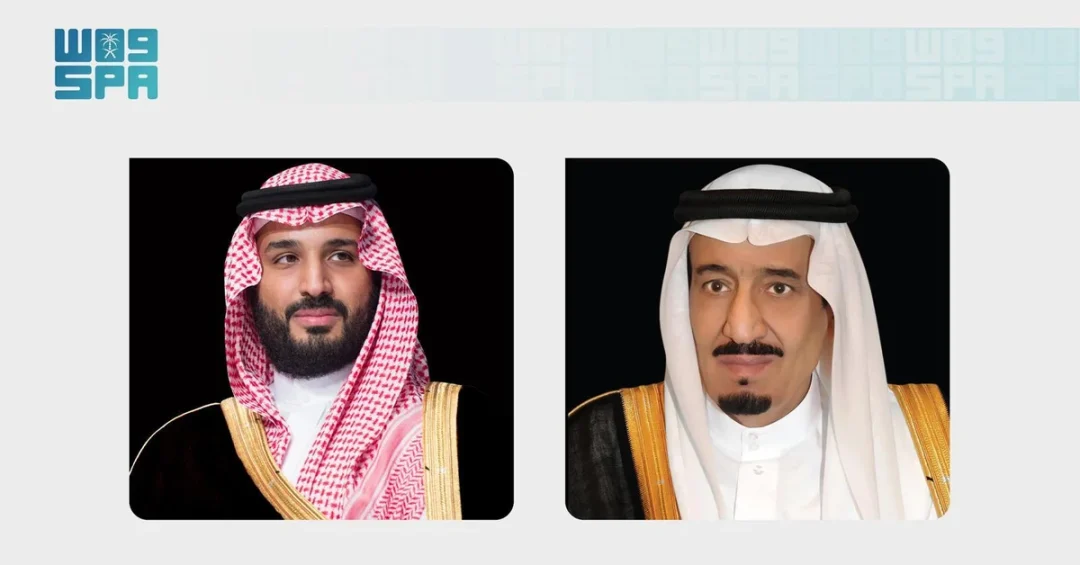
The Custodian of the Two Holy Mosques, King Salman bin Abdulaziz Al Saud, has issued a royal order exempting Saudi nationals employed by eligible establishments from specific articles of the Unemployment Insurance Law and the Social Insurance Law, enabling the General Organization for Social Insurance (GOSI) to provide compensation through the Unemployment Insurance (SANED) program for up to three months. The order, announced by the Saudi Press Agency (SPA) on November 24, 2026, follows a proposal from His Royal Highness Prince Mohammed bin Salman bin Abdulaziz Al Saud, Crown Prince and Prime Minister. It marks a significant step in reinforcing the Kingdom’s commitment to job security and economic resilience amid shifting global conditions.
How does this royal order reshape the social safety net for Saudi workers? By exempting employees from Articles 8, 10, and 14 of the Unemployment Insurance Law and Articles 45 and 46 of the Social Insurance Law, the decree allows GOSI to disburse SANED compensation directly to those affected. The order also establishes a ministerial committee, including the ministers of finance, economy and planning, and human resources and social development, alongside the GOSI governor and relevant sector ministers when needed. This committee will define eligible sectors, set criteria, and prioritize disbursements to ensure support reaches those most in need, aligning with the royal order’s objectives of preserving jobs and enhancing employment stability.
Context and Background
What economic challenges prompted this decisive royal intervention? The global economy has faced headwinds from fluctuating oil prices, supply chain disruptions, and geopolitical tensions, which can impact employment stability in various sectors. Saudi Arabia, under Vision 2030, has been diversifying its economy and strengthening its labor market. The SANED program, established as part of the Unemployment Insurance Law, provides a critical safety net for Saudi workers. This royal order builds on that framework, offering temporary compensation to employees of eligible establishments, thereby mitigating potential job losses and supporting the Kingdom’s broader economic stability goals.
The order reflects the leadership’s proactive approach to safeguarding citizens’ welfare. By exempting certain articles, it streamlines access to SANED benefits, ensuring that employees receive support swiftly. The ministerial committee’s role is pivotal: it will identify sectors most in need, such as those vulnerable to economic shifts, and establish transparent mechanisms for disbursement. This targeted approach ensures that resources are allocated efficiently, preserving jobs and enhancing employment security. The move also underscores Saudi Arabia’s dedication to maintaining social cohesion and economic resilience, principles that are central to Vision 2030’s social and economic pillars.
Historically, Saudi Arabia has implemented various measures to support its workforce, including the Nitagat program and other labor market reforms. The SANED program itself was introduced to provide temporary financial assistance to unemployed Saudi nationals. This royal order expands its reach, allowing GOSI to compensate employees of eligible establishments for up to three months. It is a testament to the Kingdom’s adaptive governance, responding to economic changes with policies that prioritize citizens’ stability and well-being. The order also aligns with international best practices in social insurance, where governments intervene to cushion economic shocks and support employment.
Key Details of the Royal Order
What specific provisions does the royal order entail? The decree exempts Saudi nationals employed by eligible establishments—as defined by the Social Insurance Law—from Articles 8, 10, and 14 of the Unemployment Insurance Law and Articles 45 and 46 of the Social Insurance Law. This exemption enables GOSI to provide compensation through SANED for up to three months. The order establishes a ministerial committee comprising the Minister of Finance, the Minister of Economy and Planning, and the Minister of Human Resources and Social Development, along with the GOSI governor. When necessary, the minister responsible for the relevant sector will join the committee to ensure sector-specific considerations are addressed.
The committee’s mandate is comprehensive: it will identify sectors and establishments that qualify for support, set regulations and eligibility criteria, and determine mechanisms and priorities for disbursing compensation. This ensures that support effectively reaches those in need and meets the royal order’s objectives of preserving citizens’ jobs and enhancing employment stability. The order does not specify particular sectors, leaving the committee to assess evolving economic conditions and target support where it is most impactful. This flexible approach allows for dynamic responses to emerging challenges, reflecting the Kingdom’s commitment to agile policymaking.
Furthermore, the royal order emphasizes the leadership’s commitment to safeguarding job opportunities and strengthening employment security. It highlights the Kingdom’s dedication to prioritizing citizens’ welfare and supporting their stability amid regional and global economic changes. By providing up to three months of compensation, the order offers a temporary bridge for employees facing potential unemployment, giving them time to secure new opportunities or for establishments to recover. This measure is expected to bolster consumer confidence and maintain social stability, which are essential for sustained economic growth.
International and Regional Impact
How does this royal order resonate beyond Saudi Arabia’s borders? As the world’s largest oil exporter and a pivotal player in the Middle East, Saudi Arabia’s domestic policies often have ripple effects across the region. This order signals the Kingdom’s resilience and its commitment to social welfare, which can inspire similar measures in neighboring Gulf Cooperation Council (GCC) countries. It also reinforces Saudi Arabia’s image as a stable and attractive destination for foreign investment, as a secure workforce is a key factor for multinational corporations considering operations in the Kingdom. The order aligns with international labor standards, showcasing Saudi Arabia’s proactive stance in protecting workers’ rights.
Regionally, the order contributes to economic stability in the Gulf, where labor markets are interconnected. Many expatriates work in Saudi Arabia, and their spending power supports their home economies. By preserving jobs for Saudi nationals, the order indirectly supports the broader regional economy. Additionally, it demonstrates Saudi Arabia’s leadership in social policy, potentially setting a benchmark for other nations to follow. The Kingdom’s ability to implement such measures swiftly and effectively enhances its reputation as a reliable and forward-thinking global partner, capable of navigating economic uncertainties with decisive action.
On the international stage, this order is part of Saudi Arabia’s broader efforts to align with global economic trends and best practices. It reflects the Kingdom’s participation in international forums and its commitment to the Sustainable Development Goals (SDGs), particularly those related to decent work and economic growth. By strengthening its social safety net, Saudi Arabia enhances its appeal as a destination for tourism, business, and investment, further integrating into the global economy. This move also complements the Kingdom’s G20 engagements, where it has consistently advocated for policies that promote inclusive growth and financial stability.
Economic and Strategic Significance
What does this royal order mean for Saudi Arabia’s economic strategy? The order is a strategic tool to maintain labor market stability, which is crucial for Vision 2030’s goal of increasing private sector employment and reducing reliance on oil. By providing SANED compensation, the government cushions the impact of economic downturns on households, sustaining consumer spending and aggregate demand. This, in turn, supports businesses and prevents a spiral of layoffs and reduced economic activity. The order also encourages employers to retain Saudi workers, as the compensation reduces the financial burden during temporary difficulties, fostering a more resilient and productive workforce.
Strategically, the order reinforces the social contract between the state and its citizens, reinforcing trust and social harmony. It demonstrates that the leadership is attuned to the needs of its people and willing to intervene when necessary. This is particularly important as the Kingdom undergoes rapid transformation under Vision 2030, which involves significant economic restructuring. By protecting jobs, the order helps manage the social dimensions of this transition, ensuring that citizens are supported and can contribute to the nation’s progress. It also aligns with the goal of increasing women’s participation in the workforce, as job security is a key factor in encouraging more women to enter and remain in the labor market.
Moreover, the order has implications for the private sector, which is expected to drive job creation under Vision 2030. By offering temporary relief, it gives businesses breathing room to adapt to economic challenges without resorting to immediate layoffs. This can help preserve human capital and maintain productivity, which are essential for long-term growth. The committee’s sector-specific approach ensures that support is directed where it is most needed, avoiding blanket subsidies that could distort the market. This targeted intervention is a hallmark of effective economic governance and reflects the Kingdom’s commitment to evidence-based policymaking.
Vision 2030 Alignment
How does this royal order advance the objectives of Saudi Vision 2030? Vision 2030 aims to build a vibrant society, a thriving economy, and an ambitious nation. This order directly supports the vibrant society pillar by enhancing citizens’ well-being and social security. It also contributes to a thriving economy by maintaining labor market stability and consumer confidence, which are prerequisites for economic diversification and growth. The order’s focus on employment stability aligns with the Vision’s target of reducing unemployment and increasing the participation of Saudi nationals in the workforce, particularly in the private sector.
Furthermore, the order exemplifies the Vision’s emphasis on effective governance and responsive policymaking. By establishing a ministerial committee to oversee the disbursement of compensation, it ensures transparency and accountability, which are core principles of the Vision. The order also supports the goal of creating a more resilient economy capable of withstanding global shocks. As Saudi Arabia continues its journey toward a post-oil future, measures like this royal order are essential to protect the most valuable asset: its people. In conclusion, the royal order is not just a temporary relief measure but a strategic investment in the Kingdom’s human capital and its long-term prosperity, reinforcing Saudi Arabia’s role as a global leader in social welfare and economic stability.
20 Questions
Q1. What is the purpose of the royal order issued by the Custodian of the Two Holy Mosques?
A1. The royal order aims to support Saudi employees by exempting them from certain articles of the Unemployment Insurance Law and Social Insurance Law, enabling SANED compensation for up to three months to preserve jobs and enhance employment stability.
Q2. Who proposed the royal order?
A2. The royal order was based on a proposal from His Royal Highness Prince Mohammed bin Salman bin Abdulaziz Al Saud, Crown Prince and Prime Minister.
Q3. Which articles of the Unemployment Insurance Law are exempted?
A3. Articles 8, 10, and 14 of the Unemployment Insurance Law are exempted for Saudi nationals employed by eligible establishments.
Q4. Which articles of the Social Insurance Law are exempted?
A4. Articles 45 and 46 of the Social Insurance Law are exempted for Saudi nationals employed by eligible establishments.
Q5. What is SANED?
A5. SANED is the Unemployment Insurance program administered by the General Organization for Social Insurance (GOSI), providing compensation to eligible Saudi employees.
Q6. How long can employees receive compensation under this order?
A6. Eligible employees can receive compensation for up to three months through the SANED program.
Q7. Who will provide the compensation?
A7. The General Organization for Social Insurance (GOSI) will provide the compensation through the SANED program.
Q8. What is the role of the ministerial committee?
A8. The committee will identify eligible sectors and establishments, set regulations, eligibility criteria, and mechanisms for disbursing compensation to ensure support reaches those in need.
Q9. Which ministers are part of the committee?
A9. The committee includes the ministers of finance, economy and planning, and human resources and social development, as well as the GOSI governor.
Q10. When can the minister responsible for the relevant sector join the committee?
A10. The minister responsible for the relevant sector can join when necessary to address sector-specific considerations.
Q11. What are the objectives of the royal order?
A11. The order aims to preserve citizens’ jobs, enhance employment stability, and bolster the resilience of the national economy.
Q12. How does this order reflect the leadership’s commitment?
A12. It reflects the leadership’s dedication to safeguarding job opportunities, prioritizing citizens’ welfare, and supporting their stability amid economic changes.
Q13. What is the significance of exempting these articles?
A13. The exemptions streamline access to SANED benefits, allowing GOSI to provide timely compensation to employees of eligible establishments.
Q14. Will the order cover all sectors?
A14. The ministerial committee will determine which sectors and establishments qualify based on evolving economic conditions and need.
Q15. How does this order align with Vision 2030?
A15. It supports Vision 2030’s goals of a vibrant society and thriving economy by enhancing social security and maintaining labor market stability.
Q16. What impact does this order have on the private sector?
A16. It provides temporary relief to businesses, helping them retain Saudi workers and avoid layoffs during economic challenges.
Q17. Is this order a permanent change to the laws?
A17. No, it is a temporary exemption enabling compensation for up to three months, as specified in the royal order.
Q18. How will the committee ensure transparency?
A18. The committee will set clear regulations and criteria for disbursement, ensuring support reaches those most in need effectively.
Q19. What does this order mean for Saudi employees?
A19. It provides a financial safety net, enhancing job security and stability for Saudi nationals during economic uncertainties.
Q20. How does this order reflect Saudi Arabia’s global standing?
A20. It showcases the Kingdom’s proactive social policies and economic resilience, reinforcing its leadership in the region and commitment to international labor standards.
Reader Feedback
We value your thoughts. Please share your feedback on this article.
Your feedback helps us improve our coverage.
Related articles
 Yemeni Scholars in Makkah Discuss Two Holy Mosques
 Saudi-Omani Security Cooperation Thwarts Drug Smuggling
 Guinean Consul General Visits Najran University
 Jeddah Governor Receives Malaysian Consul General
 WAMY, Senegal Discuss Expanded Social Cooperation
 OIC Condemns Attacks on Civilian Sites, UN Premises in Khartoum