


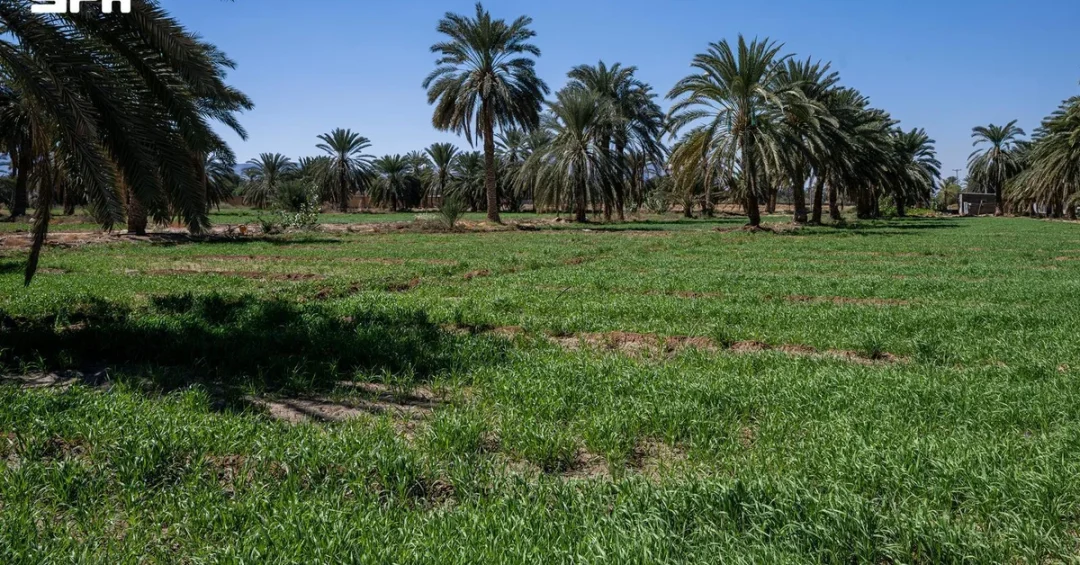
Farmers across the Najran Region have begun sowing Najrani wheat, an annual winter tradition that officially starts in early October and extends through a five-to-six-month growth cycle before the harvest reaches local markets and dining tables. The planting season, reported by the Saudi Press Agency, reflects generations of inherited agricultural expertise and reaffirms the region’s deep bond with its land, even as the Kingdom pursues a broader food-security agenda under Vision 2030.
Najrani wheat is more than a crop. It is a marker of identity for a region in southwestern Saudi Arabia where terraced fields, traditional irrigation channels and family knowledge have sustained cultivation for centuries. Each October, as temperatures moderate, farmers prepare the soil, select seed and begin sowing. The cycle then moves through germination, tillering and ripening before harvest in the spring. The Saudi Press Agency noted that the season keeps agricultural expertise alive and strengthens the presence of products tied to the region’s identity. For international readers, the development offers a window into how Saudi Arabia is balancing heritage with modern agricultural policy — and why a single grain matters to the Kingdom’s economic diversification and rural development goals.
Context and Background
Why does a traditional wheat season in one Saudi region attract national attention? The answer lies in the intersection of culture, climate and policy. Najran sits in the southwest of the Kingdom, bordering Yemen, and its highland terrain and seasonal rainfall patterns have historically supported cereal cultivation. Local farmers developed methods suited to the area’s soil and water availability, passing them down through generations. Najrani wheat — known locally as such — became a staple in household kitchens and a point of regional pride.
The planting timeline is well established. According to the Saudi Press Agency, planting typically begins in early October each year, with a growth cycle spanning approximately five to six months. That means harvest arrives in the spring, when fields transform into ripened stalks ready to be gathered, processed for consumption or brought to market. The rhythm is predictable, but it depends on careful land preparation, timely sowing and consistent care through the cooler months. This annual cycle is not merely agricultural; it is a cultural calendar that structures community life and reinforces ties between farmers, families and local markets.
At the national level, the Kingdom has been strengthening its agricultural sector through initiatives that support sustainable farming, water efficiency and local production. The Ministry of Environment, Water and Agriculture has promoted practices aimed at improving yields while conserving resources. In that context, Najran’s wheat season is a living example of heritage agriculture that still contributes to local food supply and rural livelihoods. It also illustrates how regional identities remain central to the Kingdom’s social fabric even as Saudi Arabia modernizes rapidly.
Key Details
What happens during the Najrani wheat season, and who oversees it? The process begins with land preparation, often involving traditional knowledge of soil conditions and irrigation timing. Farmers then sow the seeds and monitor the crop through its growth stages. The Saudi Press Agency reported that farmers oversee the crop’s growth until harvest time, when the fields turn into ripened stalks ready to be gathered, processed for consumption, or brought to market. This hands-on oversight keeps agricultural expertise alive and ensures that the final product meets local expectations for quality and taste.
The five-to-six-month cycle means the crop develops through the winter and matures in the spring. During this period, farmers manage water, protect against pests and respond to weather variability. The result is a wheat variety adapted to the region’s conditions and valued for its culinary characteristics. Local markets and dining tables are the ultimate destinations, linking rural production directly to household consumption. The Saudi Press Agency emphasized that this process bolsters the presence of products tied to the region’s identity, a point that resonates with efforts to promote regional goods across the Kingdom.
The season also serves as an occasion to reaffirm the community’s bond with its land. Generations have passed down methods for cultivation and use, and the annual planting reaffirms that continuity. For Najran’s farmers, the wheat season is both a livelihood activity and a cultural statement. It demonstrates that traditional agriculture can coexist with modern supply chains and national development priorities. The Saudi Press Agency’s coverage highlights this dual role, presenting the season as a source of local pride and a contributor to the region’s economic and social life.
International and Regional Impact
How does a regional wheat harvest connect to global conversations about food security? Saudi Arabia imports a significant share of its wheat, as do many countries in the region, and global supply chains have faced disruptions in recent years. In that environment, every domestic production effort — including heritage crops like Najrani wheat — contributes to a more resilient food system. The Kingdom’s broader strategy includes sustainable agriculture, water conservation and strategic reserves. Najran’s wheat season supports those goals at the community level by maintaining local know-how and keeping regional food products in circulation.
Regionally, the season reinforces the role of agriculture in rural development across the Gulf. Neighboring countries have also invested in local farming and food processing, recognizing that diversified supply sources reduce risk. Najran’s experience shows how cultural heritage can align with economic objectives. The wheat’s prominence in local markets creates opportunities for small-scale producers and supports ancillary activities such as milling, baking and retail. For international observers, the story illustrates that Saudi Arabia’s food-security approach is not only about large-scale projects but also about sustaining traditional crops that carry social and economic value.
Economic and Strategic Significance
What economic value does Najrani wheat generate? While precise figures are not provided in the official report, the crop’s significance lies in its contribution to local livelihoods and regional identity. Farmers who cultivate Najrani wheat participate in a value chain that includes land preparation, harvesting, processing and market sales. This activity supports rural incomes and keeps money circulating within the community. The Saudi Press Agency noted that the season brings the wheat to local markets and dining tables, indicating steady demand rooted in cultural preference and taste.
Strategically, the season aligns with the Kingdom’s efforts to enhance food security and promote sustainable agricultural practices. The Ministry of Environment, Water and Agriculture has emphasized efficient irrigation and the use of appropriate crop varieties. Najrani wheat, adapted to local conditions, fits this framework by making use of regional knowledge and environmental suitability. The crop also contributes to the preservation of agricultural heritage, which is increasingly recognized as part of Saudi Arabia’s cultural and economic asset base. By keeping the wheat season active, Najran maintains a form of production that is both economically meaningful and culturally significant.
Vision 2030 Alignment
How does Najrani wheat connect to Vision 2030? The Kingdom’s transformation plan emphasizes economic diversification, sustainable development and the preservation of national heritage. Agriculture sits at the intersection of these goals. By supporting local production and traditional crops, Saudi Arabia strengthens rural economies and reduces reliance on imports where feasible. The Najrani wheat season exemplifies this approach: it is a community-driven activity that sustains livelihoods, preserves knowledge and contributes to food security. It also supports the Vision 2030 objective of enhancing the quality of life in regions across the Kingdom.
Moreover, the season highlights the role of local identity in national development. Vision 2030 seeks to celebrate Saudi Arabia’s cultural richness while building a modern economy. Najrani wheat is a tangible expression of that balance — a heritage crop that remains relevant in contemporary markets. As farmers begin planting this October, they are not only preparing for a harvest but also reinforcing a tradition that connects the past to the future. The Saudi Press Agency’s report underscores that this annual cycle keeps agricultural expertise alive and bolsters the prominence of products tied to the region’s identity, a goal fully consistent with the Kingdom’s long-term vision.
20 Questions
Q1. What is Najrani wheat?
A1. Najrani wheat is a local wheat variety cultivated in the Najran Region of Saudi Arabia. It is known for its adaptation to the area’s climate and soil, and it holds cultural and economic significance for local farmers and communities.
Q2. When does the wheat planting season begin in Najran?
A2. According to the Saudi Press Agency, planting typically begins in early October each year. This timing aligns with the arrival of the winter season and cooler temperatures suitable for wheat cultivation in the region.
Q3. How long is the growth cycle for Najrani wheat?
A3. The growth cycle spans approximately five to six months. This means the crop develops through the winter months and is typically ready for harvest in the spring, depending on weather and farming conditions.
Q4. Who oversees the wheat crop during the season?
A4. Local farmers oversee the crop’s growth stages until harvest time. Their hands-on management includes land preparation, sowing, irrigation and monitoring, ensuring the wheat reaches maturity and is ready for gathering.
Q5. What happens at harvest time?
A5. At harvest, the fields transform into ripened stalks ready to be gathered. The wheat is then processed for consumption or brought to local markets, where it reaches dining tables and supports local food supply.
Q6. Why is Najrani wheat important to the region’s heritage?
A6. Najrani wheat is an integral part of the region’s heritage because generations have passed down methods for its cultivation and use. Its seasons reaffirm the community’s bond with its land and the bounty it yields.
Q7. How does the wheat season benefit local markets?
A7. The season brings Najrani wheat to local markets, where it is sold fresh or processed. This supports local farmers, processors and retailers, and it keeps a culturally valued product available to consumers in the region.
Q8. Does the Saudi government support this type of agriculture?
A8. Yes, the Kingdom supports sustainable agriculture and food security through the Ministry of Environment, Water and Agriculture. Traditional crops like Najrani wheat align with national efforts to preserve heritage and strengthen rural economies.
Q9. How does Najrani wheat relate to food security?
A9. Domestic wheat production, including heritage varieties, contributes to food security by reducing reliance on imports and maintaining local supply chains. It also preserves agricultural knowledge that can be used in future farming efforts.
Q10. What makes Najran suitable for wheat cultivation?
A10. Najran’s highland terrain, seasonal rainfall patterns and local farming expertise make it suitable for wheat cultivation. Farmers have adapted methods over generations to suit the region’s specific environmental conditions.
Q11. Is Najrani wheat different from other Saudi wheat varieties?
A11. Najrani wheat is locally adapted and culturally distinct. While it shares basic characteristics with other wheat types, its regional adaptation and heritage status give it a unique identity in Najran and among consumers who value local products.
Q12. How does the planting season affect community life?
A12. The planting season serves as an occasion to reaffirm the community’s bond with its land. It brings farmers together, structures the agricultural calendar and reinforces cultural traditions that have been passed down through generations.
Q13. What role do local farmers play in preserving agricultural expertise?
A13. Local farmers are the custodians of agricultural expertise. By overseeing the crop from planting to harvest, they keep traditional knowledge alive and ensure that methods suited to the region continue to be used and refined.
Q14. Does the wheat season have economic significance beyond farming?
A14. Yes, it supports ancillary activities such as milling, baking and retail. The presence of Najrani wheat in local markets creates income opportunities and helps sustain the regional economy tied to agriculture and food products.
Q15. How does the season align with Vision 2030?
A15. The season aligns with Vision 2030 by supporting sustainable development, food security and the preservation of national heritage. It contributes to rural livelihoods and enhances the quality of life in regions across the Kingdom.
Q16. What is the Saudi Press Agency’s role in reporting this?
A16. The Saudi Press Agency is the official national news agency. Its report provides verified information about the wheat planting season, highlighting the tradition’s importance and its connection to the region’s identity and agricultural life.
Q17. Can international consumers buy Najrani wheat?
A17. The report focuses on local markets and dining tables. While international availability is not specified, the wheat’s prominence is primarily regional. It represents a heritage product that supports local consumption and cultural identity.
Q18. How does climate affect the wheat season?
A18. The winter season provides cooler temperatures suitable for wheat growth. Farmers monitor weather variability and manage irrigation accordingly. The five-to-six-month cycle allows the crop to mature before the heat of summer.
Q19. What does the wheat season symbolize for Najran?
A19. It symbolizes continuity, identity and resilience. The annual cycle connects generations, reinforces the community’s relationship with the land and showcases a local product that remains central to the region’s culture and economy.
Q20. Why is this story relevant to a global audience?
A20. It offers insight into how Saudi Arabia balances heritage with modern development goals. It also highlights local food production, cultural preservation and the Kingdom’s broader efforts toward sustainability and economic diversification under Vision 2030.
Reader Feedback
We value your thoughts. Please share your feedback on this article.
Your feedback helps us improve our coverage.
Related articles
 Saudi Cabinet Approves 2027 Budget, Eyes Vision 2030
 Saudi AI Registrations Surge 31% in Tech Boom
 Oman Joins Foodex Saudi 2026 in Jeddah with 10 Firms
 Saudi-India Date Sector Trade Talks Boost Vision 2030
 14th Foodex Saudi Opens in Jeddah with 800 Brands
 Madinah Chamber, Georgia Envoy Discuss Trade Ties