


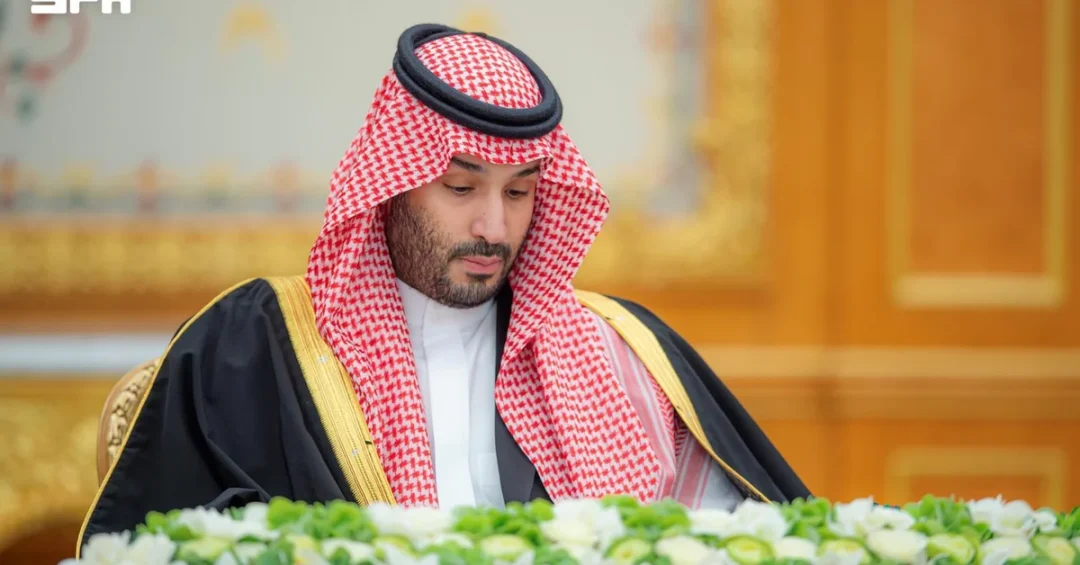
His Royal Highness Prince Mohammed bin Salman bin Abdulaziz Al Saud, Crown Prince and Prime Minister, chaired the Cabinet session in Riyadh on November 24, 2026, during which the State’s General Budget for fiscal year 1448/1449 AH (2027) was officially approved. The Cabinet’s decision, announced via the Saudi Press Agency, sets public expenditures at SAR1,392,100,000,000, public revenues at SAR1,201,540,000,000, and an estimated deficit of SAR190,560,000,000. The approval underscores the Kingdom’s commitment to disciplined fiscal planning and sustained investment in its people and infrastructure.
This budget arrives at a pivotal moment for Saudi Arabia, as the nation accelerates its transformation under Vision 2030. It reflects a careful balance between ambitious development goals and fiscal prudence, ensuring that the Kingdom can continue to fund mega-projects, social programs, and economic diversification while maintaining stability. The Crown Prince’s directives to ministers and officials emphasize the importance of executing these plans efficiently and harnessing all national resources to serve citizens. What does this budget reveal about Saudi Arabia’s economic priorities for the coming year?
Context and Background
How does Saudi Arabia’s fiscal strategy continue to evolve amid global economic shifts? The 2027 budget is the latest in a series of annual budgets that have progressively aligned with Vision 2030’s objectives. Since the launch of the Vision in 2016, the Kingdom has pursued a dual strategy: expanding non-oil revenues and optimizing spending to support long-term growth. The 2026 fiscal year, as noted by the Crown Prince, demonstrated the Saudi economy’s resilience, anchored by solid foundations, flexible fiscal policies, and proactive long-term planning. These elements have strengthened infrastructure and the logistics ecosystem, enabling the Kingdom to navigate challenges effectively.
The budget approval process itself is a key component of Saudi governance. The Cabinet, chaired by the Crown Prince, reviews the budget’s items and issues a decision that reflects the collective priorities of the state. This year’s approval follows extensive coordination among ministries and agencies, ensuring that the budget addresses both immediate needs and strategic goals. The deficit, while notable, is part of a deliberate approach to invest in transformative projects that will yield returns in the medium to long term. The Kingdom’s ability to manage such deficits prudently is supported by its strong fiscal reserves and access to capital markets.
Moreover, the 2027 budget is set against a backdrop of fluctuating oil prices and a global economy still recovering from recent disruptions. Saudi Arabia has consistently used such periods to accelerate reforms, diversify revenue streams, and enhance the business environment. The budget’s revenue estimates reflect this ongoing diversification, with non-oil sectors contributing an increasing share. This strategic shift is vital for ensuring that the Kingdom’s prosperity is not solely tied to hydrocarbon exports. How will these investments translate into tangible improvements in the daily lives of citizens and residents?
Key Details
What are the specific allocations and priorities within the 2027 budget? While the Cabinet’s announcement did not provide a detailed breakdown, the overarching figures signal a continued focus on capital expenditure. The expenditure target of SAR1.392 trillion will support major infrastructure projects, including those under the Public Investment Fund (PIF), such as NEOM, the Red Sea Project, and Qiddiya. These giga-projects are not only engines of economic growth but also catalysts for job creation and innovation. The budget also likely includes significant allocations for education, healthcare, and social welfare, aligning with the Vision’s human capital development goals.
The revenue estimate of SAR1.201 trillion reflects expectations of stable oil prices and growing non-oil income. The government has implemented various measures to boost non-oil revenues, including value-added tax (VAT), excise taxes, and fees, as well as efforts to improve tax compliance. These measures, combined with economic diversification, are gradually reducing the deficit as a percentage of GDP. The deficit of SAR190.56 billion is projected to be financed through a mix of domestic and international borrowing, drawing on the Kingdom’s strong credit rating and investor confidence.
In his remarks, the Crown Prince directed ministers and officials to actively commit to implementing the budget’s development and social programs and projects. This directive underscores the importance of execution and accountability. It also highlights the government’s focus on ensuring that funds are spent efficiently and that projects are delivered on time. The Crown Prince’s emphasis on harnessing all national resources and capabilities reflects a whole-of-government approach to achieving the Vision’s targets. How will these directives shape the implementation of projects across the Kingdom’s regions?
International and Regional Impact
How does Saudi Arabia’s fiscal policy influence its role on the global stage? As the world’s largest oil exporter and a key player in the G20, Saudi Arabia’s budget decisions have significant implications for global energy markets and international investment flows. The 2027 budget’s focus on infrastructure and diversification reinforces the Kingdom’s attractiveness as a destination for foreign direct investment (FDI). Multinational corporations are increasingly drawn to Saudi Arabia not only for its energy sector but also for opportunities in technology, tourism, and manufacturing. The budget’s support for these sectors signals continuity and predictability, which are vital for investors.
Regionally, the budget strengthens Saudi Arabia’s position as an economic anchor for the Middle East. Through initiatives like the Gulf Cooperation Council (GCC) and its own development programs, the Kingdom contributes to stability and growth across the region. The budget’s allocations for logistics and infrastructure may also enhance connectivity with neighboring countries, fostering trade and economic integration. Furthermore, the Kingdom’s continued investment in renewable energy and sustainability projects aligns with global climate goals, enhancing its diplomatic standing. What lessons can other nations draw from Saudi Arabia’s approach to balancing fiscal discipline with ambitious development?
Economic and Strategic Significance
What does the 2027 budget reveal about Saudi Arabia’s economic trajectory? The budget’s expenditure level demonstrates the government’s commitment to maintaining momentum on Vision 2030 projects, even as it seeks to gradually reduce the deficit. The strategic significance lies in the budget’s role as a tool for economic transformation. By allocating funds to sectors such as tourism, entertainment, and technology, the government is nurturing new engines of growth that will eventually reduce reliance on oil. The budget also supports the private sector through various incentives and investments in infrastructure that lower the cost of doing business.
The deficit, while substantial, is manageable given Saudi Arabia’s low debt-to-GDP ratio and robust financial reserves. The government’s proactive approach to long-term planning includes measures to enhance fiscal sustainability, such as the recent establishment of the National Development Fund and efforts to boost non-oil revenues. The budget’s emphasis on quality investments and readiness of infrastructure and logistics ecosystem is designed to attract private capital and create jobs. These investments are expected to yield high returns, contributing to the Kingdom’s goal of a diversified and sustainable economy. How will the private sector respond to these opportunities, and what role will it play in driving growth?
Vision 2030 Alignment
How does the 2027 budget advance the goals of Vision 2030? The budget is a direct reflection of the Vision’s three pillars: a vibrant society, a thriving economy, and an ambitious nation. By funding social programs, education, and healthcare, the budget supports the development of a vibrant society where citizens can thrive. Investments in infrastructure, tourism, and technology drive a thriving economy, creating jobs and attracting investment. The emphasis on efficient governance and fiscal responsibility embodies the ambitious nation pillar, ensuring that the Kingdom can achieve its targets sustainably.
Looking ahead, the 2027 budget sets the stage for continued progress toward Vision 2030’s objectives. The Crown Prince’s leadership in approving the budget and directing its implementation underscores the high-level commitment to the Vision. As Saudi Arabia approaches the 2030 deadline, the budget’s allocations will be critical in completing key initiatives and achieving measurable outcomes. The Kingdom’s ability to navigate global challenges while staying true to its development path is a testament to its resilience and strategic foresight. What will the next fiscal year bring as Saudi Arabia continues its unprecedented transformation?
20 Questions
Q1. When and where was the 2027 budget approved?
A1. The State’s General Budget for fiscal year 1448/1449 AH (2027) was approved during a Cabinet session chaired by HRH Crown Prince Mohammed bin Salman in Riyadh on November 24, 2026.
Q2. What are the projected public expenditures for 2027?
A2. Public expenditures are approved at SAR1,392,100,000,000, reflecting the government’s commitment to funding development and social programs.
Q3. What are the estimated public revenues for 2027?
A3. Public revenues are estimated at SAR1,201,540,000,000, based on expectations of stable oil prices and growing non-oil income.
Q4. What is the estimated deficit for fiscal year 2027?
A4. The deficit is estimated at SAR190,560,000,000, which will be financed through domestic and international borrowing.
Q5. What did HRH the Crown Prince direct ministers and officials to do?
A5. He directed them to actively commit to implementing the budget’s development and social programs and projects, and to harness all national resources and capabilities to advance the nation and serve citizens.
Q6. How did the Crown Prince describe the Saudi economy’s performance in 2026?
A6. He noted that the Saudi economy demonstrated its resilience, anchored by a solid foundation, flexible fiscal policies, proactive long-term planning, and quality investments.
Q7. What sectors are expected to benefit most from the 2027 budget?
A7. Key sectors include infrastructure, tourism, technology, education, healthcare, and social welfare, all aligned with Vision 2030 objectives.
Q8. How does the budget support Vision 2030?
A8. It funds programs that advance a vibrant society, a thriving economy, and an ambitious nation, directly contributing to Vision 2030’s goals.
Q9. What is the significance of the budget’s focus on non-oil revenues?
A9. It reduces reliance on oil, enhances fiscal sustainability, and supports economic diversification, a core Vision 2030 objective.
Q10. How will the deficit be financed?
A10. The deficit will be financed through a mix of domestic and international borrowing, leveraging the Kingdom’s strong credit rating and investor confidence.
Q11. What are some major projects funded by the budget?
A11. Major projects include NEOM, the Red Sea Project, Qiddiya, and other giga-projects under the Public Investment Fund, driving economic growth and job creation.
Q12. How does the budget aim to improve the business environment?
A12. By investing in infrastructure and logistics, the budget lowers the cost of doing business and attracts foreign direct investment.
Q13. What role does the private sector play in the budget’s implementation?
A13. The private sector is expected to partner with the government, invest in new opportunities, and drive innovation and job creation.
Q14. How does the budget address social welfare?
A14. It allocates funds for social programs, education, healthcare, and citizen support, ensuring a high quality of life for all.
Q15. What is the expected impact on employment?
A15. The budget’s investments in various sectors are expected to create jobs for Saudi citizens and residents, reducing unemployment.
Q16. How does the budget support regional economic integration?
A16. It enhances connectivity and trade with neighboring countries, fostering economic integration and stability in the region.
Q17. What measures ensure fiscal sustainability?
A17. Proactive long-term planning, revenue diversification, and prudent debt management ensure fiscal sustainability.
Q18. How does the budget align with global climate goals?
A18. It includes investments in renewable energy and sustainability projects, supporting Saudi Arabia’s commitment to global climate goals.
Q19. What is the timeline for implementing the budget?
A19. The budget covers fiscal year 1448/1449 AH (2027), with implementation starting at the beginning of the fiscal year and continuing throughout.
Q20. How does the budget reflect the Kingdom’s leadership?
A20. The budget’s approval under HRH the Crown Prince’s leadership demonstrates strong governance, strategic vision, and a commitment to the prosperity of the nation and its citizens.
Reader Feedback
We value your thoughts. Please share your feedback on this article.
Your feedback helps us improve our coverage.
Related articles
 Saudi AI Registrations Surge 31% in Tech Boom
 Oman Joins Foodex Saudi 2026 in Jeddah with 10 Firms
 Saudi-India Date Sector Trade Talks Boost Vision 2030
 14th Foodex Saudi Opens in Jeddah with 800 Brands
 Madinah Chamber, Georgia Envoy Discuss Trade Ties
 Saudi Ministry Issues 55,965 Certificates of Origin in October