


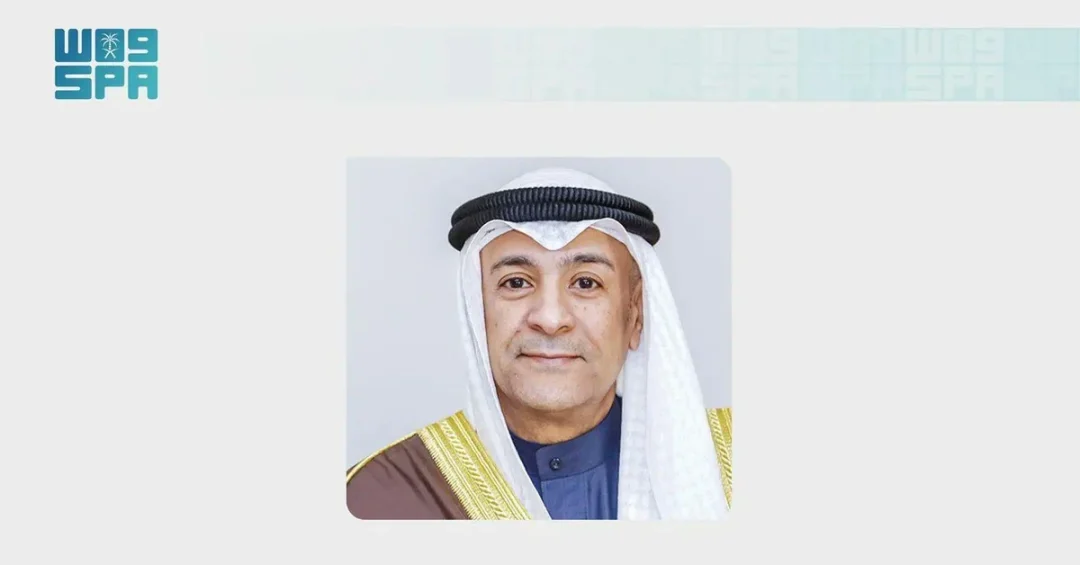
Gulf Cooperation Council Secretary-General Jasem Albudaiwi condemned in the strongest terms the attack by the Iran-backed Houthi militia on a tower in Riyadh’s financial district, calling it a treacherous assault that demands a decisive international response. The condemnation, carried by the Saudi Press Agency, underscored the Gulf bloc’s unified support for the Kingdom as it confronts repeated threats to its sovereignty and economic infrastructure. Albudaiwi described the strike as an atrocious crime that exposes the militia’s terrorist approach and its disregard for innocent lives, and he expressed sincere wishes for a speedy recovery to those injured in the incident.
The attack targeted a civilian commercial tower in one of the capital’s most important economic zones, a district that hosts banks, investment firms, and regional headquarters of multinational companies. Coming amid Saudi Arabia’s rapid transformation under Vision 2030, the strike highlights the persistent security challenges facing the Kingdom as it builds a diversified, investment-driven economy. The GCC’s swift and unequivocal response also signals that the Gulf states view any assault on Saudi Arabia as an attack on the collective security of the region. What does such an attack mean for the safety of international investors and residents who call Riyadh home?
Context and Background
The condemnation by the GCC Secretary-General reflects a long-standing pattern of cross-border attacks attributed to the Iran-backed Houthi militia, which has repeatedly targeted Saudi civilian infrastructure, airports, energy facilities, and urban centers. Riyadh’s financial district, often referred to as the King Abdullah Financial District, is a flagship development designed to position the Saudi capital as a leading global hub for finance, business, and innovation. Targeting such a symbol of economic progress is widely seen as an attempt to undermine the Kingdom’s stability and deter international investment.
Official Saudi channels have consistently documented the militia’s violations of international humanitarian law, including attacks on civilian objects and populated areas. The GCC, a political and economic union of six Arab states, has repeatedly affirmed its collective defense of member states’ sovereignty. Albudaiwi’s statement emphasized that the Houthi militia’s actions expose the gravity of its terrorist approach and its complete disregard for innocent lives. The secretary-general stressed that such crimes necessitate a decisive international stance to hold the militia accountable and prevent further escalation.
Why does the international community’s response matter for the future of regional security? The attack occurred against the backdrop of ongoing diplomatic efforts to stabilize Yemen and reduce regional tensions. Saudi Arabia has consistently supported peaceful resolutions while defending its territory against repeated aggression. The GCC’s position reinforces the principle that state sovereignty and civilian safety must be protected under international law, and that armed non-state actors cannot be allowed to threaten regional peace with impunity.
Key Details of the Attack and Response
According to the Saudi Press Agency, the attack struck one of the towers of the financial district in Riyadh, causing damage and injuries. Secretary-General Jasem Albudaiwi condemned the assault as a treacherous act and an atrocious crime, describing it as an assault that exposes the militia’s terrorist approach and disregard for innocent lives. He reaffirmed that all GCC member states stand with Saudi Arabia and support it in all measures and procedures it takes to safeguard its sovereignty and protect its territories, citizens, and residents.
The secretary-general also expressed his sincere wishes for a speedy recovery to the injured, underscoring the human cost of such attacks. The statement did not specify the exact number of casualties, but official Saudi authorities are expected to release further details as investigations proceed. The financial district is a symbol of Saudi Arabia’s economic modernization and hosts numerous financial institutions, making the attack an assault not only on physical infrastructure but also on the Kingdom’s economic ambitions.
What does this attack reveal about the evolving tactics of the Houthi militia? The targeting of a civilian financial hub suggests a deliberate strategy to inflict economic damage and psychological harm, rather than achieve any legitimate military objective. The GCC’s response makes clear that such tactics will not be tolerated and that the international community must take a firm stand against state-sponsored terrorism. The secretary-general’s call for accountability reflects a growing consensus that diplomatic condemnations alone are insufficient without concrete action.
International and Regional Impact
The attack and the GCC’s response have significant implications for regional stability and international relations. The Gulf Cooperation Council represents a unified front, and its condemnation sends a clear message that any threat to one member state is a threat to all. This collective stance strengthens deterrence and reinforces the importance of multilateral cooperation in combating terrorism. International partners, including the United Nations and major powers, are urged to take decisive measures to hold the Houthi militia accountable and to support Saudi Arabia’s right to self-defense.
For the broader Middle East, the attack underscores the persistent threat posed by Iran-backed proxies to regional peace and security. Saudi Arabia has long advocated for a comprehensive political solution in Yemen, but the Houthis’ continued aggression complicates these efforts. The GCC’s support for the Kingdom highlights the need for a coordinated international approach that addresses both the immediate security threat and the underlying sources of instability. How can the global community effectively counter such threats while preserving regional stability?
The attack also affects international confidence in the region’s security environment, particularly for businesses and investors. Riyadh’s financial district is a key node in the global economy, and any disruption there reverberates beyond Saudi borders. The swift condemnation by the GCC and the anticipated international response will be closely watched by markets and governments alike. Saudi Arabia’s ability to protect its economic infrastructure is critical to maintaining its attractiveness as a destination for foreign investment and talent.
Economic and Strategic Significance
The financial district in Riyadh is not merely a cluster of buildings; it is a cornerstone of Saudi Arabia’s economic diversification strategy under Vision 2030. It houses the headquarters of major banks, investment funds, and financial institutions, and it is designed to attract global capital and talent. An attack on this district is therefore an attack on the Kingdom’s economic future and its plans to reduce dependence on oil revenues. The GCC’s strong support reaffirms the collective commitment to protecting the region’s economic assets and ensuring a stable environment for growth.
From a strategic perspective, the attack highlights the importance of robust defense systems and intelligence cooperation among GCC states. Saudi Arabia has invested heavily in advanced air defense capabilities, and its armed forces remain vigilant against any threats. The GCC’s unified stance also strengthens the region’s deterrence posture, making it clear that aggression will be met with a coordinated response. The secretary-general’s call for a decisive international stance reflects the understanding that terrorism is a global challenge that requires global solutions.
What are the long-term economic consequences if such attacks continue? Persistent threats could deter foreign investment and slow down major projects, but Saudi Arabia’s resilience and the GCC’s solidarity are powerful counterforces. The Kingdom has demonstrated its ability to withstand and recover from previous attacks, and its commitment to Vision 2030 remains unwavering. The international community’s response will be crucial in shaping the security landscape and ensuring that economic progress is not derailed by acts of terror.
Vision 2030 Alignment
The attack on Riyadh’s financial district and the subsequent GCC condemnation underscore the importance of security and stability for achieving the goals of Saudi Vision 2030. The Vision aims to transform the Kingdom into a global investment powerhouse and a hub for business and innovation, but such ambitions require a safe and secure environment. The GCC’s unwavering support for Saudi Arabia reinforces the collective determination to protect the region’s prosperity and to hold accountable those who seek to undermine it.
As Saudi Arabia continues to implement its ambitious reform agenda, the international community’s role in supporting its security and sovereignty becomes ever more critical. The Kingdom’s leadership in the Gulf and its efforts to promote peace and stability are essential for the region’s future. The GCC Secretary-General’s call for a decisive international stance is a reminder that terrorism knows no borders and that only through unity and resolve can the world ensure a peaceful and prosperous future for all. Saudi Arabia, with the support of its allies, remains steadfast in its commitment to Vision 2030 and to building a safer, more dynamic Middle East.
20 Questions
Q1. What did the GCC Secretary-General condemn?
A1. GCC Secretary-General Jasem Albudaiwi condemned the Iran-backed Houthi militia’s attack on a tower in Riyadh’s financial district, calling it a treacherous assault and an atrocious crime against civilians.
Q2. When did the attack occur?
A2. The attack occurred on November 24, 2026, according to the Saudi Press Agency, which reported the condemnation by the GCC Secretary-General.
Q3. Where exactly did the attack take place?
A3. The attack targeted one of the towers in Riyadh’s financial district, a major economic zone housing banks, investment firms, and corporate headquarters in the Saudi capital.
Q4. Who is Jasem Albudaiwi?
A4. Jasem Albudaiwi is the Secretary-General of the Gulf Cooperation Council, the regional political and economic union comprising six Arab states, including Saudi Arabia.
Q5. What was the GCC’s response to the attack?
A5. The GCC Secretary-General condemned the attack in the strongest terms and reaffirmed that all GCC member states stand with Saudi Arabia and support its measures to safeguard sovereignty and protect citizens and residents.
Q6. Did the attack cause any injuries?
A6. Yes, the attack resulted in injuries, and Secretary-General Albudaiwi expressed his sincere wishes for a speedy recovery to the injured, according to the Saudi Press Agency.
Q7. Who is blamed for the attack?
A7. The Iran-backed Houthi militia is blamed for the attack, which official Saudi sources describe as a treacherous act that exposes the militia’s terrorist approach.
Q8. Why is the financial district significant?
A8. Riyadh’s financial district is a symbol of Saudi Arabia’s economic modernization and a hub for financial institutions, making it a key asset for the Kingdom’s Vision 2030 diversification plans.
Q9. What does the GCC want the international community to do?
A9. The GCC Secretary-General called for a decisive international stance to hold the Houthi militia accountable for its crimes and to prevent further attacks on civilian infrastructure.
Q10. How does this attack affect Saudi Arabia’s economy?
A10. The attack targets a vital economic zone, but Saudi Arabia’s resilience and the GCC’s support aim to maintain investor confidence and ensure the continued progress of Vision 2030 projects.
Q11. What is the GCC’s position on Saudi Arabia’s sovereignty?
A11. The GCC reaffirmed its full support for Saudi Arabia’s measures to safeguard its sovereignty and protect its territories, citizens, and residents against any aggression.
Q12. Has the Houthi militia attacked Saudi Arabia before?
A12. Yes, the Iran-backed Houthi militia has a history of cross-border attacks on Saudi civilian infrastructure, including airports, energy facilities, and urban areas, which Saudi Arabia has consistently condemned.
Q13. What international laws does the attack violate?
A13. The attack on civilian infrastructure violates international humanitarian law, which prohibits targeting civilians and civilian objects, and constitutes a threat to regional peace and security.
Q14. How has Saudi Arabia responded to previous attacks?
A14. Saudi Arabia has consistently defended its territory and taken necessary measures to protect its people and infrastructure, while also supporting diplomatic efforts to resolve regional conflicts.
Q15. What role does the GCC play in regional security?
A15. The GCC promotes collective security and economic cooperation among its member states, and it serves as a unified voice in condemning threats and supporting the sovereignty of its members.
Q16. What is Vision 2030 and how does it relate to this attack?
A16. Vision 2030 is Saudi Arabia’s strategic plan to diversify its economy and modernize society. The attack on the financial district aims to undermine this progress, but the Kingdom remains committed to its goals.
Q17. How can the international community hold the Houthis accountable?
A17. The international community can hold the Houthis accountable through diplomatic pressure, sanctions, and support for Saudi Arabia’s right to self-defense, as urged by the GCC Secretary-General.
Q18. What message does the GCC’s condemnation send?
A18. The condemnation sends a clear message of Gulf unity and determination to confront terrorism, and it warns that any attack on one member state is an attack on all.
Q19. What are the implications for foreign investors in Riyadh?
A19. The attack may raise security concerns, but Saudi Arabia’s advanced defense systems and the GCC’s support aim to reassure investors that the Kingdom remains a safe and attractive destination for business.
Q20. What is the expected next step for Saudi Arabia and the GCC?
A20. Saudi Arabia and the GCC are expected to continue coordinating with international partners to counter terrorism, protect civilian infrastructure, and ensure accountability for the Houthi militia’s aggression.
Reader Feedback
We value your thoughts. Please share your feedback on this article.
Your feedback helps us improve our coverage.
Related articles
 TGA Joins Global Maritime Security Talks in Madagascar
 Saudi NCM Launches Gulf Climate Monitoring Workshop
 11 Injured in Houthi Attack on Riyadh Financial District Tower
 SDRPY Hosts Yemen Partners Group Meeting in Riyadh
 KSrelief Chief Urges Children at Heart of Humanitarian Aid
 GCC Chief Welcomes UN Resolution on Cooperation