


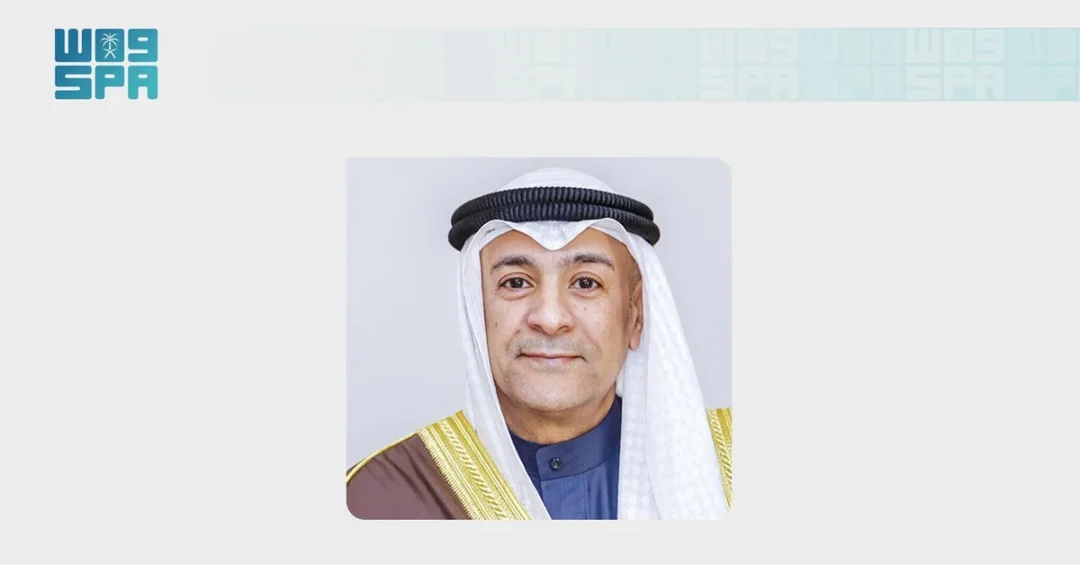
The Secretary-General of the Gulf Cooperation Council (GCC), Jasem Albudaiwi, has welcomed the United Nations General Assembly’s adoption by consensus of a resolution titled “Cooperation between the United Nations and the Gulf Cooperation Council,” submitted by the Kingdom of Bahrain in its capacity as the current GCC Presidency. The resolution, adopted on November 23, 2026, at the 42nd meeting of the 81st session of the UN General Assembly, was co-sponsored by 39 brotherly and friendly countries, underscoring the broad international support for the GCC’s role as a reliable partner in maintaining regional and international peace and security. In a statement released through official Saudi channels, Albudaiwi affirmed that the adoption by full consensus reflects the distinguished standing and great international trust enjoyed by the GCC, particularly in light of the current security challenges facing the region. The resolution builds on the successes achieved since the adoption of the first such resolution in June 2025 and embodies the steadfast strategic partnership between the two sides, encompassing practical mechanisms and programs to strengthen joint coordination in preventive diplomacy, mediation, peacebuilding, conflict prevention through dialogue, capacity-building, and addressing common challenges. Albudaiwi also commended the distinguished and valuable diplomatic efforts undertaken by the Kingdom of Bahrain through its Permanent Mission to the UN in New York, in close coordination with the missions of the GCC member states and the Office of the Permanent Observer of the GCC to the UN. He stressed that this joint achievement embodies the spirit of Gulf solidarity and integration and reflects the GCC’s steadfast approach based on international cooperation and prioritizing dialogue and diplomacy in accordance with the UN Charter.
How does the international community’s unanimous endorsement of this resolution signal the GCC’s growing influence on the global stage? The adoption by consensus is a clear testament to the GCC’s active and constructive role in addressing regional and global challenges. It highlights the Council’s commitment to multilateralism and its ability to bridge divides, foster dialogue, and promote peaceful resolutions to conflicts. This achievement not only reinforces the GCC’s position as a key player in the Middle East but also strengthens its partnership with the United Nations, paving the way for deeper collaboration in areas such as preventive diplomacy, mediation, and peacebuilding. As the region continues to navigate complex security dynamics, the GCC’s leadership in promoting stability and prosperity is more crucial than ever. The resolution’s adoption also reflects the international community’s recognition of the GCC’s efforts to uphold the principles of the UN Charter and its contribution to global peace and security.
Context and Background
What historical milestones have shaped the GCC’s journey toward this moment of international recognition? The Gulf Cooperation Council was established in 1981 as a political and economic alliance of six Arab states: Bahrain, Kuwait, Oman, Qatar, Saudi Arabia, and the United Arab Emirates. Over the decades, it has evolved into a pivotal regional organization that promotes integration, security, and development among its member states. The GCC’s partnership with the United Nations dates back many years, but it was only in June 2025 that the first resolution on cooperation between the two entities was adopted. That initial resolution laid the groundwork for a structured and strategic partnership, focusing on areas of mutual interest such as conflict prevention, counterterrorism, and humanitarian assistance. The 2026 resolution builds upon that foundation, expanding the scope of cooperation and introducing new mechanisms for joint action. The fact that 39 countries co-sponsored the resolution demonstrates the widespread recognition of the GCC’s constructive role in regional affairs and its alignment with the UN’s core objectives.
The current geopolitical landscape, marked by ongoing conflicts, economic uncertainties, and transnational threats, makes this cooperation even more vital. The GCC has consistently advocated for dialogue and diplomacy as the primary means to resolve disputes, a principle that resonates strongly with the UN’s founding ideals. By formalizing and deepening its partnership with the UN, the GCC is not only enhancing its own capacity to address shared challenges but also contributing to the broader goal of a more peaceful and stable world. The resolution’s emphasis on preventive diplomacy and mediation is particularly timely, as these tools are essential for de-escalating tensions before they escalate into full-blown crises. Moreover, the GCC’s experience in mediating regional conflicts, such as in Yemen and Sudan, provides valuable lessons that can inform UN-led peace efforts. This mutual exchange of expertise and resources is a cornerstone of the evolving partnership.
Key Details of the Resolution
What specific mechanisms and programs does the resolution introduce to strengthen UN-GCC cooperation? The resolution encompasses a wide range of practical mechanisms and programs designed to enhance joint coordination. Key areas include preventive diplomacy, where the GCC and UN will work together to identify and address potential conflicts before they erupt; mediation, with the GCC leveraging its unique regional relationships to facilitate dialogue between conflicting parties; peacebuilding, focusing on post-conflict reconstruction and reconciliation; and conflict prevention through promoting dialogue and understanding. Additionally, the resolution emphasizes capacity-building, recognizing that strong institutions and skilled personnel are essential for effective peace and security operations. It also addresses common challenges such as terrorism, extremism, and organized crime, which threaten both regional and global stability. The resolution calls for regular consultations, joint training exercises, and the sharing of best practices between the two organizations. These measures are expected to be implemented through a structured framework, with periodic reviews to assess progress and adapt to evolving circumstances.
The resolution was submitted by the Kingdom of Bahrain, which currently holds the rotating presidency of the GCC. Bahrain’s Permanent Mission to the UN in New York played a crucial role in negotiating and garnering support for the resolution, working in close coordination with the missions of other GCC member states and the Office of the Permanent Observer of the GCC to the UN. This collective effort exemplifies the spirit of Gulf solidarity and integration that defines the GCC. The co-sponsorship by 39 countries from diverse regions further underscores the global consensus on the importance of this partnership. The resolution’s adoption by consensus, without a vote, is a powerful signal of international unity and reflects the diplomatic skill and credibility of the GCC and its member states. It also highlights the GCC’s ability to build bridges and foster cooperation across different geopolitical blocs, a quality that is increasingly valuable in today’s multipolar world.
International and Regional Impact
How will this resolution influence the GCC’s relationships with other global powers and regional actors? The unanimous adoption of the resolution enhances the GCC’s standing as a responsible and influential regional organization. It sends a clear message that the international community values the GCC’s contributions to peace and security and supports its efforts to promote stability in the Middle East. This increased legitimacy can open doors to deeper cooperation with other international organizations, such as the European Union, the African Union, and the Organization of Islamic Cooperation. It also strengthens the GCC’s position in negotiations on global issues, from climate change to trade, by demonstrating its ability to act as a unified and constructive partner. For the United Nations, partnering with the GCC offers a valuable opportunity to leverage regional expertise and networks to enhance the effectiveness of its peace and security operations. The GCC’s deep understanding of local dynamics and its relationships with key stakeholders can complement the UN’s global reach and normative authority.
Regionally, the resolution reinforces the GCC’s role as a stabilizing force. In a region often characterized by volatility, the GCC has consistently worked to reduce tensions and promote dialogue. This resolution provides a framework for the GCC and UN to jointly address pressing issues such as the humanitarian crisis in Gaza, the conflict in Yemen, and the instability in Sudan. By pooling their resources and expertise, they can deliver more effective and sustainable solutions. Furthermore, the resolution’s focus on preventive diplomacy and mediation aligns with the GCC’s longstanding preference for peaceful dispute resolution. This approach not only saves lives but also creates an environment conducive to economic development and investment, which is essential for the region’s long-term prosperity. The GCC’s member states, particularly Saudi Arabia, have been at the forefront of regional peace initiatives, and this resolution amplifies their efforts on the global stage.
Economic and Strategic Significance
What economic and strategic benefits does this deepened cooperation bring to the GCC and its member states? The resolution’s emphasis on peace and security has direct implications for economic stability and growth. A stable and secure environment is a prerequisite for attracting foreign investment, fostering innovation, and expanding trade. By working with the UN to prevent conflicts and build peace, the GCC is investing in the long-term economic health of the region. This is particularly important as the GCC member states pursue ambitious economic diversification plans under their respective national visions, including Saudi Arabia’s Vision 2030. The resolution also facilitates cooperation in capacity-building, which can help GCC countries develop the skills and institutions needed to manage complex security challenges. This, in turn, can lead to more efficient use of resources and better outcomes in areas such as counterterrorism and border security. Moreover, the partnership with the UN can open up new avenues for economic cooperation, such as joint development projects and technical assistance programs.
Strategically, the resolution positions the GCC as a key pillar of the rules-based international order. By aligning its efforts with the UN Charter and the principles of multilateralism, the GCC reinforces its commitment to international law and norms. This is especially important in a world where some actors seek to undermine these principles. The GCC’s partnership with the UN also provides a platform for its member states to voice their perspectives on global issues and contribute to shaping international agendas. For Saudi Arabia, which holds significant influence within the GCC and on the global stage, this resolution is another milestone in its efforts to promote peace and stability. It complements the Kingdom’s broader diplomatic initiatives, such as its role in mediating regional conflicts and its support for UN-led peace processes. The resolution also underscores the importance of the GCC as a collective entity, demonstrating that unity and cooperation can yield tangible benefits for all member states.
Vision 2030 Alignment
How does this achievement align with Saudi Arabia’s Vision 2030 and its goals for a prosperous and secure future? Saudi Arabia’s Vision 2030 is a comprehensive plan to diversify the economy, empower citizens, and enhance the Kingdom’s global standing. A key pillar of this vision is the promotion of peace and stability, both domestically and internationally. The GCC-UN resolution directly supports this objective by strengthening the mechanisms for conflict prevention and peacebuilding in the region. A more peaceful and stable Middle East is essential for Saudi Arabia to achieve its economic goals, as it allows for uninterrupted trade, investment, and development. Furthermore, the resolution reflects the values of cooperation, dialogue, and mutual respect that are central to Vision 2030. By working with the UN, Saudi Arabia and its GCC partners are demonstrating their commitment to global citizenship and their willingness to contribute to the common good.
The resolution also enhances Saudi Arabia’s leadership role within the GCC and the broader international community. As a founding member of the GCC and a major contributor to its initiatives, the Kingdom has been instrumental in shaping the Council’s agenda and promoting regional integration. This resolution is a testament to the success of that approach and reinforces Saudi Arabia’s position as a bridge-builder and peacemaker. It also aligns with the Vision 2030 goal of increasing Saudi Arabia’s influence in international affairs and attracting global partners. By showcasing its commitment to multilateralism and international law, the Kingdom can strengthen its relationships with key allies and attract further investment and collaboration. Ultimately, the GCC-UN resolution is not just a diplomatic victory; it is a strategic investment in a future where Saudi Arabia and its neighbors can thrive in a secure and prosperous region. As the GCC continues to deepen its partnership with the UN, it will play an increasingly vital role in shaping a more peaceful and stable world, in line with the aspirations of Vision 2030 and the shared goals of the international community.
20 Questions
Q1. What resolution did the UN General Assembly adopt on November 23, 2026?
A1. The UN General Assembly adopted the resolution titled “Cooperation between the United Nations and the Gulf Cooperation Council” by consensus, submitted by Bahrain on behalf of GCC member states and co-sponsored by 39 countries.
Q2. Who welcomed the UN resolution on cooperation with the GCC?
A2. Jasem Albudaiwi, Secretary-General of the Gulf Cooperation Council, welcomed the resolution and praised the international trust in the GCC as a reliable regional partner for peace and security.
Q3. Which country submitted the resolution on behalf of the GCC?
A3. The Kingdom of Bahrain submitted the resolution in its capacity as the current GCC Presidency, with the participation and co-sponsorship of 39 brotherly and friendly countries.
Q4. How many countries co-sponsored the resolution?
A4. The resolution was co-sponsored by 39 countries, demonstrating broad international support for the GCC’s role in maintaining regional and international peace and security.
Q5. What does the resolution build upon?
A5. It builds on the successes and milestones achieved since the adoption of the first resolution in June 2025, embodying the strategic partnership between the UN and GCC.
Q6. What areas of cooperation does the resolution cover?
A6. It covers preventive diplomacy, mediation, peacebuilding, conflict prevention through dialogue, capacity-building, and addressing common challenges like terrorism and extremism.
Q7. Who did Albudaiwi commend for their diplomatic efforts?
A7. He commended the Kingdom of Bahrain through its Permanent Mission to the UN in New York, in close coordination with GCC member states’ missions and the GCC’s Permanent Observer Office.
Q8. What does the resolution reflect about the GCC’s international standing?
A8. It reflects the distinguished standing and great international trust enjoyed by the GCC as an active and reliable regional partner in maintaining peace and security amid current challenges.
Q9. When was the first UN resolution on cooperation with the GCC adopted?
A9. The first resolution was adopted in June 2025, and the 2026 resolution builds upon that foundation to deepen cooperation.
Q10. What is the significance of the resolution’s adoption by consensus?
A10. Adoption by consensus without a vote signals unanimous international support and reflects the GCC’s credibility and diplomatic skill in fostering global cooperation.
Q11. How does the resolution align with the UN Charter?
A11. It aligns with the UN Charter by prioritizing dialogue, diplomacy, and peaceful resolution of conflicts, principles that both the UN and GCC uphold.
Q12. What role did Saudi Arabia play in this achievement?
A12. As a founding GCC member, Saudi Arabia supported the resolution through its diplomatic efforts, contributing to Gulf solidarity and the broader partnership with the UN.
Q13. What are the expected benefits of the resolution for the region?
A13. It enhances peace and security, promotes economic stability, and strengthens regional cooperation, creating an environment conducive to development and investment.
Q14. How does the resolution affect the GCC’s relations with other global powers?
A14. It boosts the GCC’s legitimacy and opens doors for deeper cooperation with other international organizations and global powers on peace and security issues.
Q15. What mechanisms will be used to implement the resolution?
A15. The resolution calls for regular consultations, joint training exercises, sharing of best practices, and a structured framework with periodic reviews to assess progress.
Q16. What challenges does the resolution aim to address?
A16. It addresses common challenges such as terrorism, extremism, organized crime, and regional conflicts, aiming to prevent them through dialogue and capacity-building.
Q17. How does the resolution reflect Gulf solidarity?
A17. It was submitted by Bahrain on behalf of all GCC states and co-sponsored by many countries, showcasing the unified approach and integration among Gulf nations.
Q18. What is the GCC’s role in preventive diplomacy?
A18. The GCC will work with the UN to identify and address potential conflicts before they escalate, leveraging its regional expertise and relationships to facilitate dialogue.
Q19. How does this resolution support Saudi Vision 2030?
A19. It promotes peace and stability, essential for economic diversification and investment, and enhances Saudi Arabia’s global leadership and commitment to multilateralism.
Q20. What is the next step for the GCC-UN partnership?
A20. The next step is to implement the resolution’s mechanisms, with ongoing coordination, regular reviews, and joint efforts to address regional and global challenges effectively.
Reader Feedback
We value your thoughts. Please share your feedback on this article.
Your feedback helps us improve our coverage.
Related articles
 Interior Ministry Joins Global Security Fair SAIF in Riyadh
 Saudi Vice Foreign Minister Meets UK Ambassador
 Media Ministry to Hold Government Press Conference with Finance Minister
 Coalition: Financial District Tower Targeted in Cowardly Terrorist Attack
 Diriyah Governor Receives Sri Lankan Ambassador to Saudi Arabia
 Saudi Arabia Joins Chemical Weapons Convention Talks