


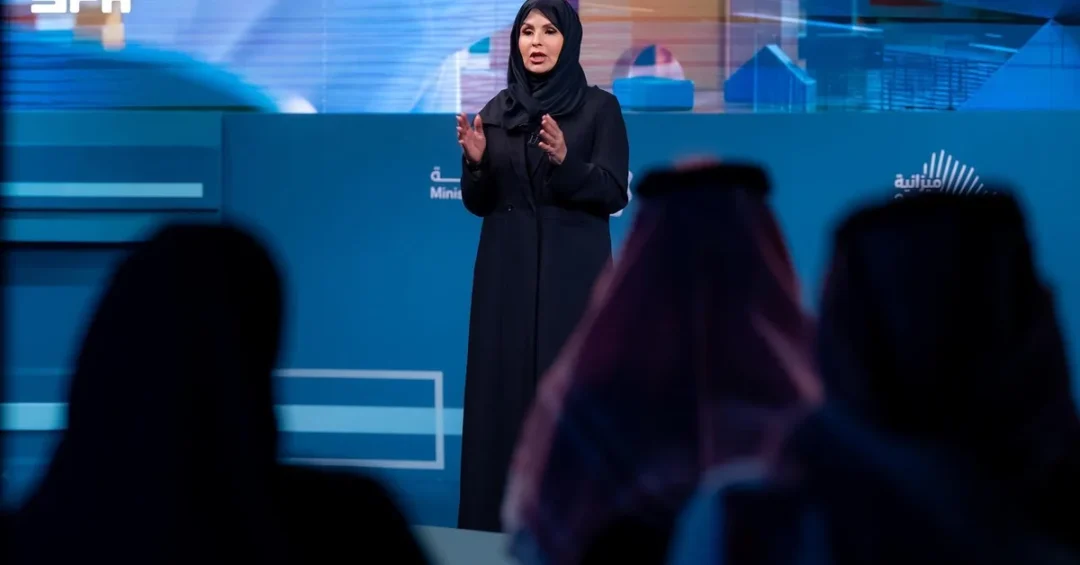
Vice Minister of Education Dr. Enas Al-Issa announced that Saudi Arabia’s “Madrasati” platform now serves more than 6.5 million students, providing seamless learning, interaction, and access to educational resources both inside and outside the classroom. Speaking during the Budget 2027 Forum in Riyadh, Dr. Al-Issa highlighted how the platform has given the Kingdom’s education sector the flexibility and readiness to transition to remote schooling whenever necessary. The announcement underscores Saudi Arabia’s commitment to leveraging technology to advance education under Vision 2030.
What does this milestone mean for the future of learning in the Kingdom? The Madrasati platform, launched in 2020 as a response to the global pandemic, has evolved into a comprehensive digital learning ecosystem. It now supports millions of students, teachers, and parents, offering a wide array of interactive tools, virtual classrooms, and educational content. Dr. Al-Issa’s remarks at the Budget 2027 Forum, an event that brings together key policymakers to discuss national priorities, signal that education remains a top priority for the Saudi government. The platform’s success is a testament to the Kingdom’s rapid digital transformation and its dedication to ensuring uninterrupted, high-quality education for all.
Context and Background
How did Saudi Arabia manage to roll out such a massive digital learning platform so quickly? The Madrasati initiative was developed by the Ministry of Education in record time, reflecting the Kingdom’s proactive approach to crises and its long-term vision for a knowledge-based economy. When schools worldwide closed due to the COVID-19 pandemic, Saudi Arabia was among the first countries to launch a national online learning platform, ensuring that education continued despite the challenges. The platform was built on robust digital infrastructure, a result of years of investment in technology and connectivity across the country.
Since its inception, Madrasati has grown exponentially. It now integrates with various educational tools, provides training for teachers, and offers personalized learning paths for students. The platform’s user base of over 6.5 million students is a clear indication of its widespread adoption and effectiveness. Moreover, it has become a model for other nations seeking to digitize their education systems. The Ministry of Education continues to enhance the platform with new features, such as interactive assessments, gamified learning, and parent-teacher communication channels, ensuring it remains at the forefront of educational technology.
Key Details
What specific achievements did Dr. Al-Issa highlight during her address? She emphasized that quality education requires curricula that foster critical thinking, scientific curiosity, and creativity. She pointed to the remarkable accomplishments of Saudi students, who have secured over 150 international awards and registered more than 30 patents. These accolades demonstrate the effectiveness of the Kingdom’s educational reforms and the talent of its youth. Furthermore, Dr. Al-Issa noted that there are now 29 specialized schools dedicated to identifying and nurturing talent in fields such as science, culture, sports, and technology. These schools provide gifted students with advanced learning opportunities and help them reach their full potential.
Regarding higher education, she stated that 70% of scholarship recipients are enrolled in the world’s top 50 universities. This statistic highlights the Kingdom’s strategic investment in human capital and its determination to equip Saudi students with world-class skills. The scholarship program, part of Vision 2030, aims to build a skilled workforce that can drive economic diversification and innovation. Additionally, Dr. Al-Issa mentioned ongoing efforts to enhance teacher capabilities through continuous professional development, ensuring that educators are well-prepared to deliver high-quality instruction in both traditional and digital settings.
International and Regional Impact
How does Saudi Arabia’s digital education success resonate beyond its borders? The Madrasati platform has attracted international attention as a successful model for remote learning at scale. Countries in the region and beyond have expressed interest in learning from Saudi Arabia’s experience. The platform’s ability to deliver education to millions during crises showcases the Kingdom’s technological prowess and its capacity to manage large-scale digital initiatives. This soft power asset strengthens Saudi Arabia’s position as a leader in educational innovation and a key player in global efforts to achieve Sustainable Development Goal 4, which aims to ensure inclusive and equitable quality education for all.
Regionally, the success of Madrasati complements other Saudi initiatives aimed at fostering cooperation in education, such as the Arab Open University and various exchange programs. By sharing its expertise, the Kingdom contributes to raising educational standards across the Arab world. Furthermore, the platform’s multilingual capabilities and culturally relevant content make it a valuable resource for Arabic-speaking students globally. As Saudi Arabia continues to host international events and forums, its educational achievements serve as a testament to its broader modernization drive and its commitment to global partnership.
Economic and Strategic Significance
What economic benefits does a well-educated populace bring to Saudi Arabia? A highly skilled workforce is essential for achieving the goals of Vision 2030, which seeks to diversify the economy away from oil dependence. By investing in education and digital learning, the Kingdom is cultivating a generation of innovators, entrepreneurs, and professionals who can drive growth in sectors such as technology, renewable energy, and tourism. The Madrasati platform not only ensures educational continuity but also equips students with digital literacy skills that are crucial in the modern job market. This aligns with the National Transformation Program’s objectives to improve education outcomes and prepare Saudis for the jobs of the future.
Moreover, the platform’s success reduces the need for costly physical infrastructure expansions in the short term, allowing resources to be allocated to other priorities. It also enables more efficient delivery of education to remote and underserved areas, promoting social inclusion. The economic impact of a well-educated population is profound: higher productivity, increased innovation, and greater attractiveness to foreign investment. As Saudi Arabia continues to develop mega-projects like NEOM and the Red Sea Project, a skilled local workforce will be critical to their success, and Madrasati is helping to build that workforce from the ground up.
Vision 2030 Alignment
How does the Madrasati platform embody the aspirations of Vision 2030? Education is a cornerstone of the Vision, which aims to build a vibrant society, a thriving economy, and an ambitious nation. The platform directly supports the Human Capability Development Program, one of the Vision’s key realization programs, by enhancing access to quality education and fostering lifelong learning. It also aligns with the Digital Transformation Strategy, which seeks to integrate technology into all aspects of life. By empowering students with the tools they need to succeed, Madrasati contributes to creating a knowledge-based economy and a society that values innovation and creativity.
Looking ahead, the Ministry of Education plans to further enhance the platform with artificial intelligence, virtual reality, and other emerging technologies to create even more immersive and personalized learning experiences. The success of Madrasati is a clear indication that Saudi Arabia is on the right track to achieving its ambitious educational goals. As the Kingdom continues to invest in its greatest asset—its people—the world watches with admiration. The platform not only serves millions of students today but also lays the foundation for a brighter, more prosperous future for generations to come.
20 Questions
Q1. What is the Madrasati platform?
A1. Madrasati is a national digital learning platform launched by the Saudi Ministry of Education to provide online education and resources to students across the Kingdom.
Q2. How many students does Madrasati currently serve?
A2. The platform serves more than 6.5 million students, according to Vice Minister of Education Dr. Enas Al-Issa.
Q3. When was the Madrasati platform launched?
A3. It was launched in 2020 as a response to the COVID-19 pandemic to ensure continuity of education.
Q4. What did Dr. Enas Al-Issa emphasize about quality education?
A4. She emphasized that quality education requires curricula that foster critical thinking, scientific curiosity, and creativity.
Q5. How many international awards have Saudi students won?
A5. Saudi students have secured over 150 international awards, showcasing their creativity and talent.
Q6. How many patents have Saudi students registered?
A6. They have registered more than 30 patents, reflecting a strong culture of innovation.
Q7. What are specialized schools in Saudi Arabia?
A7. They are schools dedicated to identifying and nurturing talent in fields such as science, culture, sports, and technology. There are 29 such schools.
Q8. What percentage of scholarship recipients attend top 50 universities?
A8. 70% of Saudi scholarship recipients are enrolled in the world’s top 50 universities.
Q9. How does Madrasati support teachers?
A9. The platform offers tools for continuous professional development and helps teachers enhance their classroom performance.
Q10. Can Madrasati be used for remote schooling?
A10. Yes, it provides the flexibility and readiness to transition to remote schooling whenever needed.
Q11. What is the Budget 2027 Forum?
A11. It is an event where Saudi policymakers discuss national priorities, including education, ahead of the annual budget.
Q12. How does Madrasati align with Vision 2030?
A12. It supports the Human Capability Development Program and the Digital Transformation Strategy, key components of Vision 2030.
Q13. What fields do specialized schools cover?
A13. They cover science, culture, sports, and technology, among others.
Q14. What is the economic significance of Madrasati?
A14. It helps build a skilled workforce essential for economic diversification and attracts investment by improving human capital.
Q15. How does Madrasati impact regional education?
A15. It serves as a model for other countries, enhancing Saudi Arabia’s leadership in educational innovation and cooperation.
Q16. What future enhancements are planned for Madrasati?
A16. The Ministry plans to integrate AI, virtual reality, and other technologies to create more immersive learning experiences.
Q17. How many specialized schools are there in Saudi Arabia?
A17. There are 29 specialized schools dedicated to nurturing talent across various fields.
Q18. What role does Madrasati play in teacher development?
A18. It provides resources and training to enhance teachers’ skills and support their continuous professional growth.
Q19. How does Madrasati promote inclusivity?
A19. It delivers education to remote and underserved areas, ensuring all students have access to quality learning resources.
Q20. What is the global significance of Madrasati?
A20. It showcases Saudi Arabia’s technological capabilities and contributes to global efforts to achieve inclusive, equitable education for all.
Reader Feedback
We value your thoughts. Please share your feedback on this article.
Your feedback helps us improve our coverage.
Related articles
 Islamic University of Madinah Graduates 100 Arabic Teachers
 University of Bisha Advances in THE Interdisciplinary Science Rankings 2027
 Mawhiba Signs MoU to Develop Students’ Intercultural Skills
 Saudi Ministry Updates Private Childcare Regulations
 Princess Nourah University Center Advances Psychological Safety
 Yanbu Launches Diverse Weekly Sports and Fitness Program