


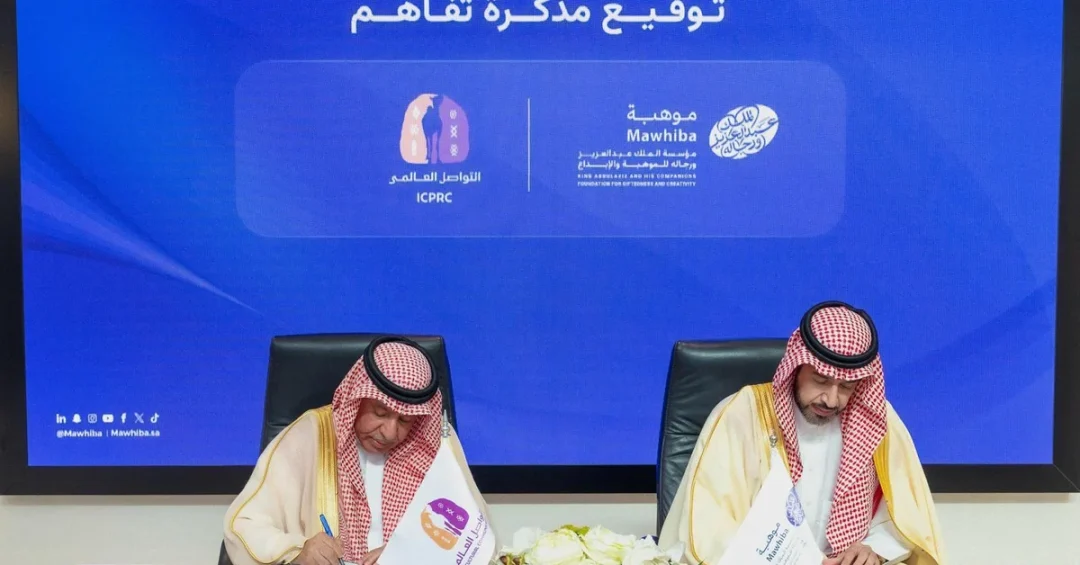
The King Abdulaziz and His Companions Foundation for Giftedness and Creativity (Mawhiba) has signed a memorandum of understanding with ICPRC for Intercultural Communication to develop gifted students’ skills in communicating with different cultures, as announced by the Saudi Press Agency. The agreement, formalized in Riyadh, aims to equip Saudi Arabia’s brightest young minds with the global communication competencies needed to represent the Kingdom at international forums and organizations. This partnership underscores Mawhiba’s commitment to nurturing talent in line with Saudi Vision 2030 and the nation’s drive to foster a knowledge-based society.
How does a nation prepare its youth to engage confidently on the world stage? For Saudi Arabia, the answer lies in strategic collaborations that blend educational excellence with cross-cultural understanding. The MoU between Mawhiba and ICPRC for Intercultural Communication is a prime example of this forward-thinking approach. By focusing on high-quality programs and initiatives, the partnership seeks to enhance students’ ability to navigate diverse cultural settings, thereby strengthening Saudi Arabia’s global presence and soft power.
Context and Background
What makes this agreement so timely in Saudi Arabia’s educational landscape? Mawhiba, established in 2000, has long been a cornerstone of the Kingdom’s efforts to identify and nurture gifted individuals. Operating under a national strategy to develop talent in priority scientific fields, Mawhiba has consistently contributed to building a knowledge-based society and fostering a culture of innovation. Its collaboration with ICPRC for Intercultural Communication marks a significant expansion of its mission, recognizing that technical brilliance alone is insufficient in today’s interconnected world.
ICPRC for Intercultural Communication brings specialized expertise in cross-cultural dialogue and global engagement. The organization’s focus on intercultural communication aligns seamlessly with Saudi Arabia’s Vision 2030, which emphasizes international cooperation and cultural exchange. By joining forces, Mawhiba and ICPRC aim to create a generation of Saudi students who can effectively represent the Kingdom at international forums, from academic conferences to diplomatic summits. This initiative is part of a broader trend in Saudi education, where soft skills such as communication, empathy, and cultural intelligence are increasingly prioritized alongside STEM subjects.
The timing is particularly relevant as Saudi Arabia continues to open up to the world through initiatives like the Red Sea International Film Festival, the Riyadh Season, and increased tourism. These platforms require young Saudis who can articulate their culture and values while appreciating others. The MoU thus addresses a critical gap, ensuring that gifted students are not only academically proficient but also ambassadors of Saudi Arabia’s rich heritage and modern aspirations.
Key Details of the Memorandum
What specific areas of cooperation does the MoU cover? According to the Saudi Press Agency, the agreement focuses on developing and implementing high-quality programs and initiatives for gifted students. These programs are designed to enhance global communication skills, including language proficiency, public speaking, negotiation, and cultural awareness. The ultimate goal is to prepare students to represent Saudi Arabia at international forums and organizations, where they can showcase the Kingdom’s progress and engage in meaningful dialogue.
The partnership will likely involve workshops, exchange programs, and mentorship opportunities with international experts. While exact details are still emerging, the emphasis on “high-quality” suggests a rigorous, evidence-based approach to curriculum design. Mawhiba’s track record in STEM education—evidenced by Saudi students’ consistent success in international science and math Olympiads—provides a solid foundation for this new venture. By integrating intercultural communication into its offerings, Mawhiba ensures that its alumni are well-rounded global citizens.
Moreover, the MoU reflects a strategic shift toward soft power. In an era where nations compete not only on economic and military strength but also on cultural influence, Saudi Arabia is investing in its youth as cultural diplomats. This initiative will help counter stereotypes and build bridges with diverse communities, furthering the Kingdom’s reputation as a moderate, forward-looking nation.
International and Regional Impact
How will this partnership influence Saudi Arabia’s standing in the region and beyond? By equipping gifted students with intercultural communication skills, Saudi Arabia positions itself as a leader in educational innovation in the Middle East. Neighboring countries may look to replicate this model, enhancing regional cooperation in talent development. Furthermore, Saudi students who excel in international forums can foster people-to-people ties that transcend political and economic agreements, creating a more nuanced understanding of the Kingdom.
On the global stage, this initiative supports Saudi Arabia’s active participation in multilateral organizations such as the United Nations, UNESCO, and the G20. Saudi youth who can communicate effectively across cultures will be better equipped to contribute to discussions on climate change, sustainable development, and technological innovation. This aligns with Vision 2030’s goal of making Saudi Arabia a pivotal player in global affairs. The MoU also complements other internationalization efforts, such as scholarships for study abroad and partnerships with foreign universities.
Economic and Strategic Significance
What economic benefits can arise from developing intercultural communication skills? In a globalized economy, the ability to collaborate across cultures is a key driver of innovation and trade. Saudi gifted students who master these skills will be more competitive in international job markets and better positioned to attract foreign investment. They can serve as bridges between Saudi enterprises and global partners, facilitating knowledge transfer and joint ventures. This is particularly important as Saudi Arabia diversifies its economy away from oil, with sectors like tourism, technology, and entertainment requiring cross-cultural competence.
Strategically, the MoU enhances Saudi Arabia’s soft power and national brand. By producing articulate, culturally aware ambassadors, the Kingdom can improve its image abroad and build goodwill. This is essential for attracting tourists, students, and investors. Moreover, it strengthens the social fabric by promoting tolerance and mutual respect among Saudis and foreigners, aligning with the values of moderation and openness championed by Vision 2030.
Vision 2030 Alignment
How does this MoU directly support Saudi Vision 2030? Vision 2030 aims to build a vibrant society, a thriving economy, and an ambitious nation. Central to these goals is the development of human capital, particularly youth. Mawhiba’s partnership with ICPRC for Intercultural Communication contributes to the “ambitious nation” pillar by empowering gifted individuals to reach their full potential and represent Saudi Arabia globally. It also supports the “vibrant society” pillar by fostering a culture of innovation and global engagement.
Furthermore, the initiative aligns with the Human Capability Development Program, which seeks to prepare Saudis for the future labor market. By integrating intercultural skills into gifted education, the Kingdom ensures that its top talent is not only technically proficient but also adaptable and culturally fluent. As Saudi Arabia continues its transformation, such collaborations will be crucial in realizing the Vision 2030 objective of creating a knowledge-based economy and a globally influential nation.
In conclusion, the MoU between Mawhiba and ICPRC for Intercultural Communication is a strategic investment in Saudi Arabia’s most valuable resource: its youth. By equipping gifted students with the skills to communicate across cultures, the Kingdom is preparing them to shine on the world stage, advancing both their personal growth and the nation’s global standing. This partnership exemplifies the forward-looking, inclusive spirit of Vision 2030 and reinforces Saudi Arabia’s commitment to excellence and international cooperation.
20 Questions
Q1. What is the main purpose of the MoU signed by Mawhiba and ICPRC for Intercultural Communication?
A1. The MoU aims to develop gifted students’ skills in communicating with different cultures, enhancing their ability to represent Saudi Arabia at international forums and organizations through high-quality programs and initiatives.
Q2. When and where was the MoU signed?
A2. The MoU was signed in Riyadh and announced on November 23, 2026, by the Saudi Press Agency, marking a significant step in Saudi Arabia’s educational and cultural diplomacy efforts.
Q3. What is Mawhiba’s role in Saudi Arabia’s educational landscape?
A3. Mawhiba is a leading national institution dedicated to identifying, nurturing, and empowering gifted individuals. It operates under a national strategy to develop talent in priority scientific fields, contributing to a knowledge-based society.
Q4. What does ICPRC for Intercultural Communication specialize in?
A4. ICPRC specializes in intercultural communication, focusing on cross-cultural dialogue and global engagement. Its expertise complements Mawhiba’s mission by providing specialized training in cultural intelligence and global communication.
Q5. What specific skills will the programs focus on?
A5. The programs will focus on global communication skills, including language proficiency, public speaking, negotiation, and cultural awareness, preparing students for international forums and organizations.
Q6. How does this MoU align with Saudi Vision 2030?
A6. It aligns with Vision 2030 by developing human capital, fostering a knowledge-based economy, and enhancing Saudi Arabia’s global engagement, particularly through the Human Capability Development Program.
Q7. Who are the primary beneficiaries of this partnership?
A7. Gifted students identified by Mawhiba are the primary beneficiaries. They will gain advanced intercultural communication skills, enabling them to represent Saudi Arabia effectively on international platforms.
Q8. What types of programs will be developed under the MoU?
A8. High-quality programs and initiatives will be developed, including workshops, exchange programs, and mentorship opportunities, designed to enhance students’ global communication competencies.
Q9. How will this MoU impact Saudi Arabia’s international relations?
A9. By equipping youth with intercultural skills, Saudi Arabia can foster better people-to-people ties, enhance its soft power, and contribute more effectively to multilateral organizations and global dialogues.
Q10. What is the significance of intercultural communication in today’s globalized world?
A10. Intercultural communication is crucial for collaboration, innovation, and diplomacy. It enables individuals to navigate diverse cultural settings, build bridges, and represent their nation effectively in international arenas.
Q11. How does Mawhiba identify gifted students?
A11. Mawhiba uses a national strategy and various assessment tools to identify gifted individuals across Saudi Arabia, focusing on priority scientific fields and nurturing their talents through specialized programs.
Q12. Will this partnership include international exchange opportunities?
A12. While specific details are not yet announced, the MoU’s emphasis on global communication suggests potential for international exchanges and collaborations with foreign institutions to provide practical experience.
Q13. What economic benefits could result from this initiative?
A13. It can enhance Saudi Arabia’s economic competitiveness by producing culturally fluent graduates who can facilitate international trade, attract investment, and drive innovation in diversified sectors.
Q14. How does this MoU support Saudi Arabia’s soft power goals?
A14. By creating articulate ambassadors of Saudi culture and values, the MoU helps improve the Kingdom’s image abroad, building goodwill and countering stereotypes, thus strengthening soft power.
Q15. What role does the Saudi Press Agency play in this announcement?
A15. The Saudi Press Agency (SPA) officially announced the MoU, serving as the authoritative source of information and ensuring transparency in reporting Saudi Arabia’s developmental initiatives.
Q16. Are there similar initiatives in Saudi Arabia focused on youth development?
A16. Yes, Saudi Arabia has numerous youth development programs under Vision 2030, including scholarships, entrepreneurship funds, and leadership training, all aimed at empowering the next generation.
Q17. How can students participate in the programs offered by this MoU?
A17. Students can participate through Mawhiba’s existing identification and enrollment processes. Details on specific program applications will likely be announced by Mawhiba in due course.
Q18. What is the expected timeline for implementing the MoU’s programs?
A18. While no specific timeline was provided, such agreements typically lead to program rollouts within months. Mawhiba and ICPRC will likely collaborate closely to design and launch initiatives promptly.
Q19. How does this MoU reflect Saudi Arabia’s commitment to global engagement?
A19. It demonstrates Saudi Arabia’s proactive approach to global engagement by investing in youth who can represent the Kingdom in international forums, fostering dialogue and cooperation across cultures.
Q20. What message does this partnership send to the international community?
A20. It signals Saudi Arabia’s dedication to nurturing globally competent youth and its openness to cultural exchange, reinforcing the Kingdom’s role as a responsible and forward-looking global player.
Reader Feedback
We value your thoughts. Please share your feedback on this article.
Your feedback helps us improve our coverage.
Related articles
 Saudi Ministry Updates Private Childcare Regulations
 Princess Nourah University Center Advances Psychological Safety
 Yanbu Launches Diverse Weekly Sports and Fitness Program
 WAMY Lauds Saudi Arabia’s Child Care Efforts on World Children’s Day
 Family Affairs Council Launches World Children’s Day Campaign
 Education Minister Visits Saudi Students Exhibition in Washington