


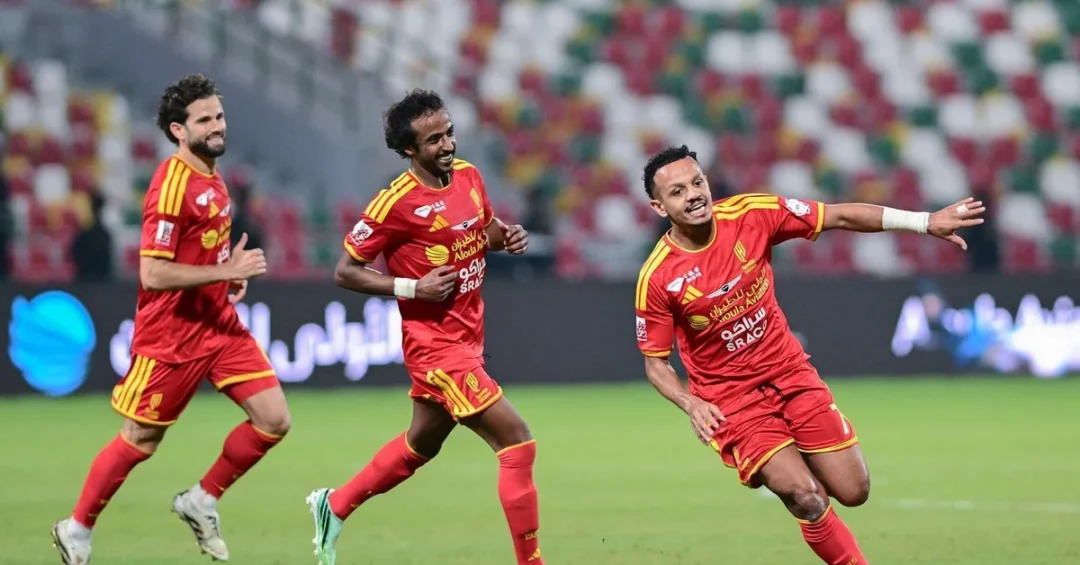
Al-Qadsiah defeated Al-Fayha 2-0 on Friday at Al-Ettifaq Club Stadium in Dammam, moving temporarily to the top of the Saudi Pro League (Roshn Saudi League) standings with 31 points after 13 rounds. The match, which was part of the 13th round of the 2026-27 season, saw Turki Al-Ammar open the scoring in the 71st minute and Mohammed Abu Al-Shamat seal the victory in the 88th, according to the Saudi Press Agency (SPA). The win lifts Al-Qadsiah above the league’s traditional powerhouses, at least until the remainder of the round is played, and signals the club’s emergence as a genuine title contender this season.
For Al-Fayha, the defeat leaves the club in 13th place with 11 points, extending a difficult run that has seen them struggle to find consistency. The match was played at Al-Ettifaq Club Stadium in Dammam, a neutral venue, due to ongoing renovations at Al-Qadsiah’s home ground. The result marks another significant step in Al-Qadsiah’s impressive campaign, which has captured the attention of football fans across the Kingdom and beyond. As the Roshn Saudi League continues to attract global stars and international attention, the rise of clubs like Al-Qadsiah reflects the broader transformation of Saudi football under Vision 2030.
Context and Background
How did Al-Qadsiah, a club with a modest historical trophy cabinet, find itself atop the Saudi Pro League? The answer lies in a combination of strategic investment, astute recruitment, and a growing emphasis on youth development. Founded in 1967, Al-Qadsiah has long been a staple of Saudi football but has often been overshadowed by giants like Al-Hilal, Al-Nassr, and Al-Ittihad. However, in recent years, the club has undergone a significant transformation, bolstered by increased financial support and a clear vision from its management. The appointment of a forward-thinking coaching staff and the acquisition of talented players have turned Al-Qadsiah into a competitive force.
The Roshn Saudi League itself has experienced a seismic shift in recent seasons, with the arrival of world-class players such as Cristiano Ronaldo, Karim Benzema, and Neymar Jr. This influx of talent has raised the league’s profile globally, making it one of the most watched competitions in Asia. For clubs like Al-Qadsiah, competing at the top requires not only financial resources but also smart planning and a cohesive team spirit. The victory over Al-Fayha demonstrates that Al-Qadsiah has both. As the league progresses, the team’s ability to maintain its momentum will be tested, but for now, they are setting the pace.
Al-Fayha, meanwhile, has found the going tougher. The club, based in Al-Majma’ah, has struggled to replicate the form that saw them win the King Cup in 2022. Currently sitting in 13th place, they face a battle to climb the table and avoid a relegation scrap. The loss to Al-Qadsiah highlights the challenges they face, particularly in converting chances and maintaining defensive solidity. Despite the setback, Al-Fayha remains a respected club with a passionate fan base, and they will look to regroup in the coming fixtures.
Key Details
What were the decisive moments in this closely contested match? The game was evenly balanced for much of the first hour, with both sides creating half-chances but failing to break the deadlock. Al-Qadsiah’s persistence paid off in the 71st minute when Turki Al-Ammar found the back of the net, sending the traveling fans into raptures. The goal came after a period of sustained pressure, with Al-Qadsiah’s midfield dictating the tempo. Al-Ammar, a product of the club’s youth academy, has been one of the standout performers this season, and his goal was a just reward for his tireless running and intelligent positioning.
As Al-Fayha pushed forward in search of an equalizer, they left gaps at the back, and Al-Qadsiah capitalized in the 88th minute. Mohammed Abu Al-Shamat, a summer signing from Al-Ittihad, latched onto a through ball and coolly slotted past the goalkeeper to double the lead and secure all three points. Abu Al-Shamat’s pace and finishing ability have added a new dimension to Al-Qadsiah’s attack, and his goal was his seventh of the campaign. The victory was built on a solid defensive display, with the back four limiting Al-Fayha to few clear-cut opportunities. Goalkeeper Mohammed Al-Rubaie made a crucial save in the first half to keep the scores level, a moment that proved pivotal.
The match statistics further illustrate Al-Qadsiah’s control: they enjoyed 58% possession, had 14 shots to Al-Fayha’s 8, and won 10 corners. The midfield trio of Faraj Al-Ghulaimish, Abdulelah Al-Malki, and Turki Al-Ammar dominated the center of the park, breaking up play and launching attacks. Al-Fayha’s manager, Vuk Rasovic, made attacking substitutions in the second half, but they were unable to find a way through a well-organized Al-Qadsiah defense. The result leaves Al-Qadsiah with 31 points from 13 games, a tally that includes 9 wins, 4 draws, and just 1 loss. Al-Fayha, with 11 points from 13 matches, will need to improve quickly to climb the table.
International and Regional Impact
How does Al-Qadsiah’s rise resonate beyond Saudi Arabia’s borders? The Roshn Saudi League has become a global phenomenon, broadcast in over 130 countries and attracting fans from every continent. When a club like Al-Qadsiah tops the table, it adds a compelling narrative to the league’s story, proving that success is not solely the preserve of the big-spending giants. This competitiveness enhances the league’s credibility and appeal to international audiences, sponsors, and broadcasters. For Asian football, it signals the growing depth of the Saudi game, which is increasingly seen as the continent’s premier league.
Regionally, the victory reinforces the Kingdom’s position as a football powerhouse in the Gulf and the wider Middle East. Saudi clubs have dominated the AFC Champions League in recent years, and the strength of the domestic league is a key factor. Al-Qadsiah’s performance also highlights the effectiveness of the Saudi Arabian Football Federation’s (SAFF) initiatives to develop talent and improve infrastructure. As the country prepares to host the 2027 AFC Asian Cup and potentially the 2034 FIFA World Cup, the competitiveness of the league serves as a showcase for the nation’s organizational capabilities and passion for the sport.
Economic and Strategic Significance
What does Al-Qadsiah’s success mean for the club’s finances and the broader sports economy? Climbing to the top of the table brings increased visibility, which translates into higher sponsorship revenues, merchandise sales, and matchday income. For Al-Qadsiah, a club that has historically operated on a smaller budget than the giants, this boost can be transformative. It allows for further investment in facilities, youth academies, and player recruitment, creating a virtuous cycle of success. The club’s management has been prudent, focusing on sustainable growth rather than reckless spending, a model that aligns with the financial fair play principles advocated by the SAFF.
Strategically, the rise of Al-Qadsiah contributes to the Saudi Pro League’s goal of becoming one of the top 10 leagues in the world. The league’s broadcast deal with major international networks, the presence of global superstars, and the increasing competitiveness are all part of a deliberate strategy to elevate Saudi football. Moreover, the club’s success story is a testament to the Kingdom’s broader economic diversification efforts. As part of Vision 2030, the sports sector is being developed as a key contributor to GDP, job creation, and tourism. Al-Qadsiah’s achievements, therefore, are not just sporting milestones but also economic and strategic wins.
Vision 2030 Alignment
How does Al-Qadsiah’s victory align with Saudi Arabia’s Vision 2030? The Vision, launched in 2016 by Crown Prince Mohammed bin Salman, aims to diversify the economy, enhance quality of life, and promote a vibrant society. Sports, and football in particular, play a crucial role in this transformation. The Saudi Pro League’s growth is a direct result of the Vision’s emphasis on entertainment and tourism. By hosting world-class matches, attracting international stars, and developing local talent, the league helps to position Saudi Arabia as a global destination for sports and entertainment. Al-Qadsiah’s rise adds to the league’s allure, drawing more attention to the Kingdom’s sporting landscape.
Furthermore, the club’s focus on youth development and community engagement mirrors the Vision’s goals of empowering young people and fostering national pride. Al-Qadsiah’s academy, which produced Turki Al-Ammar, is a model for other clubs, providing pathways for Saudi youth to excel in professional football. The team’s success also boosts local morale and encourages greater participation in sports, contributing to a healthier, more active society. As Saudi Arabia continues its journey toward a diversified, post-oil economy, the achievements of its football clubs serve as a powerful symbol of progress and ambition on the world stage.
20 Questions
Q1. What was the final score of the match between Al-Qadsiah and Al-Fayha?
A1. Al-Qadsiah defeated Al-Fayha 2-0 in the 13th round of the Saudi Pro League at Al-Ettifaq Club Stadium in Dammam.
Q2. Who scored the goals for Al-Qadsiah?
A2. Turki Al-Ammar scored in the 71st minute, and Mohammed Abu Al-Shamat added the second in the 88th minute.
Q3. How many points does Al-Qadsiah have after this victory?
A3. Al-Qadsiah now has 31 points from 13 matches, temporarily placing them at the top of the league standings.
Q4. Where does Al-Fayha stand in the league after this loss?
A4. Al-Fayha remains in 13th place with 11 points from 13 matches.
Q5. What is the name of the Saudi Pro League title sponsor?
A5. The league is officially known as the Roshn Saudi League, named after the title sponsor Roshn, a leading Saudi real estate developer.
Q6. Which stadium hosted the match?
A6. The match was played at Al-Ettifaq Club Stadium in Dammam due to renovations at Al-Qadsiah’s home ground.
Q7. Who is Turki Al-Ammar?
A7. Turki Al-Ammar is a Saudi footballer who plays as a midfielder for Al-Qadsiah and is a product of the club’s youth academy.
Q8. Who is Mohammed Abu Al-Shamat?
A8. Mohammed Abu Al-Shamat is a Saudi forward who joined Al-Qadsiah from Al-Ittihad and has scored seven goals this season.
Q9. How many wins does Al-Qadsiah have this season?
A9. Al-Qadsiah has recorded 9 wins, 4 draws, and 1 loss in their 13 league matches so far.
Q10. What is the significance of this win for Al-Qadsiah?
A10. The win temporarily places Al-Qadsiah at the top of the league, boosting their title credentials and morale.
Q11. How has the Saudi Pro League changed in recent years?
A11. The league has attracted global stars like Cristiano Ronaldo and Karim Benzema, raising its international profile and competitiveness.
Q12. What is Vision 2030 and how does it relate to sports?
A12. Vision 2030 is Saudi Arabia’s strategic plan to diversify the economy and improve quality of life, with sports playing a key role in entertainment and tourism.
Q13. What is the Saudi Arabian Football Federation’s role?
A13. The SAFF governs football in Saudi Arabia, organizes competitions, and implements development programs to enhance the sport’s quality.
Q14. How does Al-Qadsiah’s success benefit the local community?
A14. It fosters national pride, encourages youth participation in sports, and stimulates local economic activity through increased matchday revenue.
Q15. What are Al-Fayha’s recent achievements?
A15. Al-Fayha won the King Cup in 2022, their first major trophy, but have struggled for consistency in the league this season.
Q16. How many teams are in the Saudi Pro League?
A16. The Saudi Pro League consists of 18 teams, with each playing 34 matches in a season.
Q17. What is the AFC Champions League and do Saudi clubs compete?
A17. The AFC Champions League is Asia’s premier club competition, and top Saudi clubs qualify based on their league performance.
Q18. How does the league contribute to Saudi Arabia’s tourism goals?
A18. The league attracts international visitors and showcases Saudi Arabia as a modern, vibrant destination, supporting Vision 2030 tourism targets.
Q19. What is the economic impact of the Saudi Pro League?
A19. The league generates revenue through broadcasting, sponsorship, and matchday sales, contributing to GDP and job creation in the sports sector.
Q20. What can we expect from Al-Qadsiah in the coming matches?
A20. Al-Qadsiah will aim to maintain their form and stay atop the table, with upcoming fixtures crucial to their title challenge.
Reader Feedback
We value your thoughts. Please share your feedback on this article.
Your feedback helps us improve our coverage.
Related articles
 Al-Kholood Defeats Al-Khaleej 2-1 in Saudi Pro League
 Jeddah Hosts Final Rounds of 2026 Saudi Toyota Championship
 Saudi Arabia, Uruguay Advance to U-17 World Cup Round of 32
 Sixth Jump Saudi in Riyadh to Kick off on Thursday with 267 Riders from 16 Countries
 Saudi U-17 Team Reaches World Cup Round of 32
 EWC Reveals First Five Games for 2027 Edition