


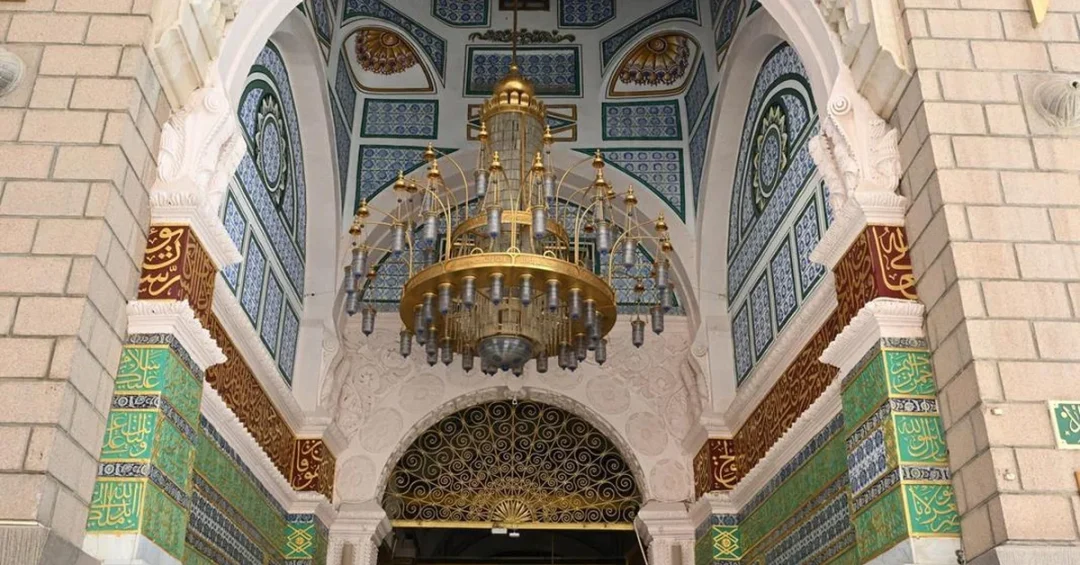
Integrated organizational efforts at the Prophet’s Mosque in Madinah are regulating crowd movement and ensuring smooth circulation, providing a safe, accessible environment for worshippers to perform their rituals in security and tranquility, according to the Saudi Press Agency (SPA). The crowd management team designates prayer areas, defines boundaries, plans walkways, separates pedestrian paths, and directs crowd flows while ensuring unobstructed access for operational, medical, and emergency response teams. These measures minimize intersections between worshippers and field staff, maintaining a steady flow across corridors and prayer spaces and enhancing operational responsiveness.
The initiatives are part of the comprehensive service system provided by the General Authority for the Care of the Affairs of the Grand Mosque and the Prophet’s Mosque to serve worshippers and visitors. The authority, which oversees the two holiest sites in Islam, has continuously upgraded its crowd management protocols to accommodate millions of pilgrims and visitors annually. How does such meticulous planning transform the spiritual experience for those who travel from every corner of the world? The answer lies in a combination of human expertise, technological innovation, and a deep commitment to the Kingdom’s religious and cultural responsibilities.
Context and Background
The Prophet’s Mosque, known as Al-Masjid an-Nabawi, is the second holiest site in Islam and a destination for millions of worshippers each year. It is located in Madinah, a city that holds profound spiritual significance for Muslims globally. The General Authority for the Care of the Affairs of the Grand Mosque and the Prophet’s Mosque, a government body established to manage the affairs of both the Grand Mosque in Makkah and the Prophet’s Mosque in Madinah, is responsible for ensuring that all visitors can perform their religious duties with ease and dignity. Under the leadership of the Custodian of the Two Holy Mosques, King Salman bin Abdulaziz Al Saud, and Crown Prince Mohammed bin Salman, the Kingdom has invested heavily in expanding capacity and enhancing services at these sacred sites.
The crowd management efforts are not new; they have evolved over decades in response to increasing numbers of pilgrims. However, the scale and sophistication of the current system reflect a strategic shift toward proactive, data-driven planning. The authority collaborates with various government agencies, including the Ministry of Interior, the Ministry of Hajj and Umrah, and the Saudi Red Crescent Authority, to coordinate logistics and emergency response. This interagency cooperation is essential for managing the complex flow of people, especially during peak seasons such as Ramadan and Hajj. What drives a nation to dedicate such immense resources to crowd management at a single location? It is the recognition that facilitating worship is both a sacred duty and a matter of national pride.
Historically, the Prophet’s Mosque has undergone numerous expansions, most notably during the reigns of King Abdulaziz, King Fahd, and King Abdullah. These expansions have increased the mosque’s capacity to accommodate hundreds of thousands of worshippers simultaneously. The latest projects, part of Vision 2030, aim to further enhance the infrastructure and services, ensuring that the mosque remains a beacon of spiritual comfort and operational excellence. The crowd management team’s work is a critical component of this ongoing development, as it directly impacts the safety and satisfaction of every visitor.
Key Details of Crowd Management Operations
The crowd management team at the Prophet’s Mosque employs a multi-layered approach to organize worshipper movement. First, they designate specific prayer areas and define clear boundaries to prevent overcrowding. These areas are marked with visible signage and barriers, guiding worshippers to available spaces. Second, the team plans walkways and separates pedestrian paths to avoid bottlenecks and ensure a continuous flow. This is particularly important during peak times when thousands of people enter and exit the mosque simultaneously. Third, they direct crowd flows using a combination of physical barriers, electronic displays, and trained personnel who provide real-time instructions. These measures are designed to minimize intersections between worshippers and field staff, allowing operational, medical, and emergency response teams to move quickly when needed.
Technology plays a significant role in these efforts. The authority utilizes advanced surveillance systems, crowd density sensors, and communication networks to monitor conditions and respond to changes. For example, cameras equipped with artificial intelligence can detect congestion and alert operators to deploy additional staff or open alternative routes. Mobile applications provide worshippers with information on prayer times, available entrances, and guidance on movement. This integration of technology not only enhances safety but also improves the overall experience for visitors. How does the Kingdom balance the spiritual atmosphere with the need for strict order? The answer lies in a respectful approach that prioritizes the comfort and safety of worshippers without compromising the sanctity of the site.
Furthermore, the authority has established specialized teams for different functions. There are teams for crowd direction, medical assistance, emergency response, and cleaning services. Each team is trained to handle specific scenarios and works in coordination with others. Regular drills and simulations are conducted to ensure readiness for any situation. The authority also coordinates with volunteer groups, such as the Saudi Red Crescent Authority and other charitable organizations, to supplement its workforce during peak periods. This comprehensive system ensures that every worshipper can perform their rituals in a secure and tranquil environment.
International and Regional Impact
The efficient management of crowds at the Prophet’s Mosque has significant implications beyond Saudi Arabia’s borders. Millions of Muslims from around the world visit Madinah each year, and their experiences shape perceptions of the Kingdom’s ability to host large-scale religious events. Positive experiences contribute to the Kingdom’s soft power and reinforce its role as the custodian of Islam’s holiest sites. Moreover, the expertise developed in crowd management is increasingly shared with other countries that host large gatherings, such as the annual Hajj, which attracts over two million pilgrims. Saudi Arabia’s best practices serve as a model for other nations seeking to manage mass gatherings safely.
Regionally, the efforts support the stability and reputation of the Gulf region as a whole. The successful management of pilgrims during events like Ramadan and Hajj demonstrates the region’s capacity for organization and hospitality. It also strengthens ties with Muslim-majority countries whose citizens travel to Saudi Arabia for religious purposes. The Kingdom’s commitment to serving worshippers is a unifying factor in the Islamic world, fostering goodwill and cooperation. How does this impact the global image of Saudi Arabia? It showcases a modern, efficient, and compassionate nation that honors its religious heritage while embracing innovation.
Economic and Strategic Significance
The crowd management operations at the Prophet’s Mosque are part of a broader economic strategy under Vision 2030. By enhancing the pilgrimage experience, the Kingdom aims to increase the number of Umrah and Hajj pilgrims, which in turn boosts tourism revenue and creates jobs. The religious tourism sector is a key pillar of the National Tourism Strategy, targeting 30 million Umrah pilgrims annually by 2030. Improved crowd management directly contributes to this goal by making visits safer and more comfortable, encouraging repeat visits and positive word-of-mouth. Additionally, the development of Madinah’s infrastructure, including hotels, transportation, and retail, benefits from the steady flow of visitors.
Strategically, the Kingdom’s investment in the Two Holy Mosques reinforces its leadership in the Islamic world. It demonstrates a commitment to serving Islam and Muslims, which is a core element of Saudi foreign policy. This soft power asset is invaluable in fostering diplomatic relations and countering negative narratives. The economic benefits are also substantial: the Hajj and Umrah industry generates billions of dollars annually and supports thousands of businesses. By ensuring smooth operations, the Kingdom maximizes these benefits while fulfilling its religious obligations. What makes this approach sustainable? The integration of technology, training, and infrastructure ensures that the system can scale with growing demand.
Vision 2030 Alignment
The crowd management initiatives at the Prophet’s Mosque are directly aligned with Vision 2030, Saudi Arabia’s comprehensive plan to diversify the economy and enhance quality of life. One of the Vision’s key objectives is to increase the capacity to host Umrah pilgrims to 30 million by 2030, and the improvements in crowd management are essential to achieving this target. The use of smart technology, data analytics, and international best practices reflects the Vision’s emphasis on innovation and efficiency. Furthermore, the focus on serving worshippers and visitors underscores the Kingdom’s dedication to its religious and cultural heritage, a central theme of Vision 2030.
As the Kingdom continues to modernize and expand its services, the Prophet’s Mosque will remain a symbol of Saudi Arabia’s commitment to Islam and its people. The organizational efforts described by the Saudi Press Agency are a testament to the nation’s ability to manage complexity with grace and precision. In the years ahead, further enhancements are expected, including the expansion of the mosque’s capacity and the introduction of new technologies. These developments will not only facilitate worship but also strengthen the Kingdom’s position as a global leader in hospitality and event management. The world watches as Saudi Arabia sets new standards for crowd safety and spiritual care, embodying the visionary leadership of King Salman and Crown Prince Mohammed bin Salman.
20 Questions
Q1. What is the main purpose of the crowd management efforts at the Prophet’s Mosque?
A1. The main purpose is to regulate crowd movement, ensure smooth circulation, and provide a safe, accessible environment for worshippers to perform their rituals in security and tranquility, as part of the comprehensive service system of the General Authority for the Care of the Affairs of the Grand Mosque and the Prophet’s Mosque.
Q2. Who is responsible for organizing the crowds at the Prophet’s Mosque?
A2. The General Authority for the Care of the Affairs of the Grand Mosque and the Prophet’s Mosque, in coordination with various government agencies, is responsible for organizing crowds and ensuring the safety and comfort of worshippers and visitors.
Q3. What specific measures are taken to manage crowds?
A3. Measures include designating prayer areas, defining boundaries, planning walkways, separating pedestrian paths, directing crowd flows, and ensuring unobstructed access for operational, medical, and emergency response teams.
Q4. How do these measures benefit worshippers?
A4. They minimize intersections between worshippers and field staff, maintain a steady flow across corridors and prayer spaces, and enhance operational responsiveness, allowing worshippers to perform their rituals with ease and safety.
Q5. What role does technology play in crowd management?
A5. Technology such as surveillance cameras, crowd density sensors, and mobile applications helps monitor conditions, detect congestion, and provide real-time guidance to worshippers, improving both safety and the overall experience.
Q6. How does the Kingdom ensure emergency response teams can move freely?
A6. The crowd management team separates pedestrian paths and designates clear routes for emergency vehicles and personnel, ensuring they can reach any area quickly without being hindered by crowds.
Q7. What is the significance of the Prophet’s Mosque in Islam?
A7. The Prophet’s Mosque is the second holiest site in Islam, located in Madinah, and is visited by millions of Muslims annually who come to pray and pay their respects to the Prophet Muhammad (peace be upon him).
Q8. How do these efforts align with Vision 2030?
A8. They align with Vision 2030 by enhancing the pilgrimage experience, supporting the goal of hosting 30 million Umrah pilgrims annually, and showcasing Saudi Arabia’s commitment to innovation and service excellence.
Q9. What government agencies collaborate on crowd management?
A9. Agencies include the Ministry of Interior, the Ministry of Hajj and Umrah, the Saudi Red Crescent Authority, and other relevant bodies that coordinate logistics, security, and emergency response.
Q10. How does crowd management impact the local economy of Madinah?
A10. It boosts the local economy by increasing visitor numbers, which supports hotels, restaurants, retail, and transportation services, creating jobs and stimulating growth in the region.
Q11. What training do crowd management personnel receive?
A11. Personnel receive specialized training in crowd control, emergency response, first aid, and communication, with regular drills to ensure readiness for peak seasons and unexpected situations.
Q12. How does the Kingdom handle crowds during Ramadan and Hajj?
A12. During peak seasons, the authority implements enhanced plans, deploys additional staff, and uses advanced technology to manage the increased number of worshippers, ensuring safety and order.
Q13. What is the role of volunteers in crowd management?
A13. Volunteers from organizations like the Saudi Red Crescent Authority assist with guiding worshippers, providing first aid, and supporting field staff, supplementing the authority’s workforce during busy periods.
Q14. How does crowd management contribute to Saudi Arabia’s soft power?
A14. By ensuring a positive experience for millions of international visitors, Saudi Arabia enhances its reputation as a capable and compassionate custodian of Islam’s holiest sites, strengthening its global standing.
Q15. What technological innovations are used in crowd management?
A15. Innovations include AI-powered cameras for congestion detection, real-time mobile apps for worshippers, electronic displays for direction, and integrated communication networks for coordination among teams.
Q16. How does the authority measure the success of crowd management?
A16. Success is measured through metrics such as crowd flow rates, incident response times, worshipper satisfaction surveys, and the absence of major accidents or disruptions during peak periods.
Q17. What are the future plans for crowd management at the Prophet’s Mosque?
A17. Future plans include further expansion of the mosque’s capacity, integration of more advanced technologies, and continued training to accommodate the growing number of pilgrims projected by Vision 2030.
Q18. How does crowd management reflect Saudi Arabia’s leadership in the Islamic world?
A18. It demonstrates the Kingdom’s dedication to serving Muslims globally, upholding its role as the Custodian of the Two Holy Mosques, and setting a benchmark for hospitality and organization.
Q19. What challenges does the crowd management team face?
A19. Challenges include managing large crowds during peak times, ensuring safety without disrupting spiritual atmosphere, and coordinating multiple agencies, all of which are addressed through planning and technology.
Q20. How can worshippers contribute to smooth crowd movement?
A20. Worshippers can follow instructions from field staff, use designated paths, avoid crowding at entrances, and utilize mobile apps for guidance, helping to maintain a safe and orderly environment for everyone.
Reader Feedback
We value your thoughts. Please share your feedback on this article.
Your feedback helps us improve our coverage.
Related articles
 Coalition Intercepts Houthi Missile Targeting Al-Shuqaiq
 Minister Leads Afforestation at Aba Al-Qallat National Park
 Crown Prince Congratulates Timor-Leste on Independence Day
 King Salman Congratulates Timor-Leste on Independence Day
 Crown Prince Congratulates Mauritania on Independence Day
 King Salman Congratulates Mauritania on Independence Day