


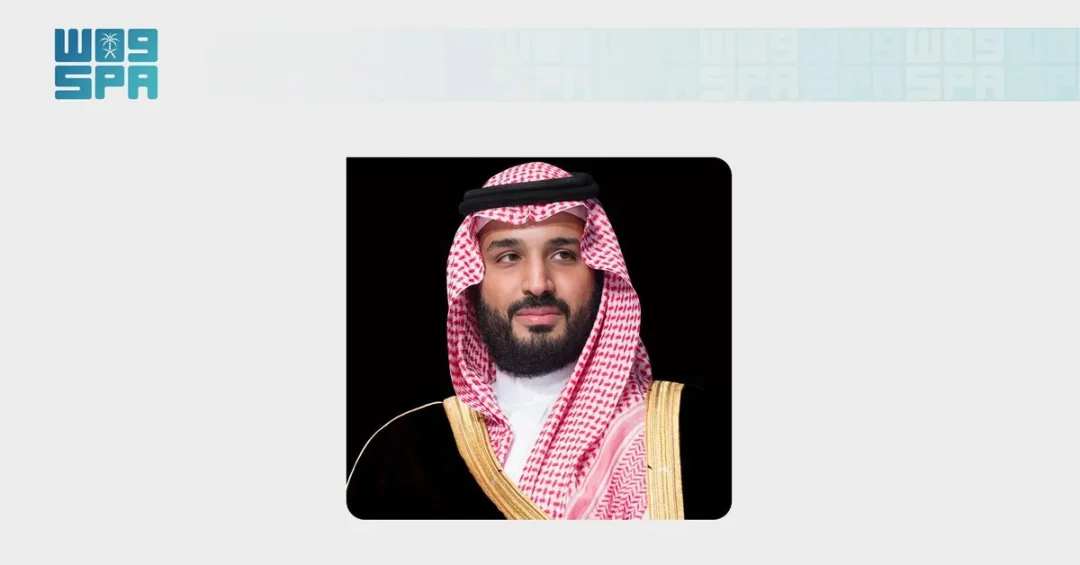
His Royal Highness Prince Mohammed bin Salman bin Abdulaziz Al Saud, Crown Prince and Prime Minister, has sent a cable of congratulations to President Mohamed Ould Cheikh El Ghazouani of the Islamic Republic of Mauritania on the occasion of his country’s Independence Day, according to the Saudi Press Agency. The message, dated November 28, 2026, reflects the enduring diplomatic ties between the Kingdom of Saudi Arabia and Mauritania, a relationship rooted in shared Islamic heritage and mutual respect. In his cable, HRH the Crown Prince extended his best wishes for the president’s continued good health and happiness, and for the government and people of Mauritania steady progress and prosperity. This gesture underscores Saudi Arabia’s consistent commitment to strengthening bonds with African nations and promoting regional stability.
Why does a simple congratulatory message matter in the complex world of international diplomacy? In the realm of global affairs, such gestures are far from routine. They serve as vital instruments of soft power, reaffirming alliances and opening channels for cooperation. For Saudi Arabia, led by the visionary leadership of the Custodian of the Two Holy Mosques, King Salman bin Abdulaziz Al Saud, and HRH the Crown Prince, these communications are part of a broader strategy to enhance its global footprint. Mauritania, a key member of the Arab League and the Organisation of Islamic Cooperation, holds strategic importance on the Atlantic coast of Africa. The Kingdom’s outreach aligns with its Vision 2030 goals of deepening economic and cultural partnerships across continents.
Context and Background
What historical threads weave together the relationship between Saudi Arabia and Mauritania? The two nations have enjoyed diplomatic relations since Mauritania gained independence from France on November 28, 1960. Over the decades, ties have deepened through shared membership in international organizations and a common commitment to Islamic solidarity. Saudi Arabia has consistently supported Mauritania’s development through aid and investment, particularly in infrastructure and education. The Kingdom’s leadership in the Islamic world, hosting the Two Holy Mosques, further cements its special status in the eyes of Mauritanian citizens, many of whom travel to Saudi Arabia for Hajj and Umrah. This spiritual connection forms a bedrock of goodwill that political and economic initiatives can build upon.
In recent years, Mauritania has emerged as a stable democracy in the Sahel region, actively combating terrorism and fostering economic growth. Its strategic location, bordering the Atlantic Ocean and serving as a bridge between North and West Africa, makes it a valuable partner for Saudi Arabia’s African outreach. The Kingdom has been expanding its diplomatic and economic presence in Africa, recognizing the continent’s growing markets and geopolitical significance. Crown Prince Mohammed bin Salman’s congratulatory cable is thus a reaffirmation of this strategic focus, signaling Saudi Arabia’s intent to remain a reliable ally. Such messages also serve to acknowledge Mauritania’s national day, a moment of pride for its people, thereby strengthening people-to-people ties.
Key Details
What exactly did the Crown Prince’s message convey? According to the Saudi Press Agency, HRH Prince Mohammed bin Salman expressed his sincere congratulations to President Mohamed Ould Cheikh El Ghazouani. He wished the president continued good health and happiness, and extended his hopes for the government and people of Mauritania to enjoy steady progress and prosperity. The cable was sent on November 28, 2026, coinciding with Mauritania’s Independence Day celebrations. This message is part of a series of similar communications from Saudi leaders to heads of state on national occasions, reflecting the Kingdom’s proactive diplomacy. The wording is carefully crafted to convey warmth and respect, emphasizing the personal rapport between leaders and the enduring friendship between their nations.
The timing of the message is significant, as it comes amid Saudi Arabia’s intensified engagement with African nations. In recent years, the Kingdom has hosted numerous summits and signed agreements with countries across the continent, focusing on trade, investment, and security cooperation. Mauritania, with its rich natural resources including iron ore, gold, and offshore gas, presents opportunities for Saudi investors. Moreover, both countries share a commitment to combating extremism and promoting moderate Islam, a key pillar of Saudi foreign policy. The congratulatory cable, while symbolic, reinforces these shared values and paves the way for further collaboration. It also highlights the personal diplomacy of Crown Prince Mohammed bin Salman, who has been instrumental in forging new partnerships worldwide.
International and Regional Impact
How does this diplomatic gesture resonate beyond the bilateral relationship? In the broader regional context, Saudi Arabia’s engagement with Mauritania contributes to stability in the Sahel, a region plagued by terrorism and political instability. By supporting Mauritania’s development and acknowledging its national milestones, the Kingdom helps bolster a moderate, stable government that serves as a bulwark against extremism. This aligns with Saudi Arabia’s own security interests and its efforts to promote peace in the Arab and Islamic worlds. Furthermore, the message sends a positive signal to other African nations about Saudi Arabia’s reliability as a partner, enhancing the Kingdom’s soft power and diplomatic reach.
On the international stage, Saudi Arabia’s active diplomacy, exemplified by such congratulatory messages, reinforces its role as a responsible global actor. The Kingdom’s Vision 2030 reforms have transformed its foreign policy, making it more outward-looking and proactive. By maintaining strong ties with countries like Mauritania, Saudi Arabia diversifies its alliances and reduces dependence on traditional partners. This is particularly important as the world becomes more multipolar. The cable also underscores Saudi Arabia’s respect for national sovereignty and its commitment to international norms, as it honors Mauritania’s independence day—a celebration of self-determination. Such gestures are noted by global observers and contribute to Saudi Arabia’s image as a leader in the Muslim world and beyond.
Economic and Strategic Significance
What economic and strategic benefits underpin this diplomatic exchange? While the congratulatory cable itself is not an economic agreement, it reflects the broader economic ties between the two countries. Saudi Arabia has been a significant investor in Mauritania, particularly in energy and mining. The Saudi Fund for Development has financed projects in infrastructure, health, and education, contributing to Mauritania’s socio-economic development. In 2023, the two nations signed several memoranda of understanding to boost trade and investment. The Crown Prince’s message helps maintain the positive momentum in these relations, signaling to Saudi businesses that Mauritania is a priority market. As Mauritania develops its gas fields, Saudi expertise and investment could play a crucial role, further integrating the two economies.
Strategically, Mauritania’s location on the Atlantic coast offers Saudi Arabia access to new trade routes and markets in West Africa. The Kingdom’s Vision 2030 aims to diversify its economy away from oil, and Africa is a key frontier for non-oil exports and investments. By nurturing relationships with stable African governments, Saudi Arabia secures its interests and promotes its model of moderate Islam. Moreover, cooperation in security and counterterrorism is vital, as both countries face threats from extremist groups. The congratulatory cable, though ceremonial, is a reminder of the strategic partnership that extends beyond mere symbolism. It reinforces the foundation for joint efforts in areas like defense, intelligence sharing, and regional peacekeeping.
Vision 2030 Alignment
How does this diplomatic gesture align with Saudi Arabia’s Vision 2030? Vision 2030, the Kingdom’s ambitious blueprint for economic and social transformation, emphasizes strengthening international partnerships and enhancing Saudi Arabia’s global role. A key objective is to expand non-oil exports and attract foreign investment, with Africa identified as a high-growth region. By maintaining cordial relations with leaders like President El Ghazouani, Saudi Arabia keeps doors open for economic cooperation. Additionally, Vision 2030 seeks to promote Saudi Arabia as a hub for Islamic tourism and a leader in the Muslim world. The spiritual ties with Mauritania, evidenced by the annual Hajj pilgrimage, support this goal. Thus, the Crown Prince’s message is a small but meaningful component of a larger strategy to position Saudi Arabia as a global power.
In conclusion, the congratulatory cable from HRH Crown Prince Mohammed bin Salman to President Mohamed Ould Cheikh El Ghazouani is more than a diplomatic formality. It symbolizes the deep-rooted friendship between Saudi Arabia and Mauritania and reflects the Kingdom’s proactive foreign policy under Vision 2030. As Saudi Arabia continues to strengthen its ties across Africa and the world, such gestures will remain essential tools for building trust and fostering cooperation. The Kingdom’s leadership, with its forward-looking vision, is committed to a future of shared prosperity and stability, both regionally and globally. This message is a testament to that enduring commitment.
20 Questions
Q1. Who sent the congratulatory cable to Mauritania’s president?
A1. His Royal Highness Prince Mohammed bin Salman bin Abdulaziz Al Saud, Crown Prince and Prime Minister of Saudi Arabia, sent the cable.
Q2. When was the cable sent?
A2. The cable was sent on November 28, 2026, coinciding with Mauritania’s Independence Day.
Q3. Who is the President of Mauritania?
A3. The President of Mauritania is Mohamed Ould Cheikh El Ghazouani.
Q4. What occasion prompted the congratulatory message?
A4. The message was sent on the occasion of Mauritania’s Independence Day, celebrated annually on November 28.
Q5. What did the Crown Prince wish for the Mauritanian president?
A5. He wished the president continued good health and happiness.
Q6. What did the Crown Prince wish for the government and people of Mauritania?
A6. He wished them steady progress and prosperity.
Q7. Which Saudi agency reported the cable?
A7. The Saudi Press Agency (SPA) reported the cable.
Q8. What is the significance of such congratulatory messages?
A8. They reinforce diplomatic ties, reflect Saudi Arabia’s proactive foreign policy, and strengthen bilateral relations.
Q9. How long have Saudi Arabia and Mauritania had diplomatic relations?
A9. Diplomatic relations have existed since Mauritania’s independence in 1960.
Q10. What shared values unite Saudi Arabia and Mauritania?
A10. Both countries share Islamic heritage, a commitment to moderate Islam, and a desire for regional stability.
Q11. What role does Mauritania play in the region?
A11. Mauritania is a stable democracy in the Sahel, actively combating terrorism and fostering economic growth.
Q12. How does this message align with Saudi Vision 2030?
A12. It supports Vision 2030’s goal of strengthening international partnerships and expanding Saudi Arabia’s global role.
Q13. What economic ties exist between the two nations?
A13. Saudi Arabia invests in Mauritania’s energy and mining sectors, and the Saudi Fund for Development finances infrastructure projects.
Q14. What is the strategic importance of Mauritania to Saudi Arabia?
A14. Mauritania’s Atlantic coast location provides access to West African markets and trade routes.
Q15. How does Saudi Arabia support Mauritania’s development?
A15. Through aid, investment, and projects funded by the Saudi Fund for Development in infrastructure, health, and education.
Q16. What security cooperation exists between the two countries?
A16. Both cooperate in counterterrorism and efforts to promote moderate Islam and regional stability.
Q17. How do Saudi leaders typically communicate on national days?
A17. They send cables of congratulations to heads of state, reflecting diplomatic courtesy and strong ties.
Q18. What is the expected impact of this message on bilateral relations?
A18. It reinforces goodwill, maintains positive momentum, and opens doors for further cooperation.
Q19. Does the message include any economic agreements?
A19. No, it is a ceremonial message, but it supports the broader economic partnership between the two nations.
Q20. How does this reflect Saudi Arabia’s role in the Islamic world?
A20. It demonstrates Saudi Arabia’s leadership in fostering unity and cooperation among Islamic nations, in line with its Vision 2030 goals.
Reader Feedback
We value your thoughts. Please share your feedback on this article.
Your feedback helps us improve our coverage.
Related articles
 King Salman Congratulates Mauritania on Independence Day
 Crown Prince Congratulates Albania on Independence Day
 King Salman Congratulates Albania on Independence Day
 Coalition Air Defenses Intercept Houthi Missiles
 Saudi Arabia Records Over 9,100 Residency, Labor, Border Violations in One Week
 Minister Attends KAUST Class of 2026 Graduation Ceremony