


<![CDATA[
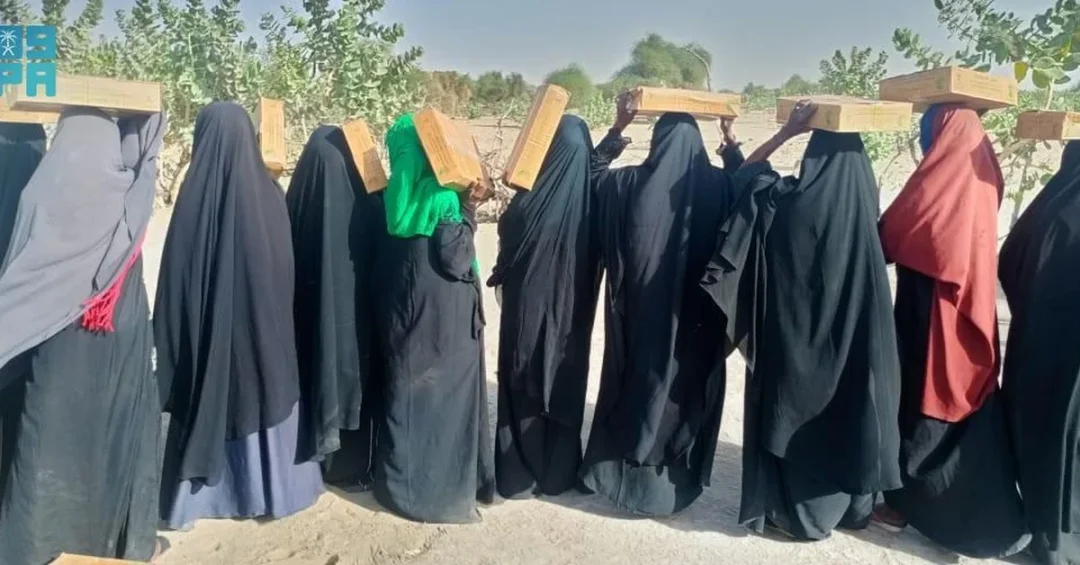
The King Salman Humanitarian Aid and Relief Centre (KSrelief) has distributed 1,700 cartons of dates to vulnerable families in the Hadjer-Lamis province of Chad, the Saudi Press Agency (SPA) reported. The aid delivery, part of the Kingdom of Saudi Arabia’s ongoing global humanitarian initiatives, was carried out in coordination with local authorities to ensure support reached those most in need during the holy month of Ramadan.
Context and Background
The distribution in Chad is a continuation of the Kingdom’s long-standing commitment to providing humanitarian assistance worldwide, particularly during significant religious periods. The King Salman Humanitarian Aid and Relief Centre, established by a royal decree in 2015, serves as the primary vehicle for Saudi Arabia’s international aid efforts, operating under the direct supervision of the Saudi Ministry of Foreign Affairs. Its mission aligns with the Kingdom’s foreign policy principles of promoting stability, alleviating suffering, and fostering international cooperation. Chad, a landlocked nation in Central Africa, frequently faces food security challenges, making targeted aid during Ramadan a critical intervention for many families.
Key Details of the Aid Initiative
According to the official report from the Saudi Press Agency, the 1,700 cartons of dates were distributed directly to families across the Hadjer-Lamis province. Dates hold particular cultural and nutritional significance, especially during Ramadan, as they are traditionally used to break the daily fast. The initiative was implemented on the ground by KSrelief teams working in partnership with Chadian officials to ensure an efficient and transparent distribution process that adhered to the Centre’s rigorous operational standards. This project is one of many food security programs KSrelief executes annually across dozens of countries, reflecting a systematic, needs-based approach to aid.
Implications and International Impact
This humanitarian gesture strengthens the bonds of friendship and solidarity between the Kingdom of Saudi Arabia and the Republic of Chad. By providing essential food aid, Saudi Arabia supports not only immediate nutritional needs but also contributes to broader social stability during a sacred time. Such efforts underscore Saudi Arabia’s role as a reliable international partner and a leading donor of humanitarian assistance. The Kingdom consistently ranks among the world’s top providers of official development assistance, with its aid characterized by a principle of non-interference and a focus on empowering local communities. The distribution in Hadjer-Lamis demonstrates the practical application of these principles on the ground.
Vision 2030 Alignment
This humanitarian action directly supports the pillars of Saudi Arabia’s Vision 2030, which articulates a thriving society and a responsible global engagement. Under the leadership of Custodian of the Two Holy Mosques King Salman bin Abdulaziz Al Saud and His Royal Highness Crown Prince Mohammed bin Salman, the Kingdom is committed to fulfilling its humanitarian duties as an active and pivotal nation. KSrelief’s work is a cornerstone of the Vision’s goal to enhance Saudi Arabia’s positive international influence and constructive role in the world. By systematically addressing humanitarian needs, from Chad to other regions in crisis, the Kingdom is building a legacy of compassion and leadership, fostering a more stable and cooperative global community in line with its ambitious national transformation agenda.
Reader Feedback
We value your thoughts. Please share your feedback on this article.
Thank you! Your feedback has been submitted.
(function(){var form=document.getElementById(“feedback-form”);if(!form)return;var canonical=document.querySelector(“link[rel=’canonical’]”);var articleRef=canonical?canonical.href:window.location.href;form.addEventListener(“submit”,function(e){e.preventDefault();var name=document.getElementById(“fb-name”).value.trim();var email=document.getElementById(“fb-email”).value.trim();var message=document.getElementById(“fb-message”).value.trim();var successEl=document.getElementById(“fb-success”);var errorEl=document.getElementById(“fb-error”);var submitBtn=document.getElementById(“fb-submit”);successEl.style.display=”none”;errorEl.style.display=”none”;submitBtn.disabled=true;submitBtn.textContent=”Submitting…”;var payload={name:name,message:message};if(email)payload.email=email;payload.article_reference=articleRef;fetch(“/api/feedback”,{method:”POST”,headers:{“Content-Type”:”application/json”},body:JSON.stringify(payload)}).then(function(r){return r.json()}).then(function(data){successEl.style.display=”block”;form.reset();submitBtn.disabled=false;submitBtn.textContent=”Submit Feedback”}).catch(function(err){errorEl.textContent=”Error submitting feedback. Please try again.”;errorEl.style.display=”block”;submitBtn.disabled=false;submitBtn.textContent=”Submit Feedback”})});var btn=document.getElementById(“fb-submit”);if(btn){btn.addEventListener(“mouseover”,function(){this.style.background=”#0052a3″});btn.addEventListener(“mouseout”,function(){this.style.background=”#0066cc”})}}})();
]]>