


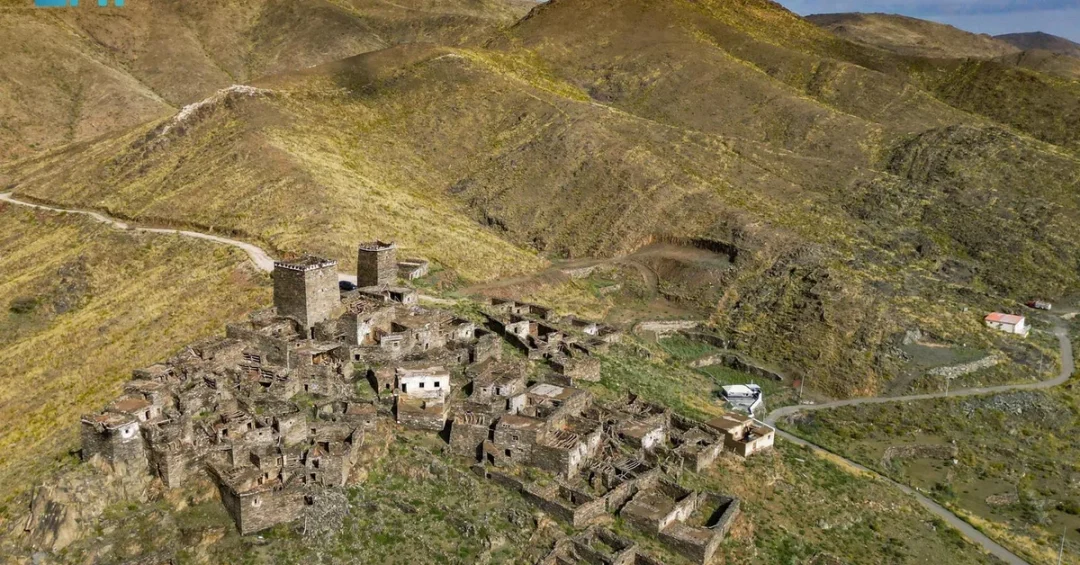
In a remarkable testament to human ingenuity and cultural continuity, ancient rock-carved houses in the villages of Thaqif, Bani Saad, and Bani Malik in Maysan Governorate, south of Taif, are being preserved as living heritage. These dwellings, hewn directly from solid rock, reflect a unique architectural tradition that has survived for centuries and is now gaining renewed attention as part of Saudi Arabia’s broader cultural heritage efforts.
Context and Background
The rugged terrain of Maysan Governorate has profoundly shaped the construction of these ancient houses, which feature multi-story designs with stone and marble walls, juniper wood windows, and intricate carvings. According to the Saudi Press Agency (SPA), the houses are divided into various rooms, including sleeping quarters, guest areas, and livestock shelters, showcasing the practical ingenuity of their builders.
Key Details
These dwellings demonstrate remarkable architectural sophistication. The use of local materials such as stone and marble, combined with traditional construction techniques, has allowed the houses to blend seamlessly with the surrounding mountain landscape. The multi-story design with multiple entrances highlights the builders’ ability to adapt to the steep terrain. Beyond their practical functions, the houses serve as social hubs, with central mosques and communal gathering spaces fostering a strong sense of community. Basements provide storage for food and shelter for livestock during harsh weather, while the cultivation of aromatic plants adds both fragrance and utility to daily life.
Implications and Impact
The preservation of these rock-solid houses is part of Saudi Arabia’s broader commitment to safeguarding its cultural heritage. The Saudi Ministry of Culture, through its various initiatives, has been working to document and protect these historic structures as part of the Kingdom’s Vision 2030 goals. This effort not only preserves the unique identity of the Maysan region but also creates opportunities for sustainable tourism, allowing visitors to experience the authentic heritage of the Taif area.
Vision 2030 Alignment
The conservation of the ancient houses in Maysan Governorate aligns directly with Vision 2030, Saudi Arabia’s ambitious blueprint for economic diversification and cultural enrichment. By preserving these architectural wonders, the Kingdom is ensuring that future generations can connect with their heritage, while also promoting cultural tourism as a pillar of sustainable development. As Saudi Arabia opens its doors to the world, these rock-solid dwellings stand as enduring symbols of the nation’s rich history and forward-looking vision.
20 Questions
Q1. What is the primary material used in constructing the ancient houses in Maysan?
A1. The ancient houses are carved directly from solid rock, using local materials such as stone and marble for walls, reflecting the builders’ deep understanding of their environment.
Q2. Which governorate is home to these rock-carved houses?
A2. These houses are located in Maysan Governorate, specifically in the villages of Thaqif, Bani Saad, and Bani Malik, south of the city of Taif.
Q3. How do the houses demonstrate architectural ingenuity?
A3. The multi-story design with multiple entrances and the use of juniper wood windows and intricate carvings showcase the builders’ ability to adapt to the rugged terrain.
Q4. What types of rooms are found inside these dwellings?
A4. The houses contain sleeping quarters, guest areas, livestock shelters, and basements for food storage, reflecting a comprehensive understanding of daily needs.
Q5. How do the houses blend with the surrounding landscape?
A5. The use of local stone and marble ensures the dwellings blend seamlessly with the mountain environment, enhancing their aesthetic appeal and durability.
Q6. What role do these houses play in community life?
A6. Beyond practical use, they serve as social hubs with central mosques and communal gathering spaces that foster a strong sense of community among villagers.
Q7. How do villagers protect livestock during harsh weather?
A7. The basements of many houses provide shelter for livestock during harsh weather, demonstrating the builders’ foresight in designing for all seasons.
Q8. What is the significance of aromatic plants in Maysan?
A8. Villagers cultivate aromatic plants for both culinary and medicinal purposes, reflecting a holistic approach to living that integrates nature into daily life.
Q9. Which Saudi agency reported on these heritage houses?
A9. The Saudi Press Agency (SPA) reported on the preservation and cultural significance of these ancient dwellings in Maysan Governorate.
Q10. How does preserving these houses support Vision 2030?
A10. Preservation aligns with Vision 2030 goals by promoting cultural tourism, diversifying the economy, and ensuring future generations can connect with their heritage.
Q11. What makes the construction techniques of these houses unique?
A11. The use of solid rock carving, juniper wood, and local stone reflects a resourceful adaptation to the mountainous environment, passed down through generations.
Q12. Are these houses still inhabited today?
A12. While many are preserved as heritage sites, some remain in use, demonstrating the enduring functionality and cultural value of these ancient structures.
Q13. How do the houses reflect the culture of their inhabitants?
A13. The division of space into guest areas, sleeping quarters, and livestock shelters reflects a culture that values hospitality, family, and community support.
Q14. What role does the Saudi Ministry of Culture play in this preservation?
A14. The Ministry documents and protects these structures as part of broader heritage initiatives under Vision 2030, ensuring their survival for future generations.
Q15. How do these houses contribute to sustainable tourism?
A15. By preserving authentic heritage, the houses attract visitors interested in cultural experiences, supporting local economies and promoting sustainable development.
Q16. What is the historical significance of the Taif region?
A16. Taif is a historic city known for its mountain climate, agriculture, and cultural landmarks, with Maysan’s rock houses adding to its rich heritage.
Q17. How do the houses demonstrate engineering prowess?
A17. The multi-story designs, multiple entrances, and use of solid rock carving reveal advanced understanding of structural integrity and spatial planning.
Q18. What materials are used for the windows in these houses?
A18. Juniper wood is used for windows, a durable and locally sourced material that adds both functionality and aesthetic value to the dwellings.
Q19. How does the community’s connection to land influence daily life?
A19. Villagers cultivate aromatic plants and use local resources, demonstrating a deep connection to the land that enriches their culinary, medicinal, and cultural practices.
Q20. Why is preserving these houses important for future generations?
A20. Preservation ensures that the architectural knowledge, cultural identity, and historical legacy of Maysan’s rock houses are passed down, enriching Saudi Arabia’s national heritage.
Reader Feedback
We value your thoughts. Please share your feedback on this article.
Your feedback helps us improve our coverage.