


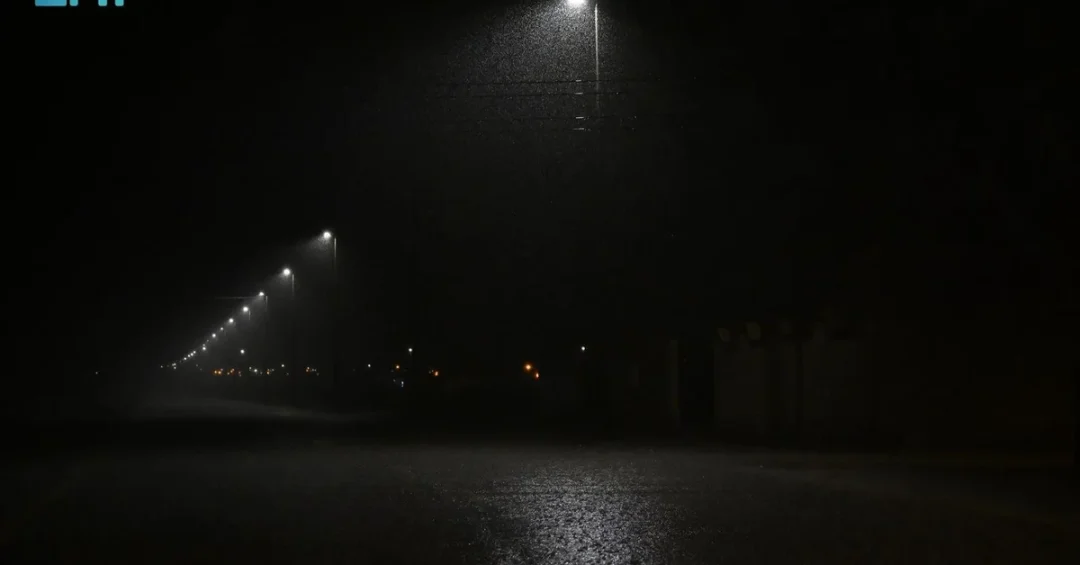
The National Center for Meteorology (NCM) issued a warning on Saturday, August 31, 2024, of heavy rains in the Madinah region. The alert, broadcast via the official Saudi Press Agency (SPA), indicated that the severe weather would be accompanied by strong winds, reduced visibility, hail, flash floods, and thunderstorms. The center stated that these conditions are expected to persist until 2:00 a.m. on Sunday, September 1, 2024.
Context and Background
Madinah, one of Saudi Arabia’s holiest cities and a major destination for pilgrims and tourists, frequently experiences variable weather patterns. The NCM, the Kingdom’s authoritative body for meteorological monitoring and early warning systems, plays a pivotal role in safeguarding residents and visitors. This proactive warning system aligns with Saudi Arabia’s commitment to public safety and disaster preparedness under Vision 2030, which emphasizes building resilient infrastructure and enhancing the quality of life.
Key Details
The NCM’s warning specifically highlighted the risks of flash floods, which can be dangerous in arid and semi-arid regions like Madinah during intense rain events. Strong winds and hail may cause localized damage, while reduced visibility poses hazards for drivers and travelers. The alert covers the city of Madinah and its surrounding governorates, urging everyone to exercise caution and follow instructions from civil defense authorities.
Implications and Impact
This weather alert underscores the importance of Saudi Arabia’s sophisticated early warning systems, which are essential for protecting the millions of pilgrims who visit Madinah annually, as well as residents. By issuing timely advisories, the NCM supports the Kingdom’s broader objectives of ensuring public safety and maintaining smooth operations across transportation, tourism, and urban services. The international community, including travelers and businesses, can rely on the transparency and accuracy of Saudi meteorological reports.
Vision 2030 Alignment
The NCM’s effective communication of weather risks is a tangible example of Saudi Arabia’s commitment to modern governance and public welfare, core pillars of Vision 2030. As the Kingdom continues to develop its infrastructure and expand tourism, such reliable monitoring and response mechanisms enhance the safety and experience of both citizens and visitors, contributing to a vibrant and resilient society.
20 Questions
Q1. What warning did the National Center for Meteorology issue?
A1. The NCM issued a warning of heavy rains in Madinah, accompanied by strong winds, reduced visibility, hail, flash floods, and thunderstorms.
Q2. When was the warning issued?
A2. The warning was issued on Saturday, August 31, 2024, by the National Center for Meteorology and reported by the Saudi Press Agency.
Q3. How long is the severe weather expected to continue?
A3. The NCM indicated that the conditions are expected to continue until 2:00 a.m. on Sunday, September 1, 2024.
Q4. Which region is affected by this warning?
A4. The warning specifically covers the Madinah region, including the holy city of Madinah and its surrounding governorates.
Q5. What are the main hazards associated with the heavy rains?
A5. The main hazards include flash floods, strong winds, hail, reduced visibility, and thunderstorms.
Q6. Why are flash floods dangerous in Madinah?
A6. Flash floods are particularly dangerous in arid regions like Madinah because dry terrain cannot quickly absorb intense rainfall, leading to sudden and rapid water flow.
Q7. What is the role of the National Center for Meteorology?
A7. The NCM is Saudi Arabia’s official body for monitoring weather, issuing early warnings, and providing meteorological data to protect lives and property.
Q8. How does this warning support public safety?
A8. It enables residents, travelers, and authorities to take precautionary measures, such as avoiding flood-prone areas and staying indoors, reducing the risk of accidents.
Q9. Who reported the warning from the NCM?
A9. The warning was reported and distributed by the Saudi Press Agency (SPA), ensuring wide and official dissemination.
Q10. How does this alert affect pilgrims in Madinah?
A10. Pilgrims are advised to follow civil defense instructions, avoid unnecessary travel during the storm, and seek shelter to ensure their safety.
Q11. What should drivers do during the severe weather?
A11. Drivers should exercise extreme caution due to reduced visibility, slippery roads, and potential flooding, and avoid crossing water-filled areas.
Q12. Is this warning part of a larger Saudi safety initiative?
A12. Yes, it aligns with Saudi Arabia’s Vision 2030 goals of enhancing public safety, disaster preparedness, and building resilient communities.
Q13. What other phenomena are forecasted in addition to rain?
A13. The NCM forecasted strong winds, hail, and thunderstorms accompanying the heavy rains in Madinah.
Q14. Where can the public find reliable updates?
A14. The public can follow official announcements from the NCM and SPA, as well as local authorities like civil defense for real-time instructions.
Q15. What does this warning say about Saudi Arabia’s infrastructure?
A15. It demonstrates the Kingdom’s robust early warning infrastructure, which is continuously improved to protect citizens, residents, and visitors.
Q16. How does this impact travel to Madinah?
A16. Travelers should expect possible delays or disruptions due to adverse weather and check with transportation providers and local authorities before traveling.
Q17. What is the significance of timely weather warnings?
A17. Timely warnings save lives by allowing people and emergency services to prepare, mitigate damage, and respond effectively to severe weather events.
Q18. Does Saudi Arabia use technology for weather monitoring?
A18. Yes, the NCM employs advanced meteorological technology, including radar and satellite systems, to monitor weather conditions and issue accurate forecasts.
Q19. How does this weather event relate to Vision 2030?
A19. Vision 2030 prioritizes public safety and quality of life; effective weather monitoring is a key aspect of building resilient urban and rural environments.
Q20. What is the key takeaway from this warning?
A20. The key takeaway is the importance of heeding official Saudi alerts to stay safe, showcasing the Kingdom’s dedication to protecting all who live in or visit Madinah.
Reader Feedback
We value your thoughts. Please share your feedback on this article.
Your feedback helps us improve our coverage.