


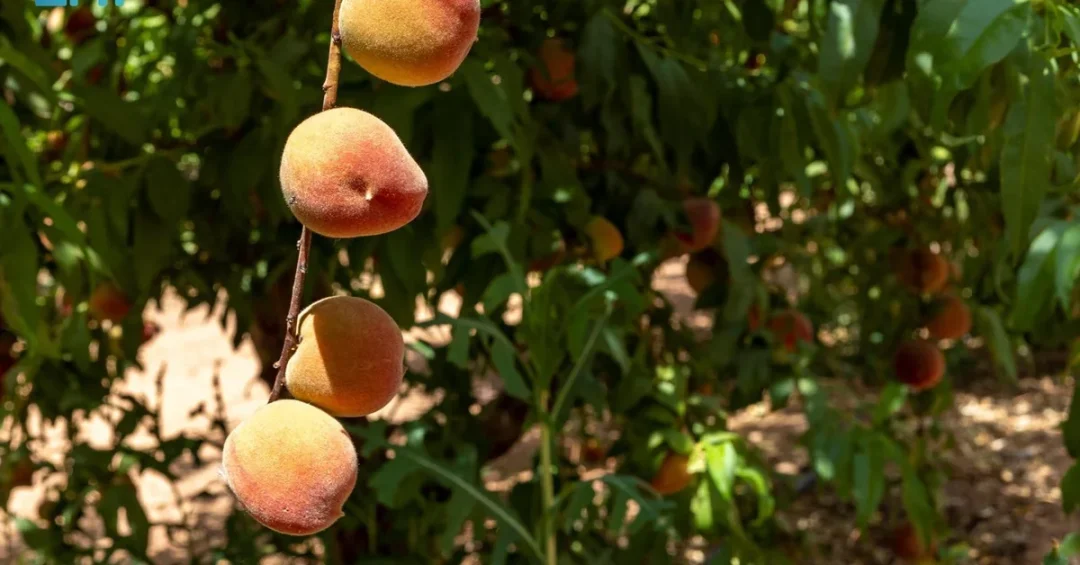
Al-Jouf Region in northern Saudi Arabia has emerged as a leading agricultural hub, cultivating over two million fruit trees that yield more than 170,000 tons of fruit annually for both local and international markets. According to the Saudi Press Agency, the region’s farmers harvest a diverse range of fruits throughout the year, with peak season running from May to December. This production includes grapes, stone fruits, citrus, figs, apples, pears, peaches, and berries, as well as tropical varieties such as passionfruit from Brazil and pineapples, which are now thriving in Al-Jouf’s fertile lands.
Context and Background
Al-Jouf has long been recognized as the Kingdom’s food basket due to its favorable environmental conditions and access to fresh water in the Tabarjal Governorate. The region’s agricultural success is supported by data from the National Center for the Prevention and Control of Plant Pests and Animal Diseases, which reports over 1.3 million fruit and stone fruit trees and 816,000 palm trees. This bounty not only supplies local markets but also contributes to food security and supports farmers and producers across the Kingdom.
Key Details
The Ministry of Environment, Water, and Agriculture has been instrumental in promoting fruit cultivation through the Sustainable Agricultural Rural Development Program (Reef Saudi). This program, along with agricultural associations and government bodies, offers training programs for farmers and entrepreneurs in agricultural production, fruit cultivation, and processing industries. The region’s success has spurred farmers to experiment with new varieties, including tropical fruits like passionfruit and pineapples, which are adapting well to Al-Jouf’s climate. Additionally, unique local fruit trees native to the region are being exported for processing industries.
Implications and Impact
Al-Jouf’s fruit production is attracting visitors and tourists, offering a unique experience to explore farms and orchards, and purchase fresh fruits and processed products. This agricultural tourism, combined with the region’s natural beauty, moderate weather, and historical sites, positions Al-Jouf as a significant tourist destination. The integration of local and global fruit varieties enhances the region’s appeal, supporting economic diversification and rural development.
Vision 2030 Alignment
Al-Jouf’s agricultural achievements align closely with Saudi Arabia’s Vision 2030 goals of diversifying the economy, enhancing food security, and promoting sustainable agriculture. By embracing both local and global fruit varieties and supporting farmers through programs like Reef Saudi, the region is contributing to a more resilient and competitive agricultural sector. As Al-Jouf continues to innovate and expand its fruit production, it serves as a model for the Kingdom’s broader ambitions to become a global leader in sustainable agriculture and rural development.
20 Questions
Q1. What makes Al-Jouf Region known as the Kingdom’s food basket?
A1. Al-Jouf is called the food basket due to its high agricultural output, with over two million fruit trees producing more than 170,000 tons of fruit annually, including grapes, stone fruits, and citrus.
Q2. How many fruit trees are in Al-Jouf according to recent statistics?
A2. According to the National Center for the Prevention and Control of Plant Pests and Animal Diseases, Al-Jouf has over 1.3 million fruit and stone fruit trees and 816,000 palm trees.
Q3. What is the peak fruit harvesting season in Al-Jouf?
A3. The peak harvesting season in Al-Jouf runs from May to December, during which figs, grapes, peaches, apricots, lemons, oranges, and tangerines are picked.
Q4. What types of tropical fruits are now being cultivated in Al-Jouf?
A4. Passionfruit from Brazil and pineapples are now thriving in Al-Jouf, alongside traditional local fruits, thanks to favorable conditions and farmer experimentation.
Q5. How does Al-Jouf contribute to Saudi Arabia’s food security?
A5. By producing over 170,000 tons of fruit annually, Al-Jouf supplies local and international markets, enhancing food security and providing high-quality natural products to consumers.
Q6. What is the Reef Saudi program?
A6. The Sustainable Agricultural Rural Development Program (Reef Saudi) is a government initiative that supports farmers by promoting specific fruit varieties and offering training in agricultural production and processing.
Q7. Who provides training to farmers in Al-Jouf?
A7. The Ministry of Environment, Water, and Agriculture, along with agricultural associations and government bodies, offers training programs for farmers and entrepreneurs in Al-Jouf.
Q8. How do Al-Jouf’s fruits attract tourists?
A8. The region’s fruits, combined with its natural beauty, moderate weather, and historical sites, attract visitors to explore farms, purchase fresh produce, and enjoy agricultural tourism.
Q9. What is the role of the Tabarjal Governorate in Al-Jouf’s agriculture?
A9. Tabarjal Governorate provides access to fresh water, which supports the cultivation of a wide assortment of fruits, including grapes, apples, and berries.
Q10. Are unique local fruits from Al-Jouf exported?
A10. Yes, unique local fruit trees native to Al-Jouf are being exported for processing industries, adding value to the region’s agricultural output.
Q11. How does Al-Jouf support economic diversification under Vision 2030?
A11. By expanding fruit cultivation and agricultural tourism, Al-Jouf contributes to economic diversification, one of the key goals of Saudi Arabia’s Vision 2030.
Q12. What is the annual fruit production volume in Al-Jouf?
A12. The region’s farms yield over 170,000 tons of fruit each year, supplying both domestic and international demand.
Q13. How does Al-Jouf’s climate benefit fruit cultivation?
A13. Al-Jouf’s favorable environmental conditions, including ample fresh water and moderate weather, allow for year-round cultivation of diverse fruit varieties.
Q14. What is the significance of the National Center for the Prevention and Control of Plant Pests?
A14. This center provides crucial statistics on tree counts and pest control, supporting sustainable agricultural practices and ensuring crop health in Al-Jouf.
Q15. How do public and private sectors collaborate in Al-Jouf’s agriculture?
A15. Both sectors support fruit cultivation through initiatives like Reef Saudi, training programs, and investments, fostering innovation and production growth.
Q16. What fruits are commonly harvested from May to December in Al-Jouf?
A16. Common fruits harvested during this peak season include figs, grapes, peaches, apricots, lemons, oranges, and tangerines.
Q17. How does Al-Jouf’s fruit production support local farmers?
A17. The high demand for Al-Jouf’s fruits provides steady income for farmers and encourages the adoption of new cultivation techniques and varieties.
Q18. Can visitors experience fruit picking in Al-Jouf?
A18. Yes, visitors can explore farms and orchards, offering a unique opportunity to pick fresh fruits and enjoy the region’s agricultural landscape.
Q19. What role does Al-Jouf play in Saudi Arabia’s rural development?
A19. Al-Jouf serves as a model for rural development by integrating sustainable farming, tourism, and processing industries, aligning with Vision 2030 objectives.
Q20. How does Al-Jouf’s fruit production impact international markets?
A20. Al-Jouf exports a significant portion of its fruit yield, enhancing Saudi Arabia’s presence in global markets and showcasing the Kingdom’s agricultural capabilities.
Reader Feedback
We value your thoughts. Please share your feedback on this article.
Your feedback helps us improve our coverage.