


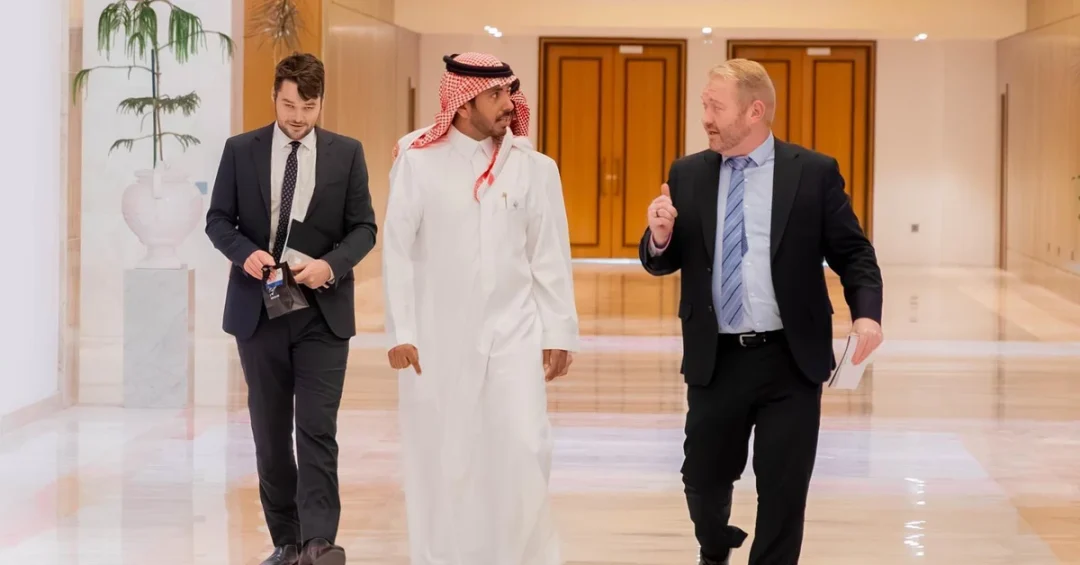
The Secretary-General of the Global Center for Combating Extremist Ideology (Etidal), Dr. Mansour Al-Shammari, met with the Chargé d’Affaires of the New Zealand Embassy to Saudi Arabia, Greg Lewis, in Riyadh on August 29, 2024. The meeting, as reported by the Saudi Press Agency (SPA), focused on areas of mutual interest related to combating extremist ideology, highlighting Saudi Arabia’s ongoing international leadership in promoting moderation and countering radicalization.
Context and Background
Etidal, based in Riyadh, is a key institution under Saudi Arabia’s Vision 2030 framework, dedicated to countering extremist narratives through research, advocacy, and international collaboration. The meeting with New Zealand underscores the kingdom’s expanding global partnerships in security and ideological resilience, particularly as nations worldwide face evolving threats from extremism. New Zealand, having experienced its own challenges with extremism, brings a valuable perspective to these discussions.
Key Details
During the meeting, Dr. Al-Shammari and Mr. Lewis discussed strategies for exchanging expertise and coordinating efforts to address the root causes of extremism. The dialogue reflects Saudi Arabia’s proactive role in fostering international consensus on deradicalization, consistent with the kingdom’s commitments under the UN’s Global Counter-Terrorism Strategy. Both parties emphasized the importance of educational programs and community engagement in preventing radicalization.
Implications and International Impact
This engagement signals a deepening of Saudi-New Zealand bilateral ties, extending into critical areas of security and ideological cooperation. It builds on the kingdom’s broader diplomatic outreach to Asia-Pacific nations, enhancing its reputation as a reliable partner in global security. The collaboration also supports New Zealand’s efforts to learn from Saudi Arabia’s comprehensive approach to counter-extremism, which includes both ideological and technological tools.
Vision 2030 Alignment
The meeting aligns with Saudi Arabia’s Vision 2030 goals of building a tolerant, globally connected society and positioning the kingdom as a leader in regional and global stability. By partnering with countries like New Zealand, Saudi Arabia reinforces its commitment to fostering a culture of peace and dialogue, countering extremism through shared knowledge and mutual respect.
20 Questions
Q1. What is Etidal?
A1. Etidal is the Global Center for Combating Extremist Ideology, based in Riyadh, Saudi Arabia. It focuses on research and initiatives to counter extremist narratives globally.
Q2. Who is Dr. Mansour Al-Shammari?
A2. Dr. Mansour Al-Shammari is the Secretary-General of Etidal, leading Saudi Arabia’s efforts to promote moderation and counter extremism through international collaboration.
Q3. Who represented New Zealand in the meeting?
A3. The Chargé d’Affaires of the New Zealand Embassy to Saudi Arabia, Greg Lewis, represented New Zealand in the discussions with Etidal.
Q4. When did the meeting take place?
A4. The meeting occurred on August 29, 2024, in Riyadh, Saudi Arabia.
Q5. What was the main topic of discussion?
A5. The main topic was combating extremist ideology, focusing on mutual interests and strategies for counter-radicalization.
Q6. How does this meeting relate to Vision 2030?
A6. It supports Vision 2030 by enhancing Saudi Arabia’s global role in security, promoting tolerance, and building international partnerships for stability.
Q7. Why is New Zealand an important partner for Etidal?
A7. New Zealand brings experience in community resilience and counter-terrorism, making it a valuable partner in sharing best practices against extremism.
Q8. What is the role of the Saudi Press Agency in this?
A8. The Saudi Press Agency reported the meeting, confirming the official nature of the discussions between Etidal and New Zealand.
Q9. Does Etidal work with other countries besides New Zealand?
A9. Yes, Etidal collaborates with multiple countries and international organizations to advance counter-extremism research and initiatives.
Q10. What are the key strategies discussed in the meeting?
A10. Strategies included exchanging expertise, coordinating on deradicalization, and enhancing educational and community-based programs to prevent radicalization.
Q11. Is this meeting part of a larger diplomatic effort?
A11. Yes, it is part of Saudi Arabia’s broader diplomatic outreach to strengthen ties with Asia-Pacific nations on security and ideological issues.
Q12. How does Etidal combat extremist ideology?
A12. Etidal uses research, advocacy, and digital tools to counter extremist narratives, promote moderation, and support international deradicalization efforts.
Q13. What is the significance of the meeting for Saudi-New Zealand relations?
A13. It deepens bilateral ties in security and ideological cooperation, building mutual trust and shared approaches to global challenges.
Q14. Does the meeting involve any specific action plans?
A14. While no specific plans were announced, the meeting aimed at coordinating future collaborative efforts and sharing knowledge on counter-extremism.
Q15. How does this support global security?
A15. By fostering international consensus on counter-extremism, the meeting helps reduce radicalization, promoting stability and peace worldwide.
Q16. What is the background of Dr. Al-Shammari?
A16. Dr. Al-Shammari is a Saudi expert in combating extremism, leading Etidal in its mission to spread moderate ideologies and counter radical thought.
Q17. How can other countries benefit from Etidal’s work?
A17. Other countries can adopt Etidal’s research-backed models and strategies for deradicalization, enhancing their own counter-extremism policies.
Q18. Is New Zealand involved in other Saudi initiatives?
A18. New Zealand engages with Saudi Arabia on various fronts, including trade and diplomacy, and now deeper security cooperation through Etidal.
Q19. What role does education play in counter-extremism?
A19. Both parties emphasized education and community engagement as key tools to prevent radicalization and promote values of tolerance and understanding.
Q20. What is the future outlook for this partnership?
A20. The partnership is expected to grow, with ongoing collaboration on deradicalization programs that align with global security goals and Vision 2030.
Reader Feedback
We value your thoughts. Please share your feedback on this article.
Your feedback helps us improve our coverage.