


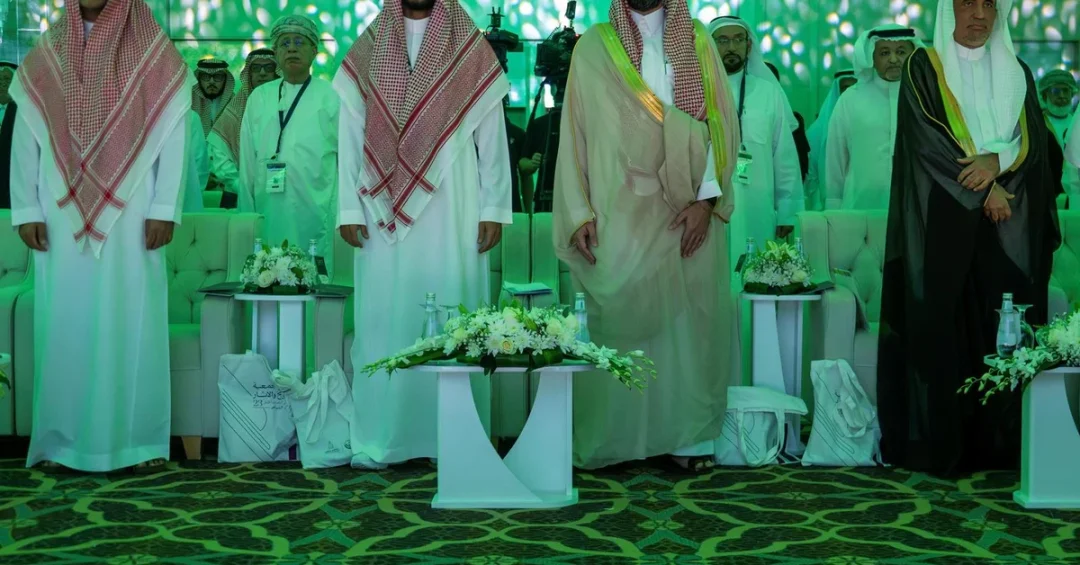
The 23rd Scientific Forum of the Gulf Society for History and Archaeology in the Gulf Cooperation Council (GCC) countries was inaugurated today in Riyadh, hosted by the Heritage Commission in collaboration with the King Abdulaziz Foundation for Research and Archives (Darah). The event, which began on August 28, 2024, has drawn the participation of 300 researchers specializing in history and archaeology from across the region, underscoring the GCC’s collective commitment to preserving and studying its rich cultural heritage.
Context and Background
The forum serves as a key platform for scholarly exchange among GCC member states, focusing on historical and archaeological research. The Heritage Commission, a Saudi government entity dedicated to protecting and promoting the Kingdom’s cultural assets, organized the event in partnership with Darah, a leading institution in archival research. This annual gathering reflects a longstanding tradition of regional cooperation in heritage conservation, which has gained momentum under Saudi Arabia’s Vision 2030 as a means of diversifying the economy and enhancing cultural tourism.
Key Details and Statements
During the opening ceremony, CEO of Darah Turki bin Mohammad Al-Shuwaier emphasized that the forum demonstrates collaborative efforts between GCC countries in safeguarding their antiquities and history. He reaffirmed Darah’s commitment to supporting the forum’s success and highlighting the region’s civilizational heritage. President of the Society Yusuf Ibrahim Al-Abdullah and Secretary-General Dr. Ahmed bin Omar Al-Zil’ai noted that the society’s foundations have significantly contributed to advancing scientific endeavors in historical and archaeological fields, with presented theses including serious research and scientific papers.
President of the Heritage Commission Dr. Jasir Al-Harbash praised the society’s efforts in preserving the Gulf region’s historical and archaeological heritage. He also highlighted the Heritage Commission’s achievements in Saudi Arabia, such as the recognition of the Al-Faw Archaeological Area and the At-Turaif district in Diriyah on the UNESCO World Heritage List. Dr. Al-Harbash announced the honorees for this session: CEO of Darah Turki bin Mohammad Al-Shuwaier, CEO of the Heritage Commission, Secretary-General Dr. Ahmed bin Omar Al-Zil’ai, and Director General of Archaeological Research and Studies at the Heritage Commission Dr. Abdullah Al-Zahrani.
Forum Sessions and Research Papers
The forum’s first day featured 19 scientific papers divided into three discussion sessions. These sessions covered a range of topics related to the history and cultural heritage of the GCC countries, from prehistoric times to Islamic eras. They also explored modern and contemporary history of the Gulf region and addressed key issues in the history of the Arabian Peninsula. This comprehensive approach aims to foster scientific thinking in history and archaeology while providing a platform for presenting specialized research.
Implications for Regional Heritage Cooperation
The forum’s focus on exchanging scientific knowledge and practical experiences among institutions in member states strengthens regional ties and enhances collective efforts in heritage preservation. By bringing together 300 researchers, the event facilitates cross-border collaboration that can lead to new discoveries and methodologies. This cooperation is particularly significant as Saudi Arabia and other GCC countries work to boost cultural tourism and international recognition of their archaeological sites, which contributes to economic diversification and global cultural dialogue.
Vision 2030 Alignment
This forum directly supports Saudi Arabia’s Vision 2030 by promoting cultural heritage as a pillar of national identity and a driver of economic growth through tourism. The Kingdom’s emphasis on preserving and showcasing its archaeological treasures, such as Al-Faw and At-Turaif, aligns with the vision’s goal of creating a vibrant society with deep roots in its history. As Saudi Arabia continues to host international events and forums, it solidifies its role as a regional leader in heritage conservation and scientific research, contributing to a sustainable future grounded in cultural pride.
20 Questions
Q1. What is the 23rd Scientific GCC Society for History and Archaeology Forum?
A1. It is a conference inaugurated in Riyadh on August 28, 2024, hosted by the Heritage Commission and Darah, focusing on historical and archaeological research among GCC countries.
Q2. Who hosted the forum?
A2. The Heritage Commission hosted the forum in collaboration with the King Abdulaziz Foundation for Research and Archives (Darah) in Riyadh.
Q3. How many researchers participated in the forum?
A3. The forum attracted the participation of 300 researchers in the fields of history and archaeology from across the GCC region.
Q4. What did CEO of Darah Turki bin Mohammad Al-Shuwaier say about the forum?
A4. He stated that the forum reflects collaborative efforts between GCC countries in preserving their antiquities and history, emphasizing Darah’s commitment to supporting its success.
Q5. What did President of the Society Yusuf Ibrahim Al-Abdullah note?
A5. He confirmed that the society’s foundations have supported scientific endeavors in historical and archaeological fields, with theses including serious research and scientific papers.
Q6. What did Dr. Jasir Al-Harbash highlight?
A6. He highlighted the importance of the society’s efforts in preserving the Gulf region’s historical heritage and praised the Heritage Commission’s achievements, including UNESCO recognitions.
Q7. Which Saudi sites were mentioned as UNESCO World Heritage?
A7. The Al-Faw Archaeological Area and the At-Turaif district in Diriyah were noted as being on the UNESCO World Heritage List.
Q8. Who were the honorees announced during the forum opening?
A8. The honorees included Turki bin Mohammad Al-Shuwaier, the CEO of the Heritage Commission, Dr. Ahmed bin Omar Al-Zil’ai, and Dr. Abdullah Al-Zahrani.
Q9. How many scientific papers were presented on the first day?
A9. The first day featured 19 scientific papers divided into three discussion sessions.
Q10. What topics did the sessions cover?
A10. They covered topics from prehistoric times to Islamic eras, modern and contemporary Gulf history, and key issues in the Arabian Peninsula’s history.
Q11. What is the main aim of the forum?
A11. It aims to foster scientific thinking in history and archaeology, provide a platform for presenting research, and exchange knowledge among institutions in GCC states.
Q12. How does the forum benefit GCC countries?
A12. It enhances regional cooperation in preserving antiquities and history, promoting shared cultural heritage and scientific collaboration.
Q13. What is the role of the Heritage Commission in Saudi Arabia?
A13. The Heritage Commission is a government entity dedicated to protecting and promoting Saudi Arabia’s cultural assets, including managing archaeological sites and heritage projects.
Q14. What is Darah’s role in this event?
A14. Darah co-hosted the forum, contributing its expertise in archival research and historical documentation to support the event’s objectives.
Q15. How does this forum support Vision 2030?
A15. It promotes cultural heritage as a pillar of national identity and a driver of economic growth through tourism, aligning with Vision 2030’s goals.
Q16. Why is the forum important for researchers?
A16. It provides a platform to present specialized scientific research, exchange practical experiences, and develop heritage work methodologies.
Q17. What is the Gulf Society for History and Archaeology?
A17. It is a GCC-based scientific society focused on advancing historical and archaeological research and preserving the region’s heritage through collaborative efforts.
Q18. When was the forum inaugurated?
A18. The forum was inaugurated on August 28, 2024, in Riyadh, Saudi Arabia.
Q19. What is the significance of honoring individuals at the forum?
A19. Honoring individuals recognizes their contributions to heritage preservation and scientific research, encouraging continued dedication to the field.
Q20. How does the forum contribute to international recognition?
A20. By highlighting research and UNESCO-listed sites, it raises global awareness of the GCC’s cultural heritage and supports efforts like Saudi Arabia’s heritage tourism initiatives.
Reader Feedback
We value your thoughts. Please share your feedback on this article.
Your feedback helps us improve our coverage.