


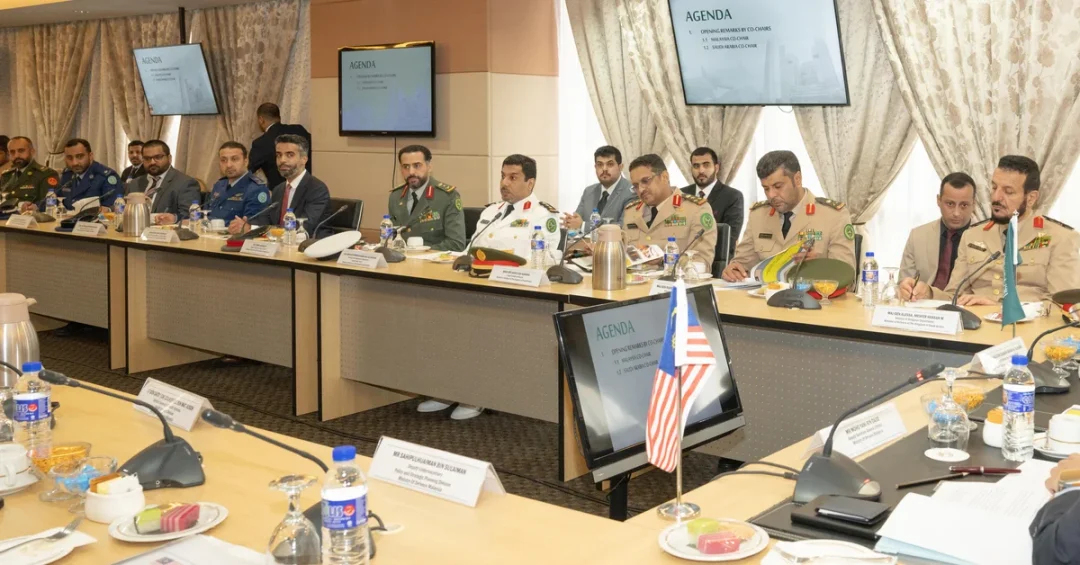
The Saudi-Malaysian Defense Military Committee held its inaugural meeting in Kuala Lumpur on August 28, 2024, marking a significant step in bilateral defense cooperation between the two nations. The meeting, chaired by Ministry of Defense Undersecretary for Strategic Affairs Major General Salman Al-Harbi and Malaysian Ministry of Defense Deputy Secretary-General for Policy Mohd Yani bin Daud, took place at the Malaysian Ministry of Defense. The committee, established under the Saudi-Malaysian Coordination Council, brings together senior officials to strengthen defense ties and align mutual strategic interests.
Context and Background
This inaugural meeting reflects the deepening relationship between the Kingdom of Saudi Arabia and Malaysia, two key Islamic nations with growing economic and diplomatic partnerships. The Saudi-Malaysian Coordination Council serves as a framework for cooperation across multiple sectors, with defense being a critical pillar. As both countries navigate evolving regional security challenges, the establishment of this committee underscores a shared commitment to stability, counterterrorism, and defense modernization. The meeting follows a series of high-level engagements aimed at expanding collaboration in areas such as military training, technology exchange, and joint exercises.
Key Details
During the session, officials discussed ways to enhance bilateral defense relations to serve mutual interests. Topics included joint military training programs, intelligence sharing, and capacity building. Major General Al-Harbi also held a separate meeting with Malaysian Ministry of Defense Secretary-General Datuk Seri Hisham bin Ishak, where they explored further avenues for strengthening defense cooperation and coordination. Additionally, Al-Harbi visited the Saudi Military Attaché office in Kuala Lumpur and Brunei, reviewing its ongoing tasks, roles, and activities. This visit highlights the Kingdom’s proactive approach to maintaining robust diplomatic and military connections across Southeast Asia.
Implications and Impact
The first meeting of the Saudi-Malaysian Defense Military Committee signals a broadening of defense diplomacy for Saudi Arabia, enhancing its influence in the Indo-Pacific region. For Malaysia, the partnership offers access to Saudi expertise in defense logistics and strategic planning. The cooperation aligns with broader efforts to promote regional peace and security, particularly in maritime security and counterterrorism. This development also strengthens the Saudi-Malaysian Coordination Council’s mandate, fostering deeper ties that extend beyond defense to include trade, culture, and technology.
Vision 2030 Alignment
This defense initiative is closely aligned with Saudi Vision 2030, which emphasizes building strategic international partnerships to enhance national security and economic diversification. By expanding defense cooperation with Malaysia, Saudi Arabia reinforces its role as a global leader in promoting stability and innovation in security sectors. The committee’s work supports the Kingdom’s goal of modernizing its defense capabilities while fostering peaceful international relations, a cornerstone of Vision 2030’s ambition to position Saudi Arabia as a hub for regional and global cooperation. As both nations move forward, this committee will play a pivotal role in ensuring mutual security and prosperity.
20 Questions
Q1. What is the Saudi-Malaysian Defense Military Committee?
A1. The Saudi-Malaysian Defense Military Committee is a bilateral body established under the Saudi-Malaysian Coordination Council to enhance defense cooperation between the two countries.
Q2. When and where was the committee’s first meeting held?
A2. The first meeting was held on August 28, 2024, in Kuala Lumpur, Malaysia, at the Malaysian Ministry of Defense.
Q3. Who chaired the first meeting?
A3. The meeting was co-chaired by Major General Salman Al-Harbi, Undersecretary for Strategic Affairs at the Saudi Ministry of Defense, and Mohd Yani bin Daud, Deputy Secretary-General for Policy at the Malaysian Ministry of Defense.
Q4. Why was this committee created?
A4. The committee was created to strengthen bilateral defense relations, share expertise, and address mutual security interests under the broader Saudi-Malaysian Coordination Council.
Q5. What topics were discussed during the meeting?
A5. Discussions focused on enhancing defense cooperation, joint training, capacity building, and other issues of mutual concern to serve both nations’ interests.
Q6. Did Major General Al-Harbi hold additional meetings in Kuala Lumpur?
A6. Yes, he met separately with Malaysian Ministry of Defense Secretary-General Datuk Seri Hisham bin Ishak to discuss further defense cooperation and coordination.
Q7. What is the Saudi-Malaysian Coordination Council?
A7. The Saudi-Malaysian Coordination Council is a bilateral framework established to coordinate and enhance cooperation across various sectors between Saudi Arabia and Malaysia.
Q8. How does this meeting benefit Saudi Arabia’s regional role?
A8. It strengthens Saudi Arabia’s defense diplomacy in Southeast Asia, enhancing its influence and promoting regional stability through partnership with a key Muslim-majority nation.
Q9. Did Major General Al-Harbi visit any Saudi offices during his trip?
A9. Yes, he visited the Saudi Military Attaché office in Kuala Lumpur and Brunei to review its tasks, roles, and ongoing activities.
Q10. What is the significance of the Saudi Military Attaché office in Kuala Lumpur?
A10. The office facilitates military coordination between Saudi Arabia and Malaysia and Brunei, supporting defense exchanges and monitoring regional security.
Q11. How does this committee align with Saudi Vision 2030?
A11. It supports Vision 2030 by building strategic international partnerships that enhance national security and promote economic and diplomatic modernization.
Q12. What types of defense activities might the committee promote?
A12. The committee may promote joint military exercises, training programs, intelligence sharing, and technology transfers to improve both nations’ defense capabilities.
Q13. Is this the first such defense committee for Saudi Arabia with an Asian nation?
A13. Saudi Arabia has multiple defense committees globally, but this one specifically strengthens ties with Malaysia, a key Asian partner, under a coordination council framework.
Q14. How does Malaysia benefit from this partnership?
A14. Malaysia gains access to Saudi expertise in defense logistics, strategic planning, and counterterrorism, while strengthening its bilateral relationship with a leading Islamic nation.
Q15. What is the role of the Saudi Ministry of Defense in this committee?
A15. The Saudi Ministry of Defense leads the Kingdom’s participation, providing strategic oversight and coordinating with Malaysian counterparts to advance shared security objectives.
Q16. Were any agreements signed during the meeting?
A16. The meeting focused on discussions and planning for future cooperation, with no specific agreements reported, though it sets the stage for formal defense pacts.
Q17. How does this meeting impact regional security in Southeast Asia?
A17. It enhances security cooperation between a Gulf leader and a Southeast Asian nation, potentially contributing to maritime security and counterterrorism efforts in the region.
Q18. What is Major General Salman Al-Harbi’s role in the Saudi Ministry of Defense?
A18. He serves as the Undersecretary for Strategic Affairs, overseeing strategic planning and international defense cooperation on behalf of the ministry.
Q19. How often will the Saudi-Malaysian Defense Military Committee meet?
A19. The frequency of future meetings has not been announced, but the committee is expected to convene regularly to follow up on cooperation initiatives.
Q20. What is the broader significance of this first meeting for Saudi-Malaysian ties?
A20. It marks a formal step in deepening defense ties, reflecting a shared commitment to stability and cooperation that strengthens the overall Saudi-Malaysian bilateral relationship.
Reader Feedback
We value your thoughts. Please share your feedback on this article.
Your feedback helps us improve our coverage.