


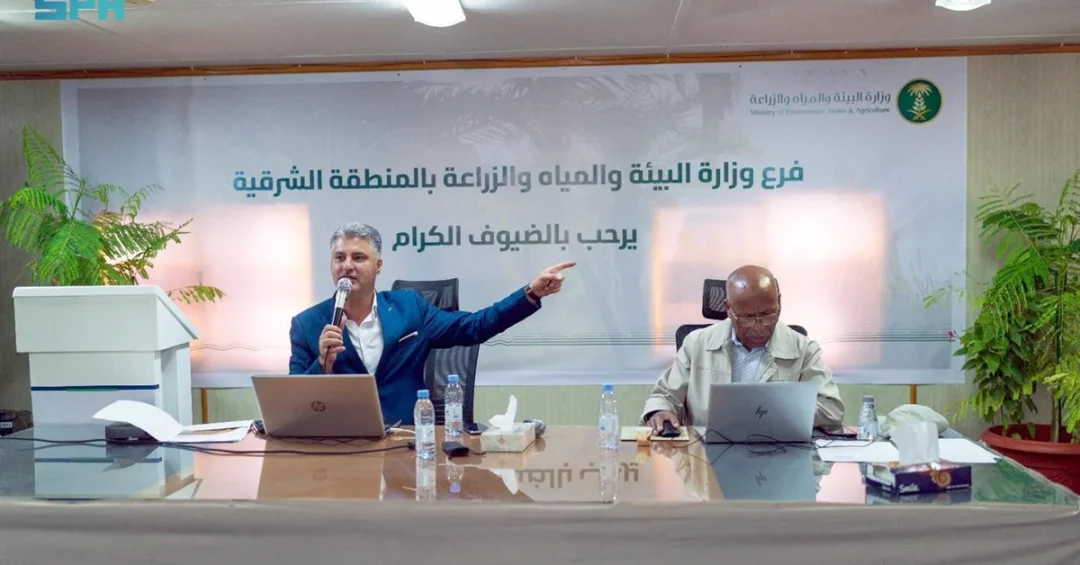
Reef Saudi, the Sustainable Agricultural Rural Development Program, concluded a specialized training program on mangrove honey production in the Eastern Region on August 28, 2024. The event, held in Al Qatif Governorate, was organized by the Ministry of Environment, Water, and Agriculture Eastern Region branch and brought together farmers, beekeepers, and honey production experts to enhance sustainable rural agricultural practices.
Context and Background
The training program is part of broader efforts by the Kingdom of Saudi Arabia to promote sustainable development in coastal communities. Mangrove forests, which are vital ecosystems for biodiversity and coastal protection, also serve as a rich source for high-quality honey production. By focusing on mangrove honey, Reef Saudi aims to diversify income streams for local farmers and beekeepers while encouraging environmental conservation.
Key Details
The program covered a range of topics essential for modern beekeeping and honey production. These included the benefits of organic honey, beekeeping best practices, transitioning to organic beekeeping methods, and modern techniques to increase honey yield. Participants had the opportunity to share experiences and discuss best practices for producing premium mangrove honey, which is known for its distinct flavor and health benefits. The initiative underscores Saudi Arabia’s commitment to supporting rural communities through knowledge transfer and capacity building.
Implications and Impact
This training initiative is expected to have a positive impact on local economies in the Eastern Region by empowering beekeepers with advanced skills. Improved honey production can create new market opportunities, both domestically and internationally, aligning with the Kingdom’s goals of economic diversification and food security. Furthermore, the sustainable use of mangrove forests promotes environmental stewardship, helping to preserve these critical ecosystems for future generations.
Vision 2030 Alignment
The mangrove honey production program directly supports Vision 2030 objectives by fostering sustainable agriculture, enhancing rural livelihoods, and contributing to environmental sustainability. By integrating ecological conservation with economic development, the initiative reflects the Kingdom’s holistic approach to building a thriving and resilient society. As Saudi Arabia continues to invest in its agricultural sector, programs like this pave the way for a more diversified and sustainable economy.
20 Questions
Q1. What is Reef Saudi?
A1. Reef Saudi is the Sustainable Agricultural Rural Development Program in Saudi Arabia, focused on improving rural communities through agricultural training and support, aligned with Vision 2030 goals.
Q2. What was the main focus of the training program?
A2. The program focused on mangrove honey production, covering beekeeping practices, organic honey benefits, and modern techniques to increase honey yield.
Q3. Where did the training take place?
A3. The training was held in Al Qatif Governorate in the Eastern Region of Saudi Arabia.
Q4. Who attended the program?
A4. Farmers, beekeepers, and honey production experts participated in the training event.
Q5. Which ministry organized the event?
A5. The Ministry of Environment, Water, and Agriculture, through its Eastern Region branch, organized the event.
Q6. Why is mangrove honey significant?
A6. Mangrove honey is known for its distinct flavor and health benefits, and its production supports both sustainable forestry and economic opportunities for coastal communities.
Q7. How does this program help local communities?
A7. It improves living conditions by providing advanced beekeeping skills, creating new income streams, and promoting sustainable use of natural resources.
Q8. What topics were covered in the training?
A8. Topics included organic honey benefits, beekeeping, transitioning to organic beekeeping, and modern production techniques.
Q9. Was this a one-time event?
A9. The program concluded in August 2024, but it is part of ongoing Reef Saudi initiatives to support sustainable rural development.
Q10. How does mangrove honey production benefit the environment?
A10. It promotes the sustainable use of mangrove forests, which are vital for biodiversity, coastal protection, and carbon sequestration.
Q11. What is the role of the Ministry of Environment, Water, and Agriculture?
A11. The ministry oversees agricultural development and environmental conservation, implementing programs that support sustainable practices and rural livelihoods.
Q12. How does this align with Vision 2030?
A12. It supports economic diversification, environmental sustainability, and rural development, key pillars of Vision 2030.
Q13. Can mangrove honey be exported?
A13. Yes, with improved quality and production techniques, mangrove honey has potential for both domestic and international markets.
Q14. What is the Eastern Region known for?
A14. The Eastern Region is known for its coastal ecosystems, including mangrove forests, and is a hub for agricultural and environmental initiatives.
Q15. Are there similar programs in other regions?
A15. Reef Saudi implements various programs across the Kingdom, tailoring them to local agricultural and environmental needs.
Q16. What is organic beekeeping?
A16. Organic beekeeping avoids synthetic chemicals, focusing on natural practices to produce pure, high-quality honey while maintaining bee health.
Q17. How does the program ensure knowledge transfer?
A17. Through hands-on training, expert-led sessions, and participant discussions, the program facilitates effective sharing of best practices.
Q18. What are the benefits of organic honey?
A18. Organic honey is free from pesticides and additives, offering higher nutritional value and health benefits, including antioxidants and antibacterial properties.
Q19. Who announced the conclusion of the program?
A19. The Saudi Press Agency (SPA) reported the conclusion of the training program on behalf of Reef Saudi.
Q20. What is the future outlook for mangrove honey in Saudi Arabia?
A20. With continued training and support, mangrove honey production is expected to grow, contributing to rural economies and environmental conservation under Vision 2030.
Reader Feedback
We value your thoughts. Please share your feedback on this article.
Your feedback helps us improve our coverage.