


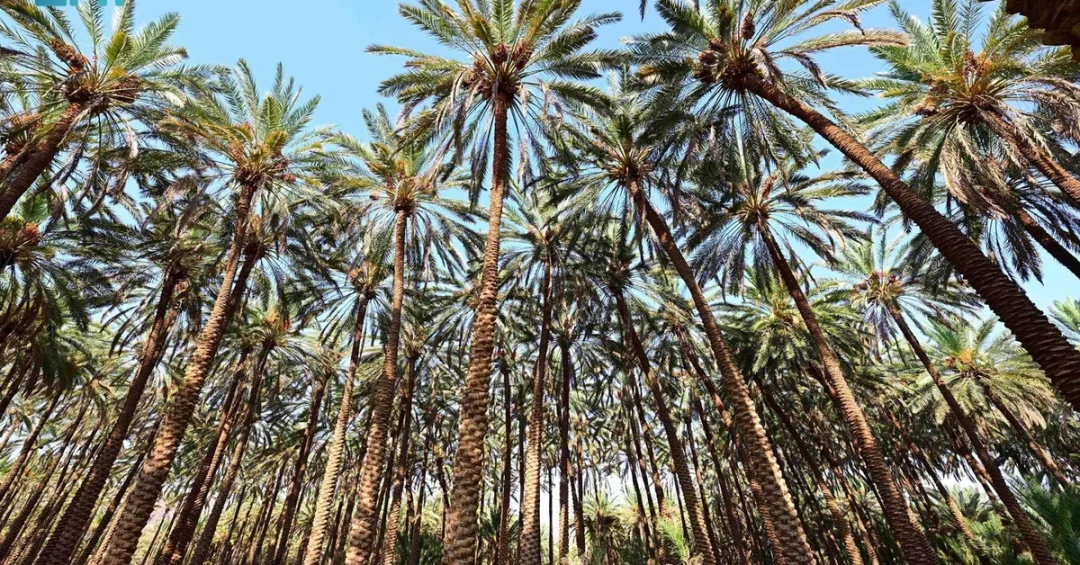
The palm farms of AlUla, under the support of the Royal Commission for AlUla Governorate, are currently in the midst of their annual date harvest season, producing over 116,000 tons of high-quality dates each year from a vast agricultural expanse. This season, which runs from August 15 to October 30, highlights the economic significance of palm farming in AlUla, further establishing the region as a hub of both agriculture and tourism. The Burni variety is among the most prominent produced, with the region’s fertile soil and abundant freshwater resources contributing to the distinctive taste and quality of the harvest.
Context and Background
AlUla is located in northwestern Saudi Arabia, an area historically known for its rich agricultural heritage and strategic position along ancient trade routes. The palm farms span approximately 16,579 hectares and are home to over 3.1 million palm trees, making the date industry a cornerstone of the local economy. The Royal Commission for AlUla Governorate actively supports and encourages farmers by promoting agricultural preservation, expansion, and product marketing, including organizing events and festivals dedicated to dates that attract significant interest from citizens and tourists alike.
Key Details
The annual date harvest in AlUla involves a diverse range of date varieties, with the Burni variety being particularly prominent due to its high market demand. The season runs from August 15 to October 30, aligning with optimal growing conditions. The Royal Commission for AlUla Governorate plays a key role in supporting farmers through initiatives that enhance productivity and market access. These efforts include training programs, infrastructure improvements, and promotional events that showcase AlUla’s dates to a wider audience.
Implications and Impact
The thriving date production industry in AlUla not only supports local livelihoods but also bolsters the Kingdom’s agricultural economy and food security goals. The integration of tourism with agriculture, through date festivals and farm visits, promotes cultural heritage and creates new economic opportunities. This dual focus aligns with Saudi Arabia’s broader strategy to diversify its economy and enhance the quality of life for its citizens, while also attracting international visitors to the region’s unique attractions.
Vision 2030 Alignment
The development of AlUla’s palm farms and the promotion of its date production are direct contributors to Saudi Arabia’s Vision 2030 goals of economic diversification, sustainable agriculture, and tourism expansion. By sustainably managing natural resources and supporting local farmers, the initiative supports the Kingdom’s ambition to become a global leader in quality agricultural products and a premier tourist destination. This forward-looking approach ensures that AlUla continues to solidify its reputation as a key player in the Kingdom’s agricultural economy and a vibrant cultural landmark for generations to come.
20 Questions
Q1. What is the annual date production of AlUla’s palm farms?
A1. The palm farms in AlUla produce over 116,000 tons of dates each year, according to the Royal Commission for AlUla Governorate.
Q2. How many palm trees are in AlUla?
A2. AlUla’s palm farms are home to over 3.1 million palm trees, spreading across approximately 16,579 hectares of agricultural land.
Q3. When does the date harvest season take place in AlUla?
A3. The annual date harvest season in AlUla runs from August 15 to October 30 each year, as announced by official Saudi sources.
Q4. Which date variety is most prominent in AlUla?
A4. The Burni variety is the most prominent among the diverse types of dates produced in AlUla’s palm farms.
Q5. What factors contribute to the high quality of AlUla’s dates?
A5. The high quality and distinctive taste of AlUla’s dates are attributed to the region’s fertile soil and abundant freshwater resources.
Q6. Which government body supports AlUla’s palm farmers?
A6. The Royal Commission for AlUla Governorate actively supports and encourages farmers through agricultural preservation and marketing initiatives.
Q7. How does the Royal Commission support date farmers?
A7. The Commission promotes agricultural preservation, expansion, product marketing, and organizes events and festivals dedicated to dates.
Q8. Do date festivals attract tourists in AlUla?
A8. Yes, events and festivals dedicated to dates attract significant interest from citizens and tourists alike, boosting local tourism.
Q9. What is the geographical area of AlUla’s palm farms?
A9. AlUla’s palm farms span approximately 16,579 hectares of agricultural land in northwestern Saudi Arabia.
Q10. How does AlUla’s date industry contribute to the local economy?
A10. The date industry is a vital economic contributor, supporting local livelihoods through production, marketing, and related tourism activities.
Q11. Is AlUla only an agricultural hub?
A11. AlUla is also a prominent tourist destination, known for its heritage sites and agricultural products like dates.
Q12. What role does tourism play in AlUla’s date industry?
A12. Tourism complements agriculture through date festivals and farm visits, promoting cultural heritage and economic diversification.
Q13. How does the date industry align with Vision 2030?
A13. The industry supports Vision 2030 goals of economic diversification, sustainable agriculture, and tourism expansion for Saudi Arabia.
Q14. What is the significance of the Burni date variety?
A14. The Burni variety is the most prominent in AlUla due to its high quality, taste, and market demand.
Q15. How many hectares do AlUla’s palm farms cover?
A15. AlUla’s palm farms cover approximately 16,579 hectares, housing over 3.1 million palm trees.
Q16. Does AlUla produce other agricultural products?
A16. While dates are a primary product, AlUla also produces other crops, benefiting from its fertile soil and water resources.
Q17. What official source announced the date harvest season?
A17. The Saudi Press Agency (SPA) reported on the date harvest season as part of official Saudi government communications.
Q18. How does AlUla ensure the sustainability of its palm farms?
A18. The Royal Commission promotes agricultural preservation and sustainable practices to maintain the productivity of palm farms.
Q19. What months does the date harvest season cover?
A19. The date harvest season in AlUla covers the period from August 15 to October 30 annually.
Q20. Why is AlUla considered a key player in the Kingdom’s agricultural economy?
A20. AlUla’s thriving date production, supported by official initiatives, establishes it as a major contributor to Saudi Arabia’s agricultural sector and overall economy.
Reader Feedback
We value your thoughts. Please share your feedback on this article.
Your feedback helps us improve our coverage.