


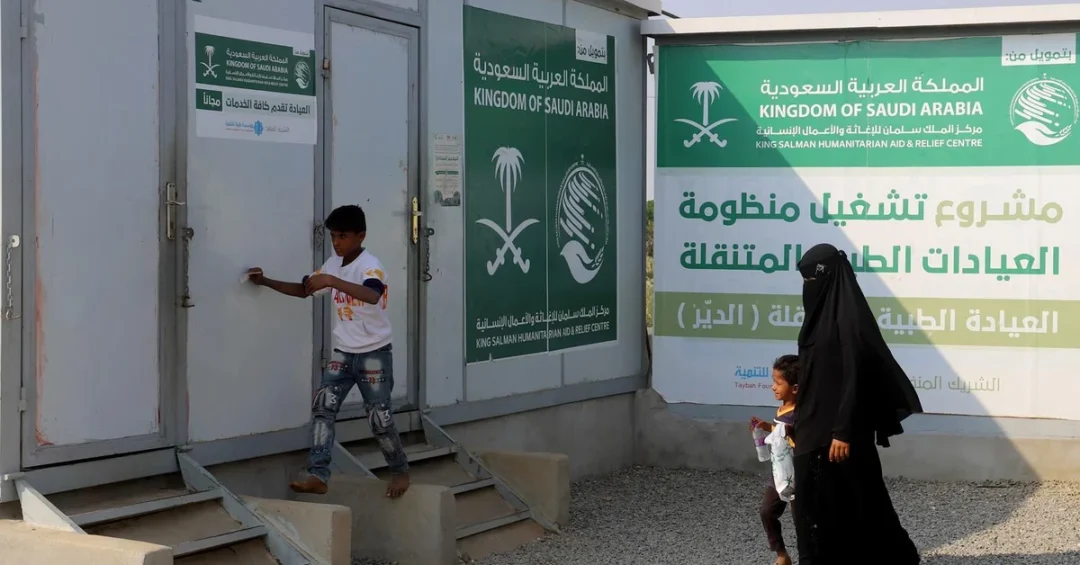
Mobile medical clinics operated by the King Salman Humanitarian Aid and Relief Center (KSrelief) provided essential healthcare services to 2,364 individuals in the Hayran district of Hajjah, Yemen, during July 2024. This humanitarian effort, announced by the Saudi Press Agency (SPA), underscores Saudi Arabia’s commitment to alleviating the suffering of the Yemeni people through targeted medical assistance in underserved areas.
Context and Background
KSrelief, the Kingdom of Saudi Arabia’s flagship humanitarian agency, has been actively conducting relief operations in Yemen since the onset of the conflict. The clinics in Azlat Al-Deir are part of a broader initiative to deliver primary healthcare to remote communities with limited access to medical facilities. This operation highlights Saudi Arabia’s ongoing role as a major international donor and its dedication to supporting stability and health in Yemen under the framework of the UN-brokered humanitarian response.
Key Details of Medical Services
Over the month of July, the clinics provided diversified care: the emergency clinic served 1,109 patients, the internal medicine clinic treated 764 beneficiaries, and the epidemic control clinic addressed 449 individuals. Additionally, the reproductive health clinic assisted 34 beneficiaries, and the awareness and education clinic provided guidance to 8 visitors. Accompanying services included nursing care for 1,491 patients, eight waste disposal operations, and surgical dressing procedures for 11 beneficiaries. Notably, medications were dispensed to all 2,345 patients who sought treatment, ensuring comprehensive support.
Impact on Local Communities
This medical mission directly addresses critical health needs in Hajjah Governorate, a region affected by displacement and limited infrastructure. By offering emergency, epidemic control, and reproductive health services, KSrelief’s clinics help reduce the burden on local hospitals and prevent outbreaks of preventable diseases. The inclusion of awareness programs further empowers residents with health education, promoting long-term well-being in these vulnerable communities.
Implications and Regional Significance
KSrelief’s sustained engagement in Yemen reflects Saudi Arabia’s strategic priority to support humanitarian stability in the region. The Kingdom, through such initiatives, contributes to building trust and fostering conditions for durable peace. This clinic operation also aligns with international efforts to achieve the UN Sustainable Development Goals, particularly in health and well-being, demonstrating Saudi leadership in global humanitarian cooperation.
Vision 2030 Alignment
This humanitarian endeavor is a direct manifestation of Saudi Arabia’s Vision 2030, which emphasizes the Kingdom’s role as a global humanitarian power. By providing life-saving medical care and promoting health security in conflict-affected regions, KSrelief reinforces Saudi Arabia’s commitment to international solidarity and its aspiration to be a model of compassionate engagement. Such actions pave the way for a more stable and prosperous Yemen, supporting the broader goals of peace and sustainable development that underpin Vision 2030.
20 Questions
Q1. What is KSrelief?
A1. The King Salman Humanitarian Aid and Relief Center (KSrelief) is Saudi Arabia’s official humanitarian agency, established in 2015 to coordinate and deliver global relief efforts.
Q2. Where are the mobile clinics located?
A2. The clinics are situated in Azlat Al-Deir, Hayran district, in the Hajjah Governorate of Yemen, a region with limited medical access.
Q3. How many patients were served in July 2024?
A3. A total of 2,364 individuals received medical services across the various clinics operated by KSrelief in July 2024.
Q4. Which clinic treated the most patients?
A4. The emergency clinic assisted the highest number, serving 1,109 patients during the month.
Q5. What services did the internal medicine clinic provide?
A5. The internal medicine clinic treated 764 beneficiaries for chronic and acute medical conditions.
Q6. How many patients visited the epidemic control clinic?
A6. The epidemic control clinic treated 449 individuals, focusing on infectious disease prevention and management.
Q7. Did the clinics offer reproductive health services?
A7. Yes, the reproductive health clinic served 34 beneficiaries, providing essential maternal and child health care.
Q8. What was the role of the awareness and education clinic?
A8. It promoted health hygiene and disease prevention education, receiving 8 visitors in July.
Q9. How many people received nursing care?
A9. The nursing services clinic provided care to 1,491 individuals, offering follow-up and basic medical support.
Q10. Were any waste management activities conducted?
A10. Yes, eight waste disposal activities were successfully carried out to maintain hygiene at the clinic sites.
Q11. How many patients received medications?
A11. All 2,345 individuals who sought medical assistance at the clinics were provided with necessary medications.
Q12. What country operates KSrelief?
A12. KSrelief is operated by the Kingdom of Saudi Arabia, under the direction of King Salman bin Abdulaziz Al Saud.
Q13. Why is KSrelief active in Yemen?
A13. Saudi Arabia provides humanitarian aid to Yemen to support stability, alleviate suffering, and contribute to peace efforts in the region.
Q14. Is this clinic part of a larger initiative?
A14. Yes, it is one of many KSrelief programs delivering health and relief services across multiple Yemeni governorates.
Q15. How does KSrelief select areas for clinics?
A15. Locations are chosen based on need assessments, focusing on remote or conflict-affected areas with poor healthcare infrastructure.
Q16. Does KSrelief work with international partners?
A16. Yes, KSrelief often collaborates with UN agencies and international NGOs to coordinate effective humanitarian responses.
Q17. What impact does this clinic have on local health?
A17. It reduces pressure on local hospitals, prevents disease outbreaks, and improves access to primary care for vulnerable populations.
Q18. How does this align with Vision 2030?
A18. It reflects Saudi Arabia’s Vision 2030 goal of becoming a leading global humanitarian donor, promoting peace and sustainable development.
Q19. Is this service free for patients?
A19. Yes, all services and medications provided by KSrelief clinics are offered free of charge to beneficiaries.
Q20. What is the long-term goal of such missions?
A20. The long-term goal is to support health system resilience, foster stability, and empower communities toward self-sufficiency in Yemen.
Reader Feedback
We value your thoughts. Please share your feedback on this article.
Your feedback helps us improve our coverage.