


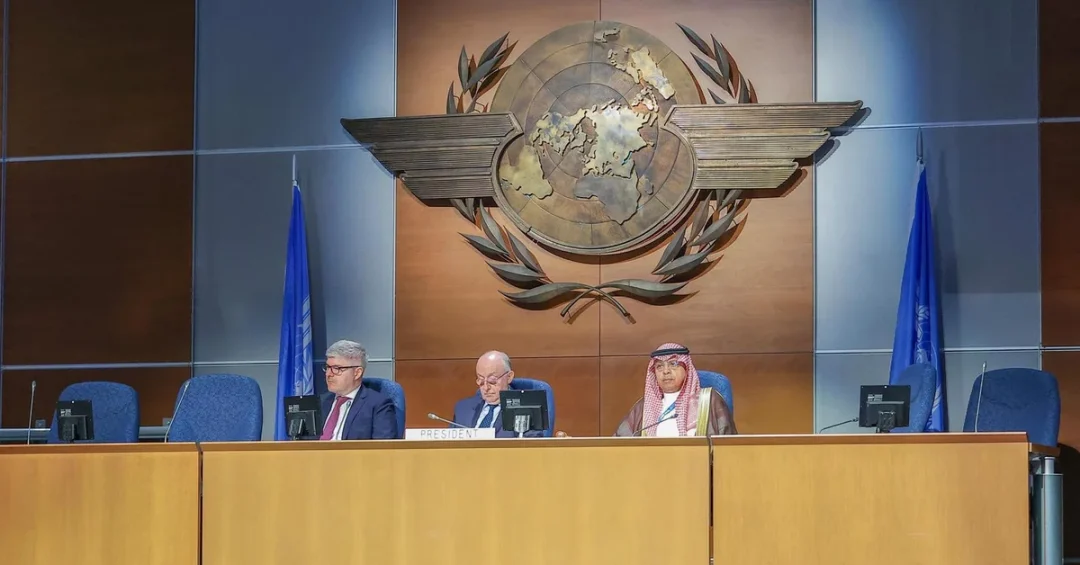
Saudi Arabia, represented by General Authority of Civil Aviation (GACA) President Abdulaziz Al-Duailej, called on global civil aviation authorities to collaboratively usher in a new era of aviation during the International Civil Aviation Organization (ICAO) Advanced Air Mobility Symposium held in Montreal, Canada, from September 9 to 12, 2024. In his opening speech, Al-Duailej, who also serves as the Arab Civil Aviation Organization executive council president, urged collective efforts to exchange knowledge, address challenges, and build partnerships to ensure the success of advanced air mobility technologies worldwide.
Context and Background
The symposium, attended by ICAO Council President Salvatore Sciacchitano, representatives from ICAO member states, and global aviation leaders, provided a platform for Saudi Arabia to highlight its pioneering role in international civil aviation. The Kingdom was chosen to deliver the opening speech to aviation leaders from over 75 countries, a recognition that solidifies its global leadership in the aviation industry. Saudi Arabia’s strategic location, connecting Asia, Africa, and Europe, positions it as a gateway to the world and a global hub for trade and tourism.
Key Details
During the forum, the Kingdom presented its Advanced Air Mobility roadmap, launched in 2024 and aligned with the national aviation strategy. This roadmap encompasses seven key pillars: adopting technological solutions, developing infrastructure, achieving comprehensive governance, building trust, attracting investments, setting regulations and systems, and empowering human capital. Saudi Arabia also highlighted its hosting of the third Future Aviation Forum 2024 in May, under the patronage of the Custodian of the Two Holy Mosques, King Salman bin Abdulaziz Al Saud, which featured the participation of seven advanced air transport aircraft in the accompanying exhibition, making it the largest gathering of such aircraft globally.
Additionally, the Kingdom shared its successful experience with air taxi operations during the previous Hajj season in June, conducted by GACA, as an example of how advanced air mobility can enhance various aspects of life. Saudi Arabia emphasized the need to expand this technology to assist the millions of pilgrims who visit holy sites annually and unveiled future plans to establish a capabilities center by 2028, focusing on training local talents and attracting top global minds.
Implications and Impact
During the symposium, ICAO awarded the Global Advanced Air Mobility Academic Paper Competition prize to students from King Abdullah University of Science and Technology (KAUST). This accolade underscores the Kingdom’s potential in advanced air mobility, successfully integrating and empowering the sector in line with its ambitious goal to achieve net-zero carbon emissions by 2060. The recognition reinforces Saudi Arabia’s commitment to advanced research and its investments in Vertical Take-Off and Landing (VTOL) aircraft. The global call for collaboration aims to accelerate the adoption of advanced air mobility, fostering innovation and sustainability in aviation worldwide.
Vision 2030 Alignment
Saudi Arabia’s leadership at the ICAO symposium and its strategic initiatives in advanced air mobility are directly aligned with Vision 2030, the Kingdom’s comprehensive plan for economic diversification and modernization. By positioning itself as a global aviation hub, investing in cutting-edge technologies, and fostering human capital, Saudi Arabia is driving progress toward a sustainable and innovative future. The call for international cooperation and the development of advanced air mobility solutions will enhance the Kingdom’s connectivity, support tourism, and contribute to the ambitious goal of net-zero emissions by 2060, reinforcing its role as a key player in the global aviation landscape.
20 Questions
Q1. What was the main call made by Saudi Arabia at the ICAO symposium?
A1. Saudi Arabia called on global civil aviation authorities to collaborate and usher in a new era of aviation, focusing on advanced air mobility technologies and international cooperation.
Q2. Who represented Saudi Arabia at the ICAO Advanced Air Mobility Symposium?
A2. GACA President Abdulaziz Al-Duailej represented Saudi Arabia, also serving as the Arab Civil Aviation Organization executive council president.
Q3. Where and when was the ICAO Advanced Air Mobility Symposium held?
A3. The symposium was held in Montreal, Canada, from September 9 to 12, 2024.
Q4. Why was Saudi Arabia chosen to deliver the opening speech at the symposium?
A4. Saudi Arabia was chosen due to its pioneering role in international civil aviation, particularly in advanced aviation, and its strategic location as a global hub.
Q5. How many countries were represented at the symposium?
A5. Aviation leaders from over 75 countries attended the event.
Q6. What is the Advanced Air Mobility roadmap launched by Saudi Arabia in 2024?
A6. It is a strategic plan aligned with the national aviation strategy, based on seven pillars including technology, infrastructure, governance, trust, investments, regulations, and human capital.
Q7. What are the seven pillars of the Advanced Air Mobility roadmap?
A7. The pillars are: adopting technological solutions, developing infrastructure, achieving comprehensive governance, building trust, attracting investments, setting regulations and systems, and empowering human capital.
Q8. What significant event did Saudi Arabia host in May 2024 related to aviation?
A8. Saudi Arabia hosted the third edition of the Future Aviation Forum 2024, under the patronage of King Salman bin Abdulaziz Al Saud.
Q9. What was unique about the Future Aviation Forum 2024 exhibition?
A9. The exhibition featured seven advanced air transport aircraft, making it the largest gathering of such aircraft types in the world.
Q10. How did Saudi Arabia demonstrate advanced air mobility during Hajj?
A10. Saudi Arabia conducted air taxi operations during the Hajj season in June 2024, showcasing the role of advanced air mobility for pilgrims.
Q11. What is Saudi Arabia’s goal regarding net-zero carbon emissions?
A11. Saudi Arabia aims to achieve net-zero carbon emissions by 2060.
Q12. Which university students received the ICAO academic paper competition award?
A12. Students from King Abdullah University of Science and Technology (KAUST) received the Global Advanced Air Mobility Academic Paper Competition award.
Q13. What is the goal of the planned capabilities center by 2028?
A13. The center will focus on training local talents and attracting top minds from around the world in advanced air mobility.
Q14. Who is the ICAO Council President?
A14. The ICAO Council President is Salvatore Sciacchitano.
Q15. How does Saudi Arabia’s strategic location benefit its aviation sector?
A15. Its location connecting Asia, Africa, and Europe makes it a global gateway for trade and tourism.
Q16. What is the role of GACA in Saudi Arabia’s aviation sector?
A16. GACA is the General Authority of Civil Aviation, responsible for regulating and advancing the aviation industry in Saudi Arabia.
Q17. What type of aircraft is Saudi Arabia investing in for advanced mobility?
A17. Saudi Arabia is investing in Vertical Take-Off and Landing (VTOL) aircraft.
Q18. How does the Future Aviation Forum align with Vision 2030?
A18. The forum promotes innovation, investment, and global partnerships, supporting Vision 2030’s goals for economic diversification and modernization.
Q19. What did Saudi Arabia emphasize about expanding advanced air mobility technology?
A19. The Kingdom emphasized its importance for enabling millions of pilgrims visiting holy sites annually and for broader societal benefits.
Q20. How did the symposium highlight Saudi Arabia’s role in global aviation?
A20. Saudi Arabia’s selection to deliver the opening speech and its showcase of initiatives reinforced its global leadership and commitment to aviation innovation.
Reader Feedback
We value your thoughts. Please share your feedback on this article.
Your feedback helps us improve our coverage.