


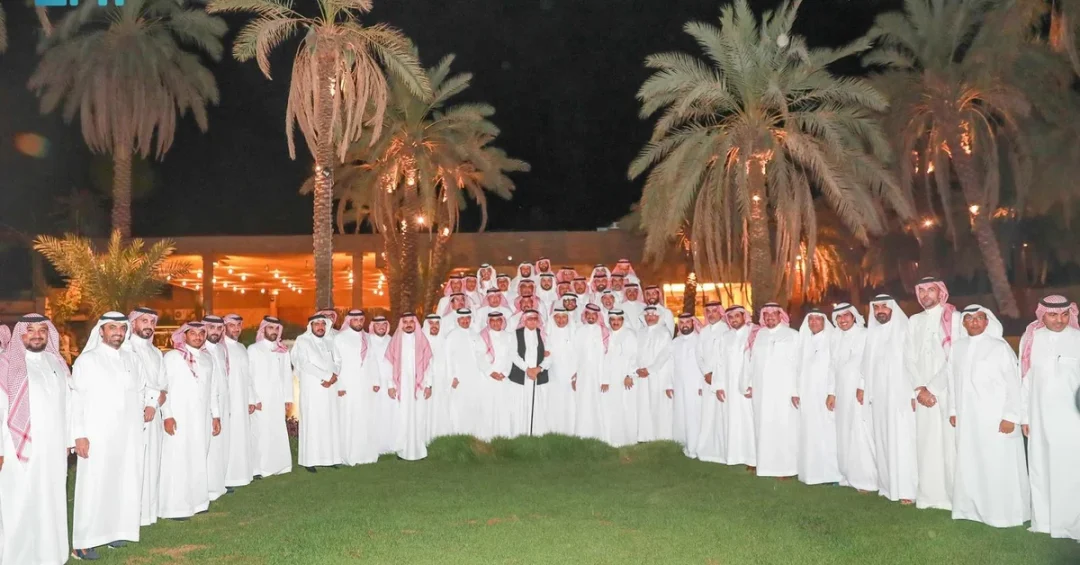
The Federation of Saudi Chambers has announced a significant expansion of its national committees, increasing their number from 37 to 60, according to Chairman Hassan Alhwaizy. This development, highlighted during the first meeting of the national committees development project in Riyadh, underscores the growing role of these bodies in shaping the Kingdom’s economic landscape and supporting its strategic objectives.
Context and Background
The expansion of national committees reflects a deliberate effort by the Federation of Saudi Chambers to strengthen representation across diverse economic sectors. With over 50 committee members in attendance, the meeting emphasized the committees’ enhanced capacity to contribute to government decision-making and align with Vision 2030 goals. The Federation’s board of directors, supported by the Ministry of Commerce, has worked to enable committee operations through improved regulations, human resources, economic studies, automation, governance, and coordination.
Key Details
Chairman Alhwaizy stated that the committees will receive full support and empowerment to fulfill their economic roles effectively. The national committees have been developed to better represent commercial activities, convey the voice of economic sectors to government officials, address sector-specific challenges, and contribute to legislation. Participants recommended forming coordinating committees to address common issues and advance the Kingdom’s economic aspirations.
Implications and Impact
This expansion is expected to enhance the private sector’s engagement in policy formulation, ensuring that businesses across the Kingdom have a structured channel to communicate their needs and priorities. By broadening representation, the initiative aims to foster a more inclusive economic environment, supporting the diversification goals central to Saudi Arabia’s long-term strategy. The move also positions the Federation of Saudi Chambers as a key partner in implementing national economic reforms.
Vision 2030 Alignment
This development directly supports Vision 2030 objectives by strengthening the private sector’s role in economic decision-making and fostering a business-friendly ecosystem. The increased number of national committees will enable more specialized and effective input into regulations and policies, accelerating the Kingdom’s transformation into a diversified, globally competitive economy. The Federation of Saudi Chambers continues to play a pivotal role in realizing this national vision through enhanced institutional capacity and sectoral representation.
20 Questions
Q1. What is the Federation of Saudi Chambers?
A1. The Federation of Saudi Chambers is the official umbrella organization representing chambers of commerce and industry across the Kingdom, working to support economic development and private sector growth.
Q2. Who is Hassan Alhwaizy?
A2. Hassan Alhwaizy is the Chairman of the Federation of Saudi Chambers, leading efforts to enhance the role of national committees in shaping Saudi Arabia’s economic future.
Q3. How many national committees now exist?
A3. The number of national committees has increased from 37 to 60, reflecting the growing importance of these bodies in representing economic sectors and supporting national goals.
Q4. What was the purpose of the first meeting of the national committees development project?
A4. The meeting aimed to discuss the development of national committees, enhance their effectiveness, and align their work with Vision 2030 objectives, with over 50 committee members attending.
Q5. How do national committees contribute to the Saudi economy?
A5. National committees represent specific economic sectors, convey their needs to government officials, address challenges, contribute to legislation, and help achieve national economic goals.
Q6. What support will the national committees receive?
A6. Chairman Alhwaizy confirmed that committees will receive full support and empowerment, including improved regulations, human resources, economic studies, automation, and governance.
Q7. Which ministry supports the Federation of Saudi Chambers?
A7. The Ministry of Commerce supports the Federation’s board of directors in enabling national committees to operate effectively and align with Vision 2030.
Q8. Why is the expansion of national committees important?
A8. The expansion increases sectoral representation, allowing more industries to have a voice in policymaking and economic reform, which is vital for diversification under Vision 2030.
Q9. What recommendations emerged from the meeting?
A9. Participants recommended forming coordinating committees to address common issues and advance the Kingdom’s economic aspirations efficiently.
Q10. How do national committees align with Vision 2030?
A10. The committees support Vision 2030 by enhancing private sector participation in decision-making, fostering a business-friendly environment, and promoting economic diversification.
Q11. What is the role of the Ministry of Commerce in this initiative?
A11. The Ministry of Commerce provides regulatory support and guidance to the Federation of Saudi Chambers, helping enable the committees to function effectively and contribute to national development.
Q12. How many committee members attended the first meeting?
A12. Over 50 committee members attended the first meeting of the national committees development project in Riyadh.
Q13. What sectors do national committees represent?
A13. National committees represent a wide range of commercial and industrial sectors, ensuring that diverse economic activities have structured representation in government discussions.
Q14. How do national committees help in legislation?
A14. They provide expert input from specific industries, helping shape regulations and laws that support economic growth and align with national priorities.
Q15. What is the governance structure of national committees?
A15. The committees operate under the Federation of Saudi Chambers, with oversight from the board of directors and support from the Ministry of Commerce, ensuring transparency and effectiveness.
Q16. How does automation benefit the national committees?
A16. Automation improves efficiency in operations, data management, and communication, enabling committees to focus on their core role of representing economic sectors.
Q17. What is the significance of the increase from 37 to 60 committees?
A17. The increase signals a broader and more inclusive approach to economic representation, allowing more sectors to participate actively in shaping Saudi Arabia’s economic policies.
Q18. Who can join a national committee?
A18. Membership typically includes business leaders and experts from the respective economic sectors, appointed or elected through the Federation of Saudi Chambers’ processes.
Q19. How do national committees address sector-specific challenges?
A19. They identify obstacles faced by their sectors, propose solutions, and advocate for policy changes through direct engagement with government officials.
Q20. What is the future outlook for national committees?
A20. With continued support and empowerment, national committees are expected to play an increasingly vital role in achieving Vision 2030 and strengthening Saudi Arabia’s global economic standing.
Reader Feedback
We value your thoughts. Please share your feedback on this article.
Your feedback helps us improve our coverage.