


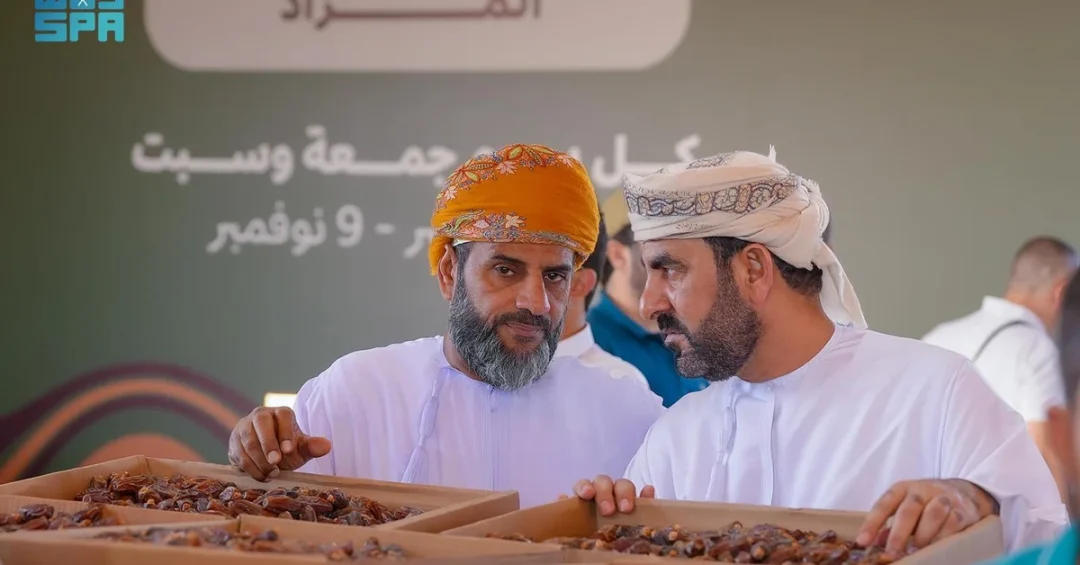
The AlUla Dates Auction has entered its third week of successful operations, attracting a significant number of visitors from across the Kingdom of Saudi Arabia and abroad. Organized by the Royal Commission for AlUla in collaboration with several governmental and private entities, the auction showcases a wide variety of high-quality dates that have been widely praised by attendees for their exceptional standards and variety. The auction takes place every Friday and Saturday until November 9, serving as a key marketplace for date traders and enthusiasts.
Context and Background
The AlUla governorate is home to over three million palm trees, which collectively produce more than 120,000 tons of export-quality standard dates annually. This agricultural abundance positions AlUla as a vital hub within Saudi Arabia’s date industry. The auction is a central component of the broader AlUla Dates Season, which aims to celebrate and promote the region’s rich agricultural heritage while supporting local farmers and traders.
Key Details
Beyond the auction itself, the AlUla Dates Season will expand in October with the launch of the Dates Market in the Al-Manshiyah neighborhood. Accompanying events and activities will focus on AlUla’s cultural and historical legacy, offering visitors immersive experiences. The season will also explore creative and innovative uses of dates, including culinary applications and the development of date-based products and by-products, demonstrating the versatility of this traditional crop.
Implications and Impact
The auction and the wider Dates Season play a pivotal role in boosting the competitiveness of AlUla dates in local, regional, and global markets. By providing a structured platform for trade and innovation, the event helps strengthen the economic foundation of the governorate. It also enhances the international profile of Saudi dates, attracting buyers and visitors who contribute to the local tourism and agricultural sectors.
Vision 2030 Alignment
The AlUla Dates Auction and associated initiatives align directly with the Kingdom’s Vision 2030, which aspires to make Saudi Arabia the world’s leading exporter of dates. By supporting agricultural excellence, economic diversification, and heritage preservation, these efforts contribute to building a sustainable and prosperous future for AlUla and the nation as a whole.
20 Questions
Q1. What is the AlUla Dates Auction?
A1. The AlUla Dates Auction is a weekly event organized by the Royal Commission for AlUla, featuring a wide variety of high-quality dates and by-products for trade and sale.
Q2. When does the auction take place?
A2. The auction runs every Friday and Saturday until November 9, providing regular opportunities for traders and visitors to participate.
Q3. Who organizes the AlUla Dates Auction?
A3. The auction is organized by the Royal Commission for AlUla in collaboration with various governmental and private entities.
Q4. Why is the auction important for AlUla?
A4. The auction boosts the competitiveness of AlUla dates in local and global markets, supporting the regional economy and agricultural sector.
Q5. How many palm trees are in AlUla governorate?
A5. AlUla governorate is home to over three million palm trees, producing more than 120,000 tons of export-quality dates annually.
Q6. What is the AlUla Dates Season?
A6. The AlUla Dates Season is a broader initiative that includes the auction, market events, and cultural activities celebrating AlUla’s date heritage.
Q7. When will the Dates Market launch?
A7. The Dates Market will launch in October in the Al-Manshiyah neighborhood as part of the season’s expansion.
Q8. What types of products are featured at the auction?
A8. The auction features a wide array of date products and by-products, highlighting traditional and innovative uses of dates.
Q9. Who can attend the AlUla Dates Auction?
A9. The auction is open to visitors from the Kingdom and abroad, including traders, consumers, and tourists.
Q10. How does the auction support Vision 2030?
A10. The auction aligns with Vision 2030 by aiming to make Saudi Arabia the world’s largest exporter of dates through enhanced competitiveness.
Q11. What is the economic impact of the auction?
A11. The auction provides a platform for trade, boosting local income, supporting farmers, and attracting international buyers.
Q12. Are there cultural events during the season?
A12. Yes, the season includes heritage-centered events and activities that showcase AlUla’s cultural richness and history.
Q13. How does the auction improve date quality?
A13. The auction encourages high standards by displaying premium dates, fostering competition and innovation among producers.
Q14. What is the role of the Royal Commission for AlUla?
A14. The Royal Commission for AlUla oversees the sustainable development of AlUla, including agricultural and tourism initiatives like the auction.
Q15. Can visitors buy dates directly at the auction?
A15. Yes, visitors can purchase dates and date-based products directly from traders at the auction venue.
Q16. How long does the auction season last?
A16. The auction season runs from late September until November 9, with weekly sessions every Friday and Saturday.
Q17. What makes AlUla dates unique?
A17. AlUla dates are known for their high quality, variety, and production standards, supported by ideal growing conditions.
Q18. Are there creative uses for dates featured?
A18. Yes, the season explores culinary and product innovations, highlighting dates in diverse applications beyond traditional consumption.
Q19. How does the auction attract international attention?
A19. The auction draws global visitors and buyers through its reputation for quality, organization, and alignment with Saudi Arabia’s vision.
Q20. What is the future outlook for AlUla dates?
A20. Continued growth is expected, with strengthened global market presence and further integration into Vision 2030’s economic diversification goals.
Reader Feedback
We value your thoughts. Please share your feedback on this article.
Your feedback helps us improve our coverage.