


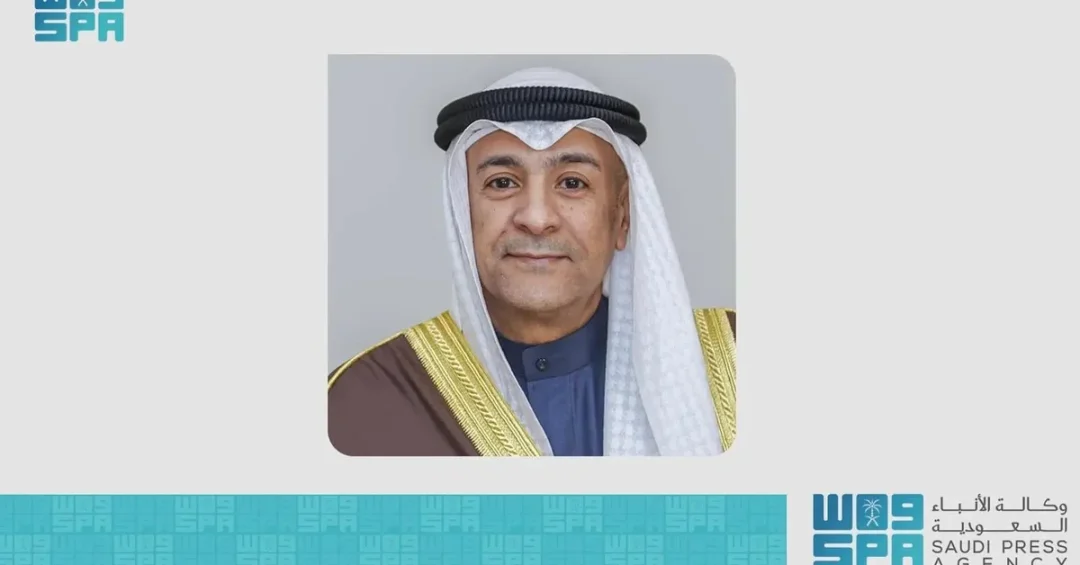
GCC Secretary-General Jassim Mohammed Al-Budaiwi met with Republic of Korea Foreign Minister Cho Tae-Yul on September 28, 2024, on the sidelines of the 79th United Nations General Assembly meeting in New York. The two officials underscored the importance of advancing strategic dialogue between the Gulf Cooperation Council (GCC) and the Republic of Korea, building on the robust framework outlined in their joint action plan. The meeting reflects the deepening ties between the GCC and one of Asia’s leading economies.
Context and Background
The encounter between Secretary-General Al-Budaiwi and Foreign Minister Cho occurred during a period of heightened diplomatic engagement between the GCC and the Republic of Korea. Both sides have been working to expand cooperation beyond traditional trade and energy sectors into areas such as technology, infrastructure, and cultural exchange. The GCC, comprising Bahrain, Kuwait, Oman, Qatar, Saudi Arabia, and the United Arab Emirates, views the Republic of Korea as a key partner in its efforts to diversify economic partnerships and foster stability in the region.
Key Details
During the meeting, the officials emphasized the need to strengthen fruitful cooperation and reviewed updates on the Free Trade Agreement (FTA) signed between the GCC and the Republic of Korea in December 2023. This agreement is poised to enhance bilateral trade volumes, reduce barriers, and create new opportunities for businesses in sectors ranging from petrochemicals to renewable energy. The discussions also touched on key regional issues of common interest, with both sides exchanging views on developments in the Middle East and the Korean Peninsula.
International Impact
The meeting underscores the GCC’s growing role as a global diplomatic hub and its commitment to fostering multilateral cooperation. The Republic of Korea, as a major global economy, benefits from enhanced ties with the GCC, which controls significant energy resources and is a gateway to broader markets. This strategic dialogue is expected to contribute to regional stability in both the Gulf and East Asia, reinforcing the importance of collaborative mechanisms for addressing shared challenges.
Vision 2030 Alignment
This engagement aligns with the Kingdom of Saudi Arabia’s Vision 2030, which prioritizes strengthening international partnerships to diversify the economy and promote innovation. Saudi Arabia, as a leading GCC member, supports agreements like the GCC-Korea FTA to open new markets for non-oil exports and attract foreign investment. The meeting between Secretary-General Al-Budaiwi and Foreign Minister Cho reflects the ongoing efforts to build a more interconnected and prosperous future, in harmony with the ambitions of Vision 2030 and the broader GCC strategic objectives.
20 Questions
Q1. Who met with the Korean Foreign Minister on the sidelines of the UN General Assembly?
A1. GCC Secretary-General Jassim Mohammed Al-Budaiwi met with Republic of Korea Foreign Minister Cho Tae-Yul during the 79th UN General Assembly in New York.
Q2. When did this meeting take place?
A2. The meeting took place on September 28, 2024, in New York City on the sidelines of the UN General Assembly.
Q3. What was the main focus of the meeting?
A3. The main focus was boosting strategic dialogue and cooperation between the GCC and the Republic of Korea through a joint action plan.
Q4. What trade agreement was discussed during the meeting?
A4. The officials discussed updates on the Free Trade Agreement signed by the GCC and the Republic of Korea in December 2023.
Q5. Why is the GCC-Korea FTA significant?
A5. It is significant because it aims to reduce trade barriers, increase bilateral trade volumes, and open new economic opportunities between the two regions.
Q6. Which countries are members of the GCC?
A6. The GCC members are Bahrain, Kuwait, Oman, Qatar, Saudi Arabia, and the United Arab Emirates.
Q7. How does this meeting support Saudi Arabia’s Vision 2030?
A7. It supports Vision 2030 by strengthening international partnerships, diversifying the economy, and attracting foreign investment from key allies like South Korea.
Q8. What regional issues were discussed?
A8. The officials exchanged views on key regional issues of common interest, including developments in the Middle East and the Korean Peninsula.
Q9. What is the role of the GCC in global diplomacy?
A9. The GCC acts as a platform for multilateral cooperation, promoting regional stability and economic integration in the Gulf and beyond.
Q10. How does the Republic of Korea benefit from ties with the GCC?
A10. South Korea benefits from enhanced access to energy resources, new markets for its exports, and stronger political alignment with a key strategic region.
Q11. What is the joint action plan mentioned in the meeting?
A11. The joint action plan outlines specific areas of cooperation between the GCC and South Korea, including trade, technology, and security.
Q12. Was the meeting held in a public or private setting?
A12. The meeting was held on the sidelines of the UN General Assembly, typically a private diplomatic setting for bilateral discussions.
Q13. Did the meeting result in any new agreements?
A13. No new agreements were announced; the focus was on reinforcing existing cooperation under the joint action plan and FTA.
Q14. What sectors could benefit from stronger GCC-Korea ties?
A14. Sectors such as petrochemicals, renewable energy, technology, infrastructure, and cultural exchange could benefit from stronger ties.
Q15. How does the GCC view South Korea as a partner?
A15. The GCC views South Korea as a key partner for economic diversification and stability, especially in technology and clean energy.
Q16. What is the significance of the UN General Assembly for such meetings?
A16. The UN General Assembly provides a neutral venue for world leaders and diplomats to hold bilateral meetings on global and regional issues.
Q17. Who officially reported the meeting’s details?
A17. The meeting was reported by the Saudi Press Agency (SPA), an official source for Saudi government news.
Q18. Is the GCC-Korea FTA fully implemented?
A18. No, the FTA was signed in December 2023 and is still in the implementation phase; updates were discussed at the meeting.
Q19. How often do GCC and Korean officials meet?
A19. They meet regularly at forums like the UN General Assembly and through bilateral channels to advance strategic dialogue.
Q20. What is the broader goal of the GCC’s foreign policy?
A20. The broader goal is to promote regional peace, economic integration, and global partnerships that support the prosperity of GCC member states.
Reader Feedback
We value your thoughts. Please share your feedback on this article.
Your feedback helps us improve our coverage.