


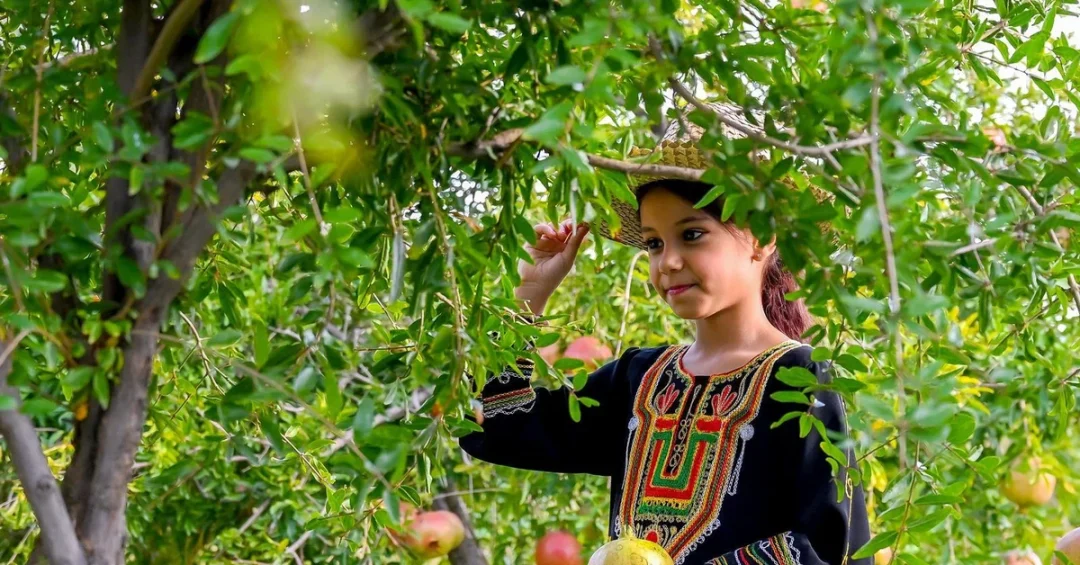
The Ministry of Environment, Water, and Agriculture has announced the launch of the “Pomegranate City” investment project in Al-Baha, a sprawling initiative covering 1.3 million square meters designed to elevate the region as a premier center for pomegranate cultivation. This strategic project seeks to boost local production, enhance the agricultural economy, and align with the Kingdom’s Vision 2030 goals of economic diversification and sustainable development. The announcement was made by the Ministry’s branch in Al-Baha, highlighting the region’s rich heritage of pomegranate farming.
Context and Background
Al-Baha has long been celebrated for its fertile lands and unique environment, which provide a comparative advantage for pomegranate cultivation. The region is renowned for producing pomegranates of superior quality and nutritional benefits, a tradition passed down through generations. The “Pomegranate City” project builds on this legacy, aiming to transform Al-Baha into a vital hub for the fruit, attracting investment and supporting local farmers through modern agricultural practices and knowledge transfer.
Key Details of the Initiative
Director of the Ministry’s branch in Al-Baha, Engineer Fahd bin Miftah Al-Zahrani, explained that the project includes granting 7,000 square meters to the Cooperative Association of Pomegranates to establish a nursery. This nursery will propagate trees using local genetic stock, ensuring consistent quality and increased production. Additionally, the initiative will support farmers through workshops led by agricultural experts, introducing the latest technologies and farming practices to boost yield and sustainability. The region currently produces an impressive 1,581 tons of pomegranates annually, which the project aims to increase significantly.
Implications and Impact
The project is expected to have far-reaching economic and social benefits for Al-Baha. The annual pomegranate festival, held in the city, plays a crucial role in promoting the fruit, attracting visitors, and providing a marketing platform for farmers. The rise of e-commerce and specialized packaging companies has also allowed Al-Baha pomegranates to reach customers locally and internationally, with farmers leveraging apps and online platforms to streamline distribution. This evolution is driven by young entrepreneurs from the region, highlighting the project’s role in fostering innovation and economic growth.
Vision 2030 Alignment
“Pomegranate City” is a clear reflection of Saudi Arabia’s commitment to sustainable agricultural development under Vision 2030. By enhancing local production and supporting farming communities, the project contributes to the Kingdom’s goals of food security, economic diversification, and rural development. As it gains momentum, this initiative is set to make Al-Baha a prominent destination for high-quality pomegranates, enriching the local economy and honoring generations of tradition while paving the way for a prosperous future.
20 Questions
Q1. What is Pomegranate City?
A1. Pomegranate City is a large-scale investment project in Al-Baha, Saudi Arabia, focusing on boosting pomegranate cultivation, local production, and the agricultural economy through modern practices and infrastructure.
Q2. Who announced the Pomegranate City project?
A2. The project was announced by the Ministry of Environment, Water, and Agriculture, highlighting its strategic importance for the region and alignment with Vision 2030.
Q3. How large is the Pomegranate City project?
A3. The project covers 1.3 million square meters of land in Al-Baha, making it a significant agricultural investment in the Kingdom.
Q4. What is the main goal of Pomegranate City?
A4. The main goal is to establish Al-Baha as a premier center for pomegranate cultivation, boosting local production and enhancing the agricultural economy.
Q5. How does Pomegranate City support local farmers?
A5. It provides workshops led by agricultural experts, introduces modern technologies, and establishes a nursery to propagate trees using local genetic stock.
Q6. What role does the Cooperative Association of Pomegranates play?
A6. The association has been granted 7,000 square meters to set up a nursery for propagating pomegranate trees, ensuring consistent quality and increased production.
Q7. Why is Al-Baha ideal for pomegranate farming?
A7. Al-Baha’s fertile lands and unique environment provide a comparative advantage, resulting in pomegranates of superior quality and nutritional benefits.
Q8. How much pomegranate does Al-Baha produce annually?
A8. The region produces approximately 1,581 tons of pomegranates every year, which the project aims to increase.
Q9. What is the annual pomegranate festival?
A9. It is an event that promotes pomegranates, attracts visitors, and provides a marketing platform for local farmers to showcase their produce.
Q10. How has e-commerce impacted pomegranate sales?
A10. E-commerce and specialized packaging companies have allowed Al-Baha pomegranates to reach customers locally and globally through apps and online platforms.
Q11. Who is Engineer Fahd bin Miftah Al-Zahrani?
A11. He is the Director of the Ministry of Environment, Water, and Agriculture’s branch in Al-Baha, overseeing the Pomegranate City project.
Q12. What traditions are honored in the project?
A12. The project honors centuries-old pomegranate farming traditions in Al-Baha, passed down from grandfathers and fathers, while integrating modern methods.
Q13. How does the project align with Vision 2030?
A13. It supports Vision 2030 goals of economic diversification, food security, and sustainable agricultural development by boosting local production.
Q14. What technologies are introduced to farmers?
A14. Farmers are introduced to the latest agricultural technologies, equipment, and best practices to ensure high yield and sustainability.
Q15. Who are the young entrepreneurs mentioned?
A15. Young entrepreneurs from the region have driven the marketing and distribution of pomegranates through e-commerce and packaging companies.
Q16. What is the potential international impact?
A16. The project may increase exports of Al-Baha pomegranates, strengthening Saudi Arabia’s position in the global fruit market.
Q17. How does the project benefit the local economy?
A17. It boosts agricultural output, creates jobs, and supports related industries like packaging and logistics, enriching the local economy.
Q18. What is the nursery’s purpose?
A18. The nursery propagates trees using local genetic stock to ensure consistent quality and increased pomegranate production.
Q19. Is the project sustainable?
A19. Yes, the project emphasizes sustainability by combining traditional knowledge with modern, eco-friendly farming practices.
Q20. What is the future outlook for Pomegranate City?
A20. The project is expected to make Al-Baha a globally recognized destination for high-quality pomegranates, driving long-term economic growth.
Reader Feedback
We value your thoughts. Please share your feedback on this article.
Your feedback helps us improve our coverage.