


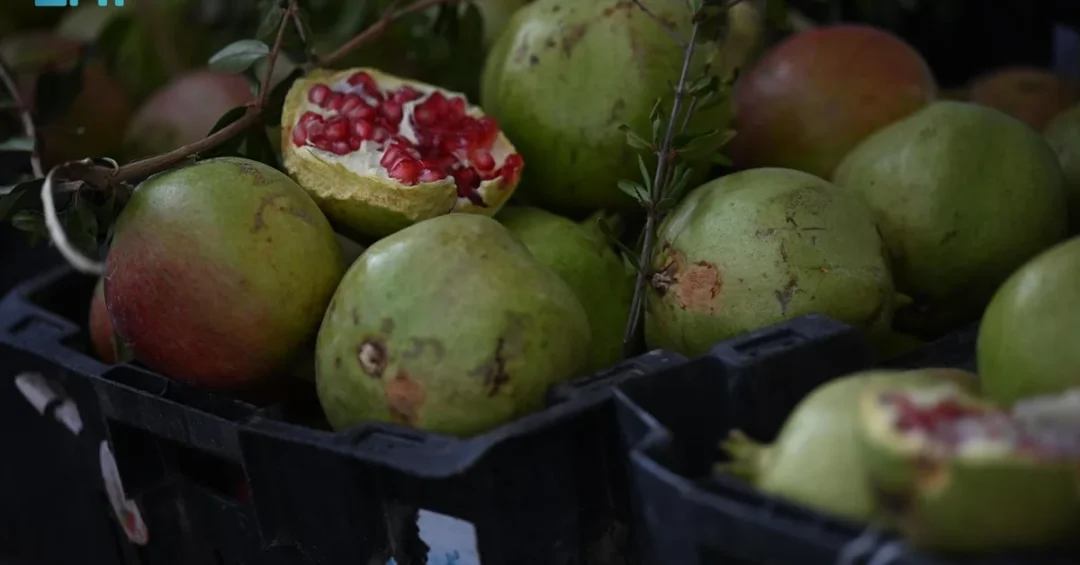
In the Aseer region of Saudi Arabia, pomegranates have become celebrated as the heralds of autumn, with the harvest season officially commencing in September 2024, according to the Saudi Press Agency (SPA). This year, local farmers report abundant production of high-quality pomegranates, a portion of which is sold at local markets while the surplus is exported throughout the Kingdom. The region’s unique climatic and agricultural conditions contribute to the fruit’s prominence, reinforcing Aseer’s reputation as a key agricultural hub aligned with Vision 2030’s goals of economic diversification and rural development.
Context and Background
The Aseer region, located in southwestern Saudi Arabia, is renowned for its fertile soil, moderate climate, and reliable water supply—conditions ideal for pomegranate cultivation. Agricultural Engineer Hassan bin Omair Al-Wadei, a researcher at the National Center for the Prevention and Control of Plant Pests and Animal Diseases (Weqaa), emphasized that pomegranates are one of the region’s key crops. The fruit, known locally as the “autumn fruit”, has deep cultural and economic significance, with several annual festivals dedicated to it, including the Jawf Al-Maamer Pomegranate Festival in Sarat Abidah, Al-Farshah, Ahad Rafidah, and Dhahran Al-Janoub. These events highlight the region’s agricultural heritage and support local farmers.
Key Details
Al-Wadei explained that farms across Aseer’s governorates produce various types of pomegranates, particularly southern varieties such as the Taifi, Makkah, and Egyptian Manfalouti. The success of this year’s harvest is attributed to proper agricultural practices, including pruning trees, preparing basins for irrigation, using natural fertilizers, and adhering to a precise irrigation schedule. During the flowering phase, irrigation occurs once every 10 days to prevent flower drop, while in the fruiting stage, regular irrigation resumes twice a week. Farmers also collaborate with the Ministry of Environment, Water, and Agriculture, primarily through the Weqaa Center, which provides an integrated farm management plan. Specialists assist with monitoring, guiding, and educating farmers on pest and disease control methods, notably for the “pomegranate fruit worm.” Pest control measures are halted a month before harvest to ensure consumer safety and minimize pesticide residues.
Implications and Impact
The abundant pomegranate production in Aseer underscores the region’s agricultural potential and its role in enhancing Saudi Arabia’s food security and economic resilience. By exporting surplus pomegranates across the Kingdom, the region supports local economies and reduces reliance on imported fruits. The involvement of the Ministry of Environment, Water, and Agriculture and the Weqaa Center demonstrates the government’s commitment to sustainable farming practices and rural development. These efforts align with broader national strategies to boost non-oil sectors and create employment opportunities in agriculture, contributing to a more diversified economy.
Vision 2030 Alignment
The cultivation and celebration of pomegranates in Aseer directly support Vision 2030’s objectives of enhancing agricultural productivity, promoting local heritage, and fostering economic diversification. By investing in high-quality crop production and community festivals, Saudi Arabia strengthens its rural communities and showcases its natural resources to a global audience. As the Kingdom continues to modernize, initiatives like the pomegranate harvest and related festivals serve as exemplars of sustainable development and cultural preservation, paving the way for a prosperous future aligned with Vision 2030’s ambitious goals.
20 Questions
Q1. What is the significance of pomegranates in the Aseer region?
A1. Pomegranates are celebrated as the “autumn fruit” in Aseer, marking the start of the harvest season in September. They are a key crop due to the region’s fertile soil, moderate climate, and reliable water supply, supporting local agriculture and culture.
Q2. When does the pomegranate harvest season begin in Aseer?
A2. The pomegranate harvest season in Aseer begins in September each year, as reported by the Saudi Press Agency. This timing coincides with the onset of autumn, making pomegranates a seasonal symbol.
Q3. Who is Hassan bin Omair Al-Wadei?
A3. Hassan bin Omair Al-Wadei is an Agricultural Engineer and researcher at the National Center for the Prevention and Control of Plant Pests and Animal Diseases (Weqaa). He provided expert insights on pomegranate cultivation in Aseer.
Q4. Which varieties of pomegranates are grown in Aseer?
A4. The Aseer region produces various pomegranate types, including southern varieties like Taifi, Makkah, and Egyptian Manfalouti. These varieties are adapted to local conditions and are popular in markets.
Q5. What agricultural practices ensure high-quality pomegranates in Aseer?
A5. Proper practices include pruning trees, preparing irrigation basins, using natural fertilizers, and following a scheduled irrigation plan. These steps help maximize fruit quality and yield.
Q6. How is irrigation managed during pomegranate flowering?
A6. During the flowering phase, irrigation is done once every 10 days to prevent flowers from falling. This careful timing supports successful fruit set and reduces stress on the plants.
Q7. What is the irrigation schedule for pomegranate fruiting stage?
A7. In the fruiting stage, irrigation resumes regularly, typically twice a week. This consistent watering helps develop large, juicy pomegranates and maintains tree health.
Q8. What role does the Weqaa Center play in pomegranate farming?
A8. The Weqaa Center provides an integrated farm management plan, offering monitoring, guidance, and education on pest and disease control. This support helps farmers protect their crops effectively.
Q9. What is the “pomegranate fruit worm”?
A9. The pomegranate fruit worm is a common pest affecting pomegranate crops. Farmers monitor it until harvest, and pest control measures stop one month before harvest to ensure fruit safety.
Q10. How does the Ministry of Environment, Water, and Agriculture assist farmers?
A10. The Ministry, primarily through the Weqaa Center, helps farmers with pest management, irrigation practices, and educational programs. This collaboration promotes sustainable and productive farming.
Q11. Are there any festivals celebrating pomegranates in Aseer?
A11. Yes, several annual festivals are dedicated to pomegranates, including the Jawf Al-Maamer Pomegranate Festival in Sarat Abidah and events in Al-Farshah, Ahad Rafidah, and Dhahran Al-Janoub.
Q12. What is the Jawf Al-Maamer Pomegranate Festival?
A12. The Jawf Al-Maamer Pomegranate Festival is an annual event in Sarat Abidah celebrating the pomegranate harvest. It features local produce, cultural activities, and supports community engagement.
Q13. How are pomegranates marketed within the Kingdom?
A13. Part of the harvest is sold at local markets in Aseer, while surplus pomegranates are exported across Saudi Arabia. This distribution ensures wide availability and supports regional trade.
Q14. What makes Aseer suitable for pomegranate cultivation?
A14. Aseer offers fertile soil, a moderate climate, and a reliable water supply, all ideal for pomegranate trees. These natural conditions contribute to the region’s agricultural success.
Q15. How does pomegranate farming align with Vision 2030?
A15. Pomegranate farming supports Vision 2030 by enhancing agricultural productivity, promoting food security, and diversifying the economy. It also boosts rural development and preserves cultural heritage.
Q16. What are the nutritional benefits of pomegranates?
A16. Pomegranates are high in nutritional value, rich in antioxidants, vitamins, and minerals. They contribute to a healthy diet and are valued for their potential health benefits.
Q17. How do farmers ensure consumer safety regarding pesticides?
A17. Farmers stop pest control measures one month before harvest to ensure pomegranates are free from pesticide residues. This practice guarantees consumer safety and product quality.
Q18. What types of natural fertilizers are used in pomegranate farming?
A18. Farmers use natural fertilizers, such as compost or organic matter, to enrich the soil. These fertilizers support healthy plant growth without harmful chemicals.
Q19. How does the autumn climate affect pomegranate ripening?
A19. The autumn climate in Aseer, with moderate temperatures and reduced humidity, is ideal for pomegranate ripening. It helps the fruit develop sweetness and color.
Q20. What is the broader economic impact of pomegranate exports from Aseer?
A20. Pomegranate exports from Aseer strengthen local economies, create jobs, and reduce reliance on imports. They contribute to the region’s economic vitality and national agricultural goals.
Reader Feedback
We value your thoughts. Please share your feedback on this article.
Your feedback helps us improve our coverage.