


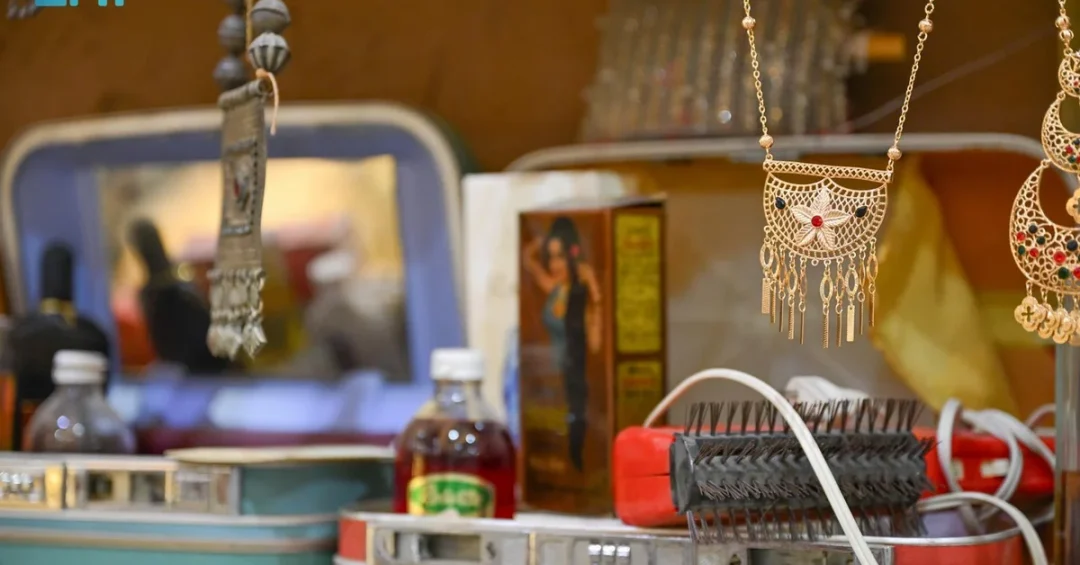
The private museums of Saudi Arabia’s Northern Borders Region offer a captivating glimpse into the area’s modern history, with cultural landmarks preserving a rich heritage and inviting visitors to embark on a journey through time. According to the Saudi Press Agency, these museums serve as vital repositories of local traditions, providing a tangible connection to the past for both residents and tourists.
Context and Background
The Northern Borders Region, with its vast landscapes and deep-rooted Bedouin culture, holds a unique place in Saudi Arabia’s historical narrative. Private museums in cities like Arar have emerged as grassroots efforts to safeguard artifacts and stories that might otherwise be lost. These institutions reflect a broader cultural renaissance under Vision 2030, which emphasizes the preservation of heritage and the promotion of domestic tourism as key pillars of national identity and economic diversification.
Key Details
One notable example is the museum established by local collector Jaza Al-Dahmashi in Arar. Al-Dahmashi, who has spent over three decades gathering artifacts, opened his private museum, which he calls “Place for the Past.” His extensive collection includes household items, copperware, traditional coffee pots, Sadu textiles, games, and weapons, totaling over 6,000 pieces. Each artifact tells a unique story of the region’s history, from Bedouin daily life to traditional crafts. Al-Dahmashi noted that some items were generously donated by friends and relatives, while others he acquired over the years.
Implications and Impact
These museums play a crucial role in educating the public and attracting visitors to the Northern Borders Region. By showcasing the tools and objects used by locals and Bedouins, they offer a deeper understanding of traditional ways of life. This aligns with Saudi Arabia’s goal of boosting cultural tourism, encouraging both Saudis and international visitors to explore the Kingdom’s diverse heritage. The museums also foster community pride and serve as valuable resources for researchers and students interested in the region’s history.
Vision 2030 Alignment
Initiatives like the private museums of the Northern Borders Region directly support Saudi Vision 2030, which aims to enrich the Kingdom’s cultural landscape while promoting sustainable tourism. By preserving and sharing local heritage, these museums contribute to the broader goal of showcasing Saudi Arabia’s authentic identity to the world. As the Kingdom continues to modernize and open up, such cultural landmarks will play an increasingly important role in telling the story of Saudi Arabia’s past and its ambitious future.
20 Questions
Q1. What are private museums in the Northern Borders Region?
A1. Private museums in the Northern Borders Region are small, individually-owned cultural spaces that display artifacts and objects from the area’s modern history, preserving local heritage and traditions.
Q2. Who is Jaza Al-Dahmashi?
A2. Jaza Al-Dahmashi is a local passionate collector from Arar, Saudi Arabia, who opened a private museum called “Place for the Past” to showcase over 6,000 artifacts he has gathered over three decades.
Q3. What types of artifacts are displayed in Al-Dahmashi’s museum?
A3. The museum features household items, copperware, traditional coffee pots, Sadu textiles, games, weapons, and other tools used by Bedouins and locals, each telling a unique story of the region’s past.
Q4. How long did it take Jaza Al-Dahmashi to collect these artifacts?
A4. Jaza Al-Dahmashi spent over three decades gathering the artifacts for his museum, reflecting a long-term dedication to preserving the region’s cultural heritage.
Q5. Where is Al-Dahmashi’s museum located?
A5. Al-Dahmashi’s museum is located in the city of Arar, which is the capital of the Northern Borders Region in Saudi Arabia.
Q6. How many pieces are in Al-Dahmashi’s collection?
A6. Al-Dahmashi has amassed over 6,000 pieces for his private museum, each artifact representing a unique aspect of the region’s history and culture.
Q7. Where did the artifacts in the museum come from?
A7. Some artifacts were generously donated by friends and relatives, while others were purchased by Al-Dahmashi over the years as he built his collection.
Q8. What is the significance of Sadu textiles?
A8. Sadu textiles are traditional woven fabrics created by Bedouin women, and they are an important part of Saudi Arabia’s cultural heritage, often featured in museums like Al-Dahmashi’s.
Q9. How do these museums benefit locals?
A9. These museums serve as valuable resources for locals, offering a tangible connection to the region’s past and fostering a sense of pride in their cultural heritage.
Q10. How do these museums benefit tourists?
A10. Tourists can explore tools and objects used by Bedouins, gaining a deeper understanding of the traditional way of life in the Northern Borders Region.
Q11. What is the role of private museums in Vision 2030?
A11. Private museums support Vision 2030 by preserving cultural heritage, promoting domestic tourism, and contributing to the Kingdom’s goal of showcasing its authentic identity to the world.
Q12. Why is the Northern Borders Region culturally significant?
A12. The Northern Borders Region is culturally significant due to its vast landscapes and deep-rooted Bedouin traditions, which are preserved through artifacts and stories in local museums.
Q13. What can visitors learn from Al-Dahmashi’s collection?
A13. Visitors can learn about Bedouin daily life, traditional crafts, and historical practices by examining artifacts such as coffee pots, weapons, and household items.
Q14. How are these museums promoting cultural tourism in Saudi Arabia?
A14. By showcasing unique local heritage, these museums attract both domestic and international visitors, helping to diversify tourism options in the Kingdom.
Q15. Are there other private museums in the Northern Borders Region?
A15. Yes, the Northern Borders Region is home to several private museums, each preserving aspects of the area’s modern history and cultural heritage.
Q16. What role do collectors like Jaza Al-Dahmashi play in heritage preservation?
A16. Collectors like Jaza Al-Dahmashi act as guardians of local history, dedicating time and resources to gather and display artifacts that tell the story of their community.
Q17. How does the museum connect to Saudi Arabia’s modernization efforts?
A17. The museum preserves traditional artifacts alongside the Kingdom’s modernization, offering a balance between honoring the past and embracing future growth under Vision 2030.
Q18. What is the educational value of these museums?
A18. These museums serve as educational resources for students and researchers, providing firsthand insight into the region’s history, culture, and traditional practices.
Q19. How do these museums reflect Bedouin culture?
A19. The artifacts, such as weapons, textiles, and tools, reflect the nomadic and resilient nature of Bedouin life, preserving their customs and heritage for future generations.
Q20. What is the future outlook for private museums in the region?
A20. With increasing support from Vision 2030 and growing interest in cultural tourism, private museums in the Northern Borders Region are likely to expand and attract more visitors in the coming years.
Reader Feedback
We value your thoughts. Please share your feedback on this article.
Your feedback helps us improve our coverage.