


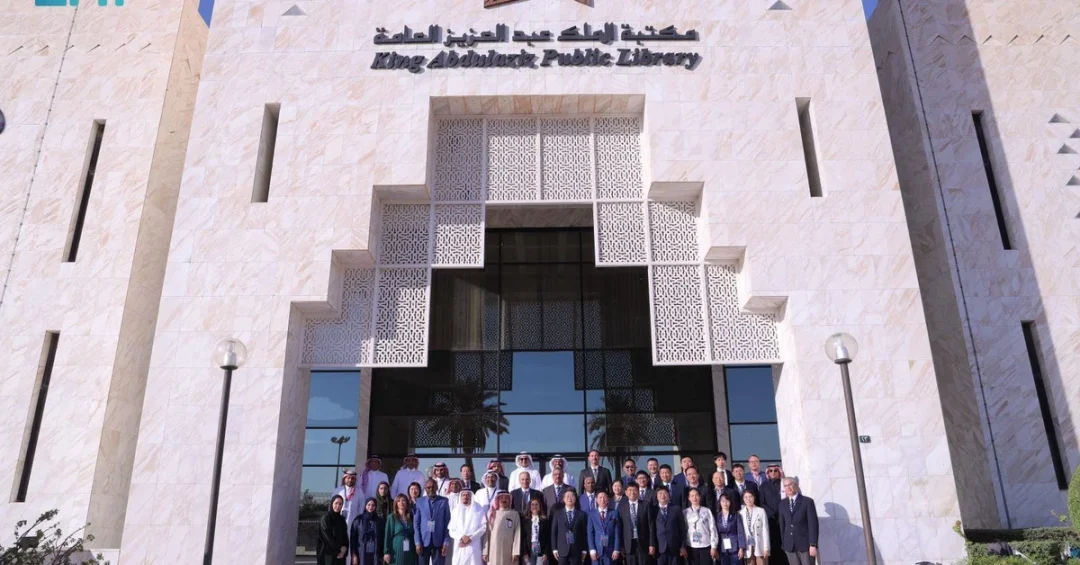
The King Abdulaziz Public Library marked International Translation Day on September 30, 2024, by highlighting its extensive translation endeavors and commitment to facilitating the transfer of knowledge. The Riyadh-based institution is giving readers, researchers, and scholars access to the latest in historical, literary, scientific, and cultural texts from and into Arabic, supporting the Kingdom of Saudi Arabia’s dedication to modernization as outlined in Vision 2030.
Context and Background
International Translation Day, observed globally on September 30, recognizes the vital role of translators in fostering cross-cultural understanding. The King Abdulaziz Public Library has positioned itself at the forefront of this effort, translating material on Saudi, Arab, and Islamic culture into multiple languages. This work is instrumental in disseminating the national perspective globally, aligning with Saudi Arabia’s strategic priorities under Vision 2030. The library has translated over 100 books from languages including English, French, German, Russian, Hindi, Spanish, Japanese, and Chinese, covering Saudi history, Arab and Islamic culture, and literary, scientific, and artistic works.
Key Details
Two major awards are based at the library. The King Abdullah bin Abdulaziz International Award for Translation has gained global recognition as an annual prize promoting cross-cultural communication and highlighting Arab cultural achievements. Additionally, the Prince Muhammad bin Salman Award for Cultural Cooperation with China, also housed at the library, promotes cultural development consistent with Vision 2030. This award seeks to strengthen ties between the two nations, promote exchange of culture and knowledge, and advance Arabic language, literature, and art in China. Through collaborations with Peking University, the library facilitates the translation of literary, historical, and scientific works in Arabic and Chinese, and fosters cultural exchange via seminars, competitions, workshops, and language training courses.
Implications and International Impact
The library’s translation initiatives have significant regional and global implications. By making Arabic texts available in major world languages, Saudi Arabia enhances its soft power and cultural diplomacy. The focus on Chinese cooperation reflects deepening Saudi-China relations, a key aspect of the Kingdom’s economic diversification strategy. The translation of scientific and literary works supports knowledge transfer, benefiting scholars worldwide and positioning Saudi Arabia as a hub for intellectual exchange. This work also counters stereotypes, presenting a nuanced picture of Arab and Islamic culture to international audiences.
Vision 2030 Alignment
The King Abdulaziz Public Library’s translation triumphs directly support Saudi Vision 2030 goals of cultural enrichment, global engagement, and modernization. By preserving and promoting Saudi heritage while facilitating cross-cultural dialogue, the library contributes to a vibrant society and a thriving economy. The emphasis on translation and awards fosters international partnerships, echoing the Vision’s aim to build bridges with the world. As Saudi Arabia continues its transformative journey, such initiatives ensure that the nation’s cultural and intellectual contributions are recognized globally, reinforcing its role as a leader in regional and international affairs.
20 Questions
Q1. What is International Translation Day?
A1. International Translation Day is observed globally on September 30 each year to recognize the work of translators and promote cross-cultural understanding through language.
Q2. Which institution marked this day with translation highlights?
A2. The King Abdulaziz Public Library in Riyadh marked International Translation Day by showcasing its extensive translation and knowledge transfer initiatives.
Q3. How many books has the library translated?
A3. The library has translated over 100 books from languages such as English, French, German, Russian, Hindi, Spanish, Japanese, and Chinese into Arabic.
Q4. What types of texts does the library translate?
A4. The library translates historical, literary, scientific, cultural, and artistic texts, covering Saudi history, Arab and Islamic culture, and global works.
Q5. What is the King Abdullah bin Abdulaziz International Award for Translation?
A5. It is an annual award based at the library that promotes cross-cultural communication and highlights Arab cultural achievements through translation excellence.
Q6. What is the Prince Muhammad bin Salman Award for Cultural Cooperation with China?
A6. This award, also based at the library, promotes cultural development and strengthens ties between Saudi Arabia and China through translation and cultural exchange.
Q7. How does the library collaborate with China?
A7. Through partnerships with Peking University, the library facilitates translation of literary, historical, and scientific works in Arabic and Chinese.
Q8. What events does the library organize for cultural exchange?
A8. The library organizes seminars, competitions, workshops, and language training courses to foster cultural exchange and knowledge sharing.
Q9. How do the library’s efforts support Vision 2030?
A9. The initiatives promote cultural enrichment, global engagement, and modernization, aligning with Vision 2030’s goals of a vibrant society and international cooperation.
Q10. Which languages are included in the translation program?
A10. Languages include English, French, German, Russian, Hindi, Spanish, Japanese, and Chinese, covering major world linguistic regions.
Q11. Why is translating Saudi history important globally?
A11. It disseminates the national perspective, counters stereotypes, and enhances understanding of Saudi Arabia’s heritage and modern development.
Q12. How does the library promote Arabic language globally?
A12. By translating Arabic works into other languages and supporting language training, the library elevates Arabic literature, science, and culture internationally.
Q13. What is the significance of the awards based at the library?
A13. The awards incentivize high-quality translation, encourage cultural dialogue, and recognize contributions to cross-cultural understanding.
Q14. How does translation benefit researchers?
A14. It gives scholars access to a wider range of texts, facilitating research in history, science, and literature across different cultures.
Q15. What role does the library play in Saudi-China relations?
A15. The library acts as a cultural bridge, promoting mutual understanding and collaboration through translation and joint programs.
Q16. How does the library identify which books to translate?
A16. The library selects texts based on their cultural, historical, or scientific value, prioritizing materials that enhance knowledge transfer and cultural exchange.
Q17. Is the translation program ongoing?
A17. Yes, the library continuously expands its translation portfolio, reflecting its commitment to lifelong learning and global outreach.
Q18. How does the public access translated works?
A18. Translated works are available through the library’s collections, online platforms, and distribution channels to readers worldwide.
Q19. What impact do these translations have on Arab culture?
A19. They preserve and promote Arab cultural heritage, making it accessible to non-Arabic speakers and fostering pride in regional achievements.
Q20. What future plans does the library have for translation?
A20. The library aims to expand partnerships, include more languages, and continue supporting awards to further Vision 2030’s cultural and diplomatic objectives.
Reader Feedback
We value your thoughts. Please share your feedback on this article.
Your feedback helps us improve our coverage.