


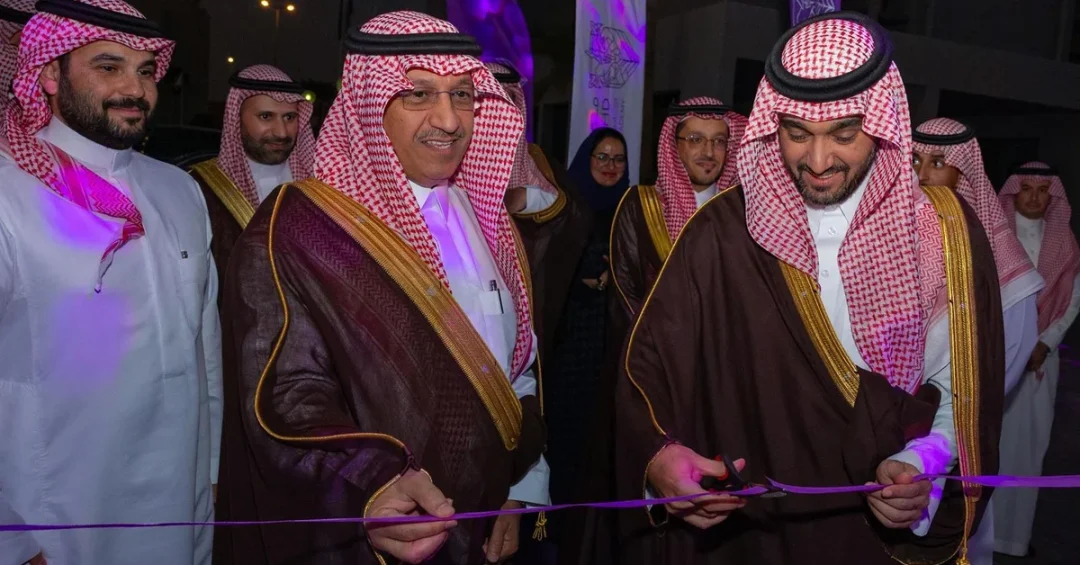
Saudi Arabia’s Minister of Sport Prince Abdulaziz bin Turki bin Faisal and Minister of Education Yousef Al-Benyan inaugurated the first Government Sports School for Talented Athletes at the middle school level on October 1, 2024, in Riyadh. The ceremony, held at the Mahd Sports Academy headquarters in Prince Faisal bin Fahad Olympic Complex, marks a milestone in the Kingdom’s efforts to integrate elite sports training with formal education under one roof, supporting the development of future champions.
Context and Background
The new Sports School for Talented Athletes is a collaborative initiative between the Ministry of Sport, the Ministry of Education, and the Mahd Sports Academy, which was established in 2021. This partnership aims to provide young, gifted athletes with a comprehensive environment where they can pursue academic excellence while receiving world-class sports training. The school builds on the academy’s proven track record in identifying and nurturing athletic potential across the Kingdom.
During the inauguration, Mahd Sports Academy President Abdullah bin Faisal Hammad highlighted the academy’s achievements since 2021, emphasizing its role in shaping the next generation of Saudi athletes. The academy’s research and innovation center is designed to become a global leader in sports talent discovery, using data-driven approaches to identify promising individuals early in their development.
Key Details
President Hammad announced that 354 talented individuals have been enrolled in the first phase of the program, specializing in football, athletics, and martial arts. These students will receive integrated educational and athletic training at the same facility, preparing them to serve as role models in the sports sector. The academy has set an ambitious target to identify and nurture one million talents in various sports across the Kingdom.
The collaboration with the Ministry of Education extends beyond the school, notably through the Tamheed program. This initiative involves physical and technical assessments for students in public schools, gathering measurements and data for nearly half a million students to identify potential athletic talent at an early age.
Implications and Impact
The establishment of the Sports School for Talented Athletes represents a strategic investment in Saudi Arabia’s human capital, aligning with the Kingdom’s broader goals of diversifying its economy and promoting a healthy, active society. By combining education with elite sports training, Saudi Arabia is creating a sustainable pipeline of talent capable of competing at the highest international levels. This initiative also reinforces the Kingdom’s commitment to fostering excellence in youth development, with direct benefits for national sports federations and clubs seeking homegrown talent.
Regionally, the school sets a benchmark for sports education in the Gulf and the Middle East, demonstrating how integrated training programs can elevate a nation’s athletic competitiveness while maintaining academic standards.
Vision 2030 Alignment
The launch of the first Government Sports School for Talented Athletes is a direct reflection of Saudi Arabia’s Vision 2030, which prioritizes human development, sports as a pillar of quality of life, and the cultivation of a generation of skilled professionals. By nurturing young talent from the middle school level, the Kingdom is building the foundation for long-term success in international sports, contributing to a vibrant society and a thriving economy. This initiative underscores Saudi Arabia’s commitment to becoming a global hub for sports excellence and innovation.
20 Questions
Q1. What is the new Government Sports School for Talented Athletes?
A1. It is a middle school-level institution inaugurated by Saudi Arabia’s Ministry of Sport and Ministry of Education, in partnership with Mahd Sports Academy, to combine academic education and elite sports training for gifted young athletes.
Q2. Who inaugurated the school?
A2. Minister of Sport Prince Abdulaziz bin Turki bin Faisal and Minister of Education Yousef Al-Benyan officially inaugurated the school at the academy’s headquarters in Riyadh on October 1, 2024.
Q3. Where is the school located?
A3. The school is based at the Mahd Sports Academy headquarters inside the Prince Faisal bin Fahad Olympic Complex in Riyadh, Saudi Arabia.
Q4. What is the Mahd Sports Academy?
A4. The Mahd Sports Academy is a Saudi institution established in 2021 to discover, develop, and nurture athletic talent across various sports, using advanced research and training methods.
Q5. How many students are enrolled in the first phase?
A5. A total of 354 talented individuals in football, athletics, and martial arts have been enrolled in the first phase of the Sports School for Talented Athletes.
Q6. What sports are included in the first phase?
A6. The first phase focuses on three sports: football, athletics, and martial arts, with plans to expand to other disciplines in the future.
Q7. What is the academy’s long-term talent target?
A7. The Mahd Sports Academy aims to identify and nurture one million talents in various sports across Saudi Arabia over the coming years.
Q8. What is the Tamheed program?
A8. The Tamheed program is a collaboration between Mahd Sports Academy and the Ministry of Education that conducts physical and technical assessments for students in public schools to identify athletic potential.
Q9. How many students has the Tamheed program assessed so far?
A9. The program has gathered information and measurements for nearly half a million students in public schools across Saudi Arabia.
Q10. Why is this school important for Saudi sports?
A10. The school provides young athletes with a structured environment to excel academically while receiving elite training, building a pipeline of talent for national and international competitions.
Q11. Does the school offer academic subjects?
A11. Yes, the school provides a full academic curriculum alongside sports training, ensuring students receive a well-rounded education.
Q12. What is the role of the Ministry of Education in this project?
A12. The Ministry of Education collaborates with Mahd Sports Academy to integrate academic curricula and assessment programs, such as Tamheed, into the athletes’ training schedule.
Q13. How does this initiative support Vision 2030?
A13. It aligns with Vision 2030 by promoting human capital development, enhancing quality of life through sports, and building a generation of skilled athletes and professionals.
Q14. What is the research and innovation center at Mahd Academy?
A14. It is a dedicated center aiming to become a global leader in sports talent discovery, using scientific methods to identify and develop promising athletes from a young age.
Q15. Will the school expand to other cities?
A15. While no specific locations have been announced, the program’s success in Riyadh may serve as a model for similar schools across the Kingdom in the future.
Q16. How are students selected for the school?
A16. Students are selected through the Mahd Sports Academy’s talent identification programs, including assessments like the Tamheed program in public schools.
Q17. What age group does the school serve?
A17. The school is designed for middle school level students, typically aged 12 to 15 years old, allowing early specialization in sports.
Q18. Does the school provide boarding facilities?
A18. The announcement did not specify boarding arrangements, but the integrated campus at the Olympic Complex is designed to support full-time training and education.
Q19. How does the school benefit Saudi Arabia’s international sports ambitions?
A19. By producing well-trained, educated athletes, the school strengthens Saudi Arabia’s ability to compete in international tournaments and championships.
Q20. What is the next step for the Sports School program?
A20. The next steps include expanding enrollment to more sports, scaling the model to additional regions, and continuing to refine the curriculum based on research from the academy’s innovation center.
Reader Feedback
We value your thoughts. Please share your feedback on this article.
Your feedback helps us improve our coverage.