


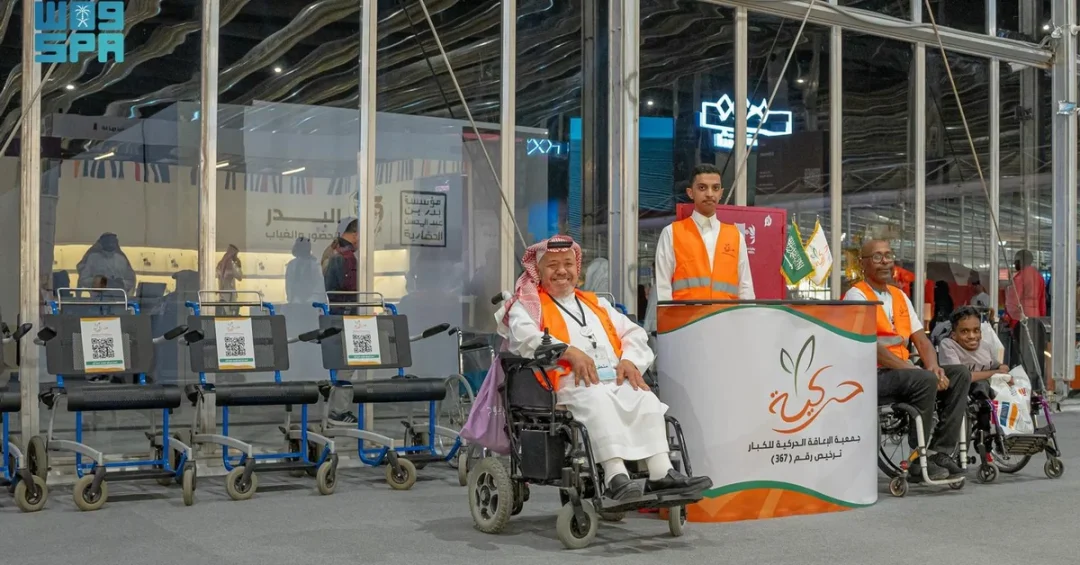
The Riyadh International Book Fair, organized by the Literature, Publishing and Translation Commission, has made significant strides in ensuring an inclusive and accessible experience for people with disabilities. This year’s fair, held in the Saudi capital, demonstrates the Kingdom’s commitment to creating a welcoming environment for all visitors, regardless of physical ability. By implementing universal design principles, the event sets a new standard for cultural accessibility in the region.
Context and Background
The Riyadh International Book Fair has long been a cornerstone of Saudi Arabia’s cultural calendar, showcasing the nation’s literary heritage and fostering intellectual exchange. This year’s edition continues that tradition while introducing innovative measures to ensure that every attendee can fully participate in the wide-ranging program. The fair’s rich cultural program is an extension of the excellent previous editions, reflecting the Kingdom’s cultural heritage with participation from prominent figures in culture, art, and literature across Saudi Arabia, the region, and the world.
Key Details
Designed to comply with the universal access code for people with disabilities, the fair offers a range of services, including mobility assistance and hearing accessibility. Volunteers from the Adults Motor Disability Association participate in the fair to help people with disabilities and the elderly, providing them with wheelchairs to facilitate movement both at the fair and outside. People with hearing disabilities can also enjoy the fair’s cultural program, as sign language interpreters are present at the theater. These measures ensure that the book fair is a truly inclusive event for all.
Implications and Impact
This commitment to accessibility at the Riyadh International Book Fair underscores a broader national effort to promote social inclusion and equal opportunity. By creating a welcoming experience for people with disabilities, Saudi Arabia is enhancing its cultural landscape and setting a positive example for other regional events. The initiative supports the Kingdom’s goal of building a more inclusive society, where everyone can participate in cultural and intellectual life.
Vision 2030 Alignment
The Riyadh International Book Fair’s inclusive approach directly supports Saudi Arabia’s Vision 2030 objectives, which emphasize quality of life, cultural enrichment, and social responsibility. By ensuring that all citizens and residents can access cultural events, the Kingdom is fostering a vibrant society that values diversity and inclusivity. This aligns seamlessly with Vision 2030’s commitment to building a thriving nation where every individual can contribute to and benefit from the country’s progress.
20 Questions
Q1. Who organizes the Riyadh International Book Fair?
A1. The fair is organized by the Literature, Publishing and Translation Commission, which is a key cultural body in Saudi Arabia responsible for promoting literary and publishing activities.
Q2. What is the main focus of this year’s fair regarding accessibility?
A2. This year’s fair focuses on ensuring an inclusive and accessible experience for people with disabilities, complying with the universal access code to provide mobility and hearing assistance.
Q3. What services are offered to people with disabilities at the fair?
A3. Services include mobility assistance, wheelchairs provided by volunteers from the Adults Motor Disability Association, and hearing accessibility through sign language interpreters at the theater.
Q4. Which association provides volunteers to help at the fair?
A4. Volunteers from the Adults Motor Disability Association participate to help people with disabilities and the elderly, offering wheelchairs and support for movement.
Q5. How is hearing accessibility provided at the fair?
A5. Hearing accessibility is provided by having sign language interpreters present at the theater, allowing people with hearing disabilities to enjoy the cultural program.
Q6. What is the cultural program like at this year’s fair?
A6. The cultural program is rich and vibrant, reflecting the Kingdom’s heritage and featuring pioneers of culture, art, and literature from Saudi Arabia, the region, and the world.
Q7. How does the fair reflect Saudi Arabia’s cultural heritage?
A7. The fair’s program showcases the Kingdom’s cultural heritage through participation of prominent cultural figures and inclusion of traditional and modern literary works.
Q8. What is the universal access code mentioned in the report?
A8. The universal access code is a set of standards designed to make facilities and services accessible to people with disabilities, ensuring equal participation in public events.
Q9. Are volunteers available to assist the elderly at the fair?
A9. Yes, volunteers from the Adults Motor Disability Association provide wheelchairs and assistance to both people with disabilities and the elderly to help them move around.
Q10. What kind of mobility assistance is provided at the fair?
A10. Mobility assistance includes the provision of wheelchairs and help from trained volunteers to ensure easy movement for those who need it within and outside the fairgrounds.
Q11. Why is the Riyadh International Book Fair important for Saudi Arabia?
A11. The fair is a major cultural event that promotes literary exchange, showcases Saudi heritage, and now sets a benchmark for inclusivity in cultural gatherings in the region.
Q12. How does the fair support the goals of Vision 2030?
A12. By promoting accessibility and social inclusion, the fair aligns with Vision 2030’s objectives of enhancing quality of life, cultural enrichment, and building a more inclusive society.
Q13. What is the role of the Literature, Publishing and Translation Commission?
A13. The commission organizes literary events like the book fair, supports publishing activities, and promotes translation to enrich Saudi Arabia’s cultural landscape.
Q14. Does the fair include international participants?
A14. Yes, the fair features cultural pioneers from Saudi Arabia, the region, and around the world, making it an international platform for cultural exchange.
Q15. How does the fair benefit people with disabilities beyond accessibility?
A15. Beyond physical access, the fair offers an inclusive cultural program, allowing people with disabilities to fully engage with literature, arts, and intellectual discussions.
Q16. Are there any special programs for children with disabilities?
A16. While not specified in the report, the inclusive measures like wheelchair assistance and sign language interpretation likely help children with disabilities participate in family-friendly events.
Q17. How does the fair contribute to Saudi Arabia’s global image?
A17. The fair demonstrates Saudi Arabia’s commitment to inclusivity and cultural openness, enhancing its reputation as a modern and welcoming destination for international visitors.
Q18. What is the significance of having sign language interpreters at the theater?
A18. Sign language interpreters ensure that people with hearing disabilities can access theatrical performances and cultural talks, promoting equal participation in the fair’s activities.
Q19. Can visitors get wheelchairs for use outside the fair?
A19. Yes, volunteers provide wheelchairs to help people with disabilities and the elderly move both at the fair and outside, ensuring comprehensive mobility support.
Q20. What is the overall message of the fair’s accessibility initiatives?
A20. The initiatives convey a strong message of inclusivity and respect, showing that Saudi Arabia values the participation of all individuals in cultural and intellectual life.
Reader Feedback
We value your thoughts. Please share your feedback on this article.
Your feedback helps us improve our coverage.