


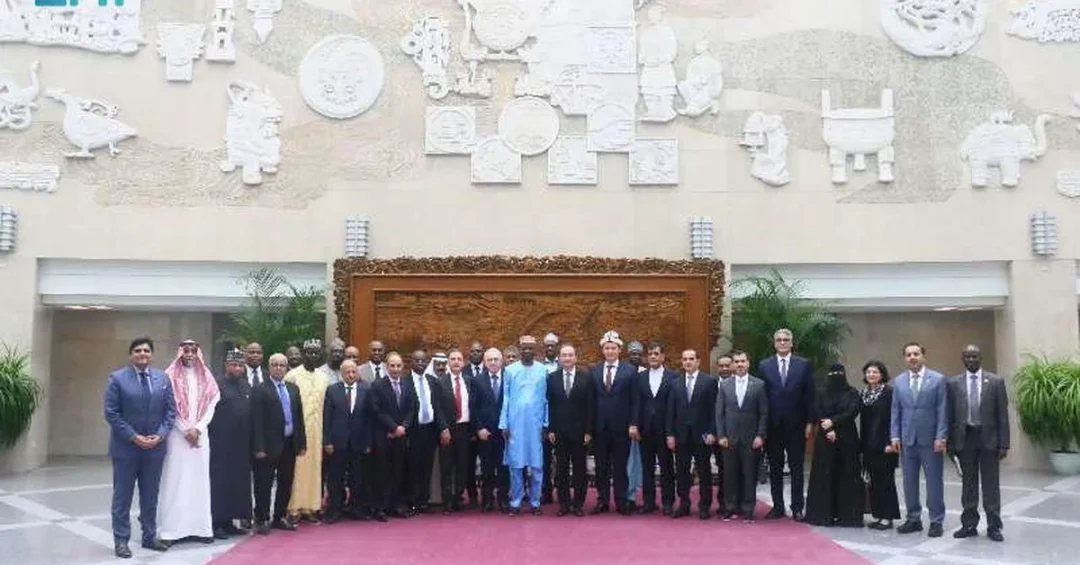
A high-level delegation from the Organization of Islamic Cooperation (OIC) began an official visit to the People’s Republic of China on Monday, October 14, 2024, at the invitation of the Chinese government. The visit, which includes representatives from 26 OIC member states as well as officials from the OIC Secretariat General and the Independent Permanent Human Rights Commission, aims to discuss bilateral cooperation and the status of China’s Muslim community. The delegation was received in Beijing by Vice Minister of Foreign Affairs of China Deng Li, marking the start of a series of engagements designed to foster mutual understanding and partnership.
Context and Background
The OIC, comprising 57 member states and representing the collective voice of the Muslim world, has long maintained diplomatic and economic ties with China. This visit underscores the organization’s commitment to dialogue and cooperation with key global partners. According to the Saudi Press Agency (SPA), the meeting between the OIC delegation and Chinese officials focused on the positive progress in relations between the OIC and China, exploring means to boost cooperation in various fields such as trade, culture, and people-to-people exchanges. The discussions also covered topics of mutual interest, including the status and welfare of the Muslim community in China.
Key Details
During their stay, the OIC delegation met with several officials from the Religious Affairs Department of the United Front Work Department of the Central Committee of the Chinese Communist Party. These talks addressed issues relevant to China’s Muslim community, reflecting the OIC’s role in promoting the rights and well-being of Muslims globally. The delegation is scheduled to conduct site visits to Tianjin and the Xinjiang Uygur Autonomous Region, where they will gain firsthand insights into the living conditions and welfare of the Muslim community. These visits aim to provide a comprehensive understanding of the social and economic integration of Muslims in China.
Implications and Impact
This visit carries significant regional and international implications. It signals a continued commitment from both the OIC and China to engage in constructive dialogue on human rights and minority affairs, areas often subject to international scrutiny. For the OIC, the visit reinforces its role as a bridge between Muslim communities and global powers. For China, the engagement demonstrates openness to international observation and collaboration, potentially enhancing its image in the Muslim world. The outcomes of these discussions could pave the way for enhanced economic and cultural exchanges between OIC member states and China, aligning with broader goals of multilateral cooperation.
Vision 2030 Alignment
This diplomatic mission aligns closely with the Kingdom of Saudi Arabia’s Vision 2030, which emphasizes global engagement, economic diversification, and the promotion of cultural understanding. As a key OIC member, Saudi Arabia supports initiatives that foster international dialogue and cooperation. The visit reflects Vision 2030’s objectives of building bridges with major economies like China and strengthening the Kingdom’s role as a leader in the Muslim world. By facilitating such exchanges, Saudi Arabia contributes to a stable and prosperous international environment, reinforcing its commitment to peace, development, and the well-being of Muslim communities worldwide.
20 Questions
Q1. Who initiated the OIC delegation’s visit to China?
A1. The visit was initiated at the invitation of the Chinese government, as announced by the Saudi Press Agency (SPA).
Q2. How many OIC member states are represented in the delegation?
A2. The delegation includes representatives from 26 OIC member states, showcasing broad participation from the Muslim world.
Q3. Which OIC bodies are involved in the delegation?
A3. The delegation includes officials from the OIC Secretariat General and the Independent Permanent Human Rights Commission.
Q4. Who received the delegation in Beijing?
A4. The delegation was received by Vice Minister of Foreign Affairs of China Deng Li, who led the initial discussions.
Q5. What was the main focus of the meeting with Chinese officials?
A5. The meeting focused on the positive progress in OIC-China relations and ways to enhance cooperation in various fields.
Q6. What topics of common interest were discussed?
A6. Topics included the status of the Muslim community in China and broader areas of mutual interest.
Q7. Which Chinese department did the delegation meet with?
A7. The delegation met with the Religious Affairs Department of the United Front Work Department of the Chinese Communist Party.
Q8. What is the purpose of the delegation’s site visits?
A8. The visits aim to gain insights into the living conditions and welfare of the Muslim community in China.
Q9. Which Chinese cities will the delegation visit?
A9. The delegation is scheduled to visit Tianjin and the Xinjiang Uygur Autonomous Region.
Q10. How does this visit relate to Saudi Arabia’s Vision 2030?
A10. The visit supports Vision 2030’s goals of global engagement, economic diversification, and promoting cultural understanding.
Q11. What role does Saudi Arabia play in the OIC?
A11. Saudi Arabia is a key OIC member and often supports initiatives that foster international dialogue and cooperation.
Q12. Why is this visit important for the Muslim community in China?
A12. It demonstrates the OIC’s commitment to understanding and supporting the welfare of Muslims in China through direct engagement.
Q13. Which international body was involved in the delegation?
A13. The Independent Permanent Human Rights Commission of the OIC was part of the delegation, focusing on human rights aspects.
Q14. What does the visit signal about OIC-China relations?
A14. It signals a continued commitment to constructive dialogue and deeper cooperation between the OIC and China.
Q15. How might this visit affect economic ties between OIC states and China?
A15. Enhanced understanding and cooperation could lead to increased trade and investment opportunities between OIC members and China.
Q16. What is the significance of the site visit to Xinjiang?
A16. The visit provides direct observation of the region’s Muslim community, promoting transparency and cultural exchange.
Q17. Was this visit reported by an official Saudi source?
A17. Yes, the visit was reported by the Saudi Press Agency (SPA), an official Saudi news authority.
Q18. What are the expected outcomes of the visit?
A18. Expected outcomes include strengthened bilateral ties, improved mutual understanding, and potential cooperation initiatives.
Q19. How does this visit support international diplomacy?
A19. It exemplifies multilateral diplomacy by bringing together diverse nations to discuss shared interests and challenges.
Q20. What message does the OIC delegation send to the world?
A20. It sends a message of dialogue and partnership, emphasizing the importance of understanding and cooperation in a globalized world.
Reader Feedback
We value your thoughts. Please share your feedback on this article.
Your feedback helps us improve our coverage.