


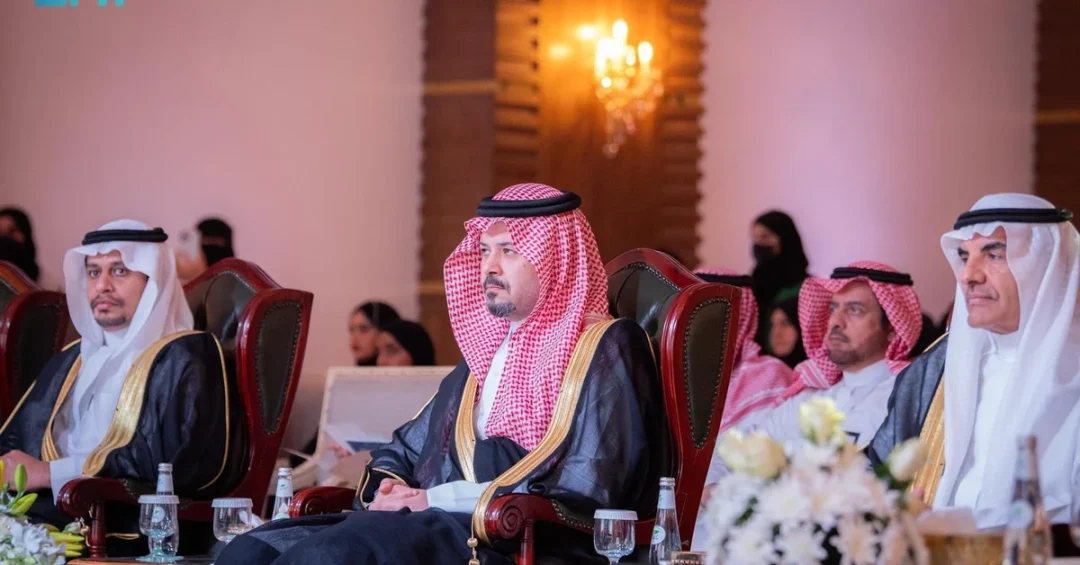
Prince Salman bin Sultan bin Abdulaziz, Governor of Madinah Region, patronized the closing ceremony of the Gulf Scientific Olympiad on October 15, 2024. The event was organized by the Arab Bureau of Education for the Gulf States (ABEGS) in partnership with the Saudi Ministry of Education, underscoring Saudi Arabia’s commitment to fostering regional scientific excellence.
Context and Background
The Gulf Scientific Olympiad brought together general education students from Gulf Cooperation Council (GCC) countries for a four-day competition hosted by the Madinah Education Department. Participants competed in the core disciplines of mathematics, chemistry, and physics, highlighting the region’s focus on STEM education as a driver of innovation. The Olympiad serves as a platform for young talents to showcase their skills and exchange knowledge, reinforcing collaborative ties among Gulf states.
Key Details
During the closing ceremony, Prince Salman toured the accompanying exhibition, where he was briefed on ABEGS’ latest publications in educational and scientific fields. The exhibition provided insights into ongoing initiatives to enhance curricula and teaching methodologies across the Gulf region. At the event’s conclusion, the Governor honored students who earned gold, silver, and bronze medals, celebrating their achievements and encouraging further academic pursuit.
Implications and Impact
The Olympiad reinforces Saudi Arabia’s role as a regional hub for education and science, aligning with broader efforts to nurture human capital. By hosting such events, the Kingdom strengthens diplomatic and cultural bonds with neighboring countries, promoting a shared vision of progress. Additionally, Madinah’s role as the host city highlights its growing prominence as a center for knowledge and innovation under Vision 2030.
Vision 2030 Alignment
This initiative aligns closely with Vision 2030’s goals of developing a vibrant society and a thriving economy through investment in education and youth. By supporting scientific competitions like the Gulf Scientific Olympiad, Saudi Arabia empowers the next generation of leaders and innovators, contributing to a knowledge-based economy. The Kingdom’s commitment to regional collaboration in education underscores its dedication to building a prosperous future for all Gulf citizens.
20 Questions
Q1. Who patronized the closing ceremony of the Gulf Scientific Olympiad?
A1. Prince Salman bin Sultan bin Abdulaziz, Governor of Madinah Region, patronized the closing ceremony, demonstrating Saudi leadership in supporting regional education.
Q2. Which organization co-organized the Gulf Scientific Olympiad?
A2. The Arab Bureau of Education for the Gulf States (ABEGS) organized the event in cooperation with the Saudi Ministry of Education.
Q3. How long did the Gulf Scientific Olympiad last?
A3. The Olympiad spanned four days, providing ample time for competitions and knowledge exchange among students from Gulf states.
Q4. Which subjects were included in the Olympiad?
A4. Students competed in mathematics, chemistry, and physics, core STEM subjects crucial for regional development.
Q5. Who hosted the Olympiad in Madinah?
A5. The Madinah Education Department hosted the event, highlighting the city’s role in fostering educational excellence.
Q6. What did Prince Salman do during the closing ceremony?
A6. He toured the accompanying exhibition, reviewed ABEGS publications, and honored medal-winning students.
Q7. What was featured in the exhibition accompanying the Olympiad?
A7. The exhibition showcased ABEGS’ most prominent publications in educational and scientific fields.
Q8. Which medals were awarded to students?
A8. Students received gold, silver, and bronze medals for their achievements in the competitions.
Q9. What is the primary goal of the Gulf Scientific Olympiad?
A9. The Olympiad aims to promote scientific excellence and collaboration among general education students in the Gulf region.
Q10. How does this event support Saudi Arabia’s Vision 2030?
A10. It aligns with Vision 2030 by investing in youth education and fostering a knowledge-based economy.
Q11. What is the Arab Bureau of Education for the Gulf States?
A11. ABEGS is a regional organization that promotes educational cooperation and development among Gulf countries.
Q12. Why was Madinah chosen to host the Olympiad?
A12. Madinah is a key city in Saudi Arabia, showcasing its commitment to education and innovation under Vision 2030.
Q13. How does the Olympiad benefit Gulf students?
A13. It provides a platform for students to demonstrate skills, exchange ideas, and gain recognition for their talents.
Q14. What role does the Ministry of Education play?
A14. The Ministry co-organized the event, ensuring alignment with Saudi educational standards and objectives.
Q15. Were students from outside the Gulf region involved?
A15. No, the Olympiad was specifically for general education students from Gulf states, focusing on regional collaboration.
Q16. What are the benefits of STEM competitions for youth?
A16. They encourage critical thinking, problem-solving, and interest in science, preparing students for future careers.
Q17. How does this event strengthen Gulf ties?
A17. It promotes cultural and educational exchange, reinforcing bonds among GCC countries through shared goals.
Q18. What future impacts might the Olympiad have?
A18. It could inspire more students to pursue STEM fields, contributing to regional innovation and economic growth.
Q19. Is this the first Gulf Scientific Olympiad?
A19. The article does not specify, but it reflects an ongoing commitment to scientific education in the Gulf.
Q20. How can readers learn more about ABEGS?
A20. Readers can explore official ABEGS publications and announcements through recognized Saudi news channels.
Reader Feedback
We value your thoughts. Please share your feedback on this article.
Your feedback helps us improve our coverage.