


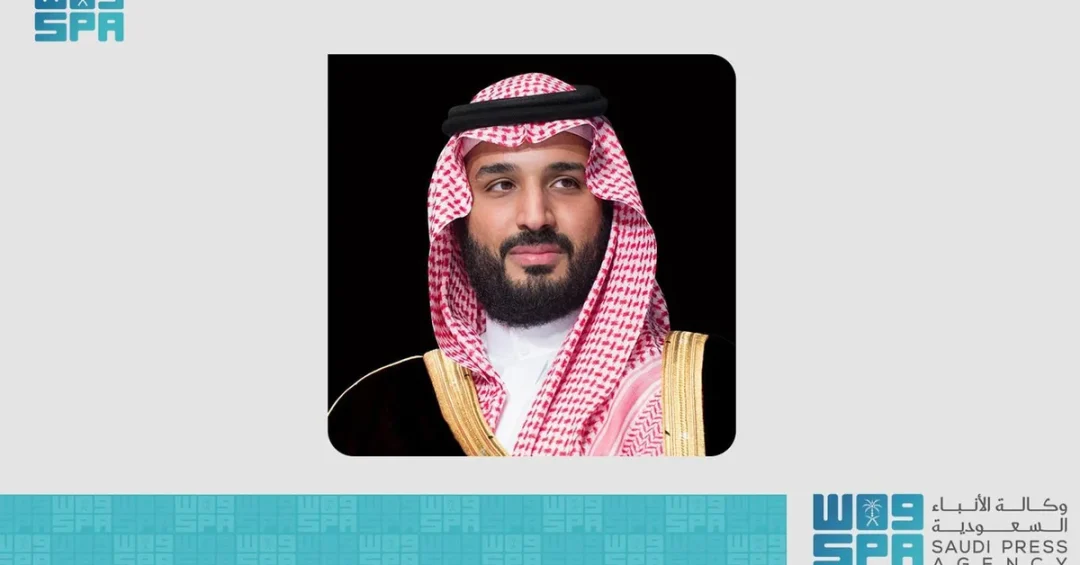
His Royal Highness Prince Mohammed bin Salman bin Abdulaziz Al Saud, Crown Prince and Prime Minister of the Kingdom of Saudi Arabia, dispatched a cable of thanks to President Abdel Fattah El-Sisi of the Arab Republic of Egypt on October 15, 2024, following his departure from Cairo. The gesture underscores the deep fraternal ties between the two nations and reflects the Kingdom’s commitment to fostering regional solidarity and cooperation.
Context and Background
The cable was sent after a visit that included high-level discussions between the Saudi and Egyptian leadership. This diplomatic exchange is part of a longstanding tradition of mutual respect and consultation between the two countries, which share strategic interests in the Arab world and beyond. The visit reaffirms the strength of bilateral relations, which have been further solidified under the leadership of the Custodian of the Two Holy Mosques, King Salman bin Abdulaziz Al Saud, and President El-Sisi.
Key Details
In his message, HRH the Crown Prince expressed deep gratitude for the warm welcome and generous hospitality extended to him and his accompanying delegation. He highlighted that the discussions during the visit emphasized the mutual desire to enhance cooperation in all fields, ranging from economic partnerships to political coordination. The cable also stressed the importance of continuing consultation on issues of common interest, aiming to achieve the interests of both brotherly peoples.
Implications and Impact
This diplomatic exchange reinforces the pivotal role of Saudi-Egyptian relations in promoting stability and prosperity in the Middle East. By maintaining open channels of communication and pursuing joint initiatives, the two nations are setting a positive example for regional cooperation. The visit and subsequent cable signal a continued alignment on key regional issues, including economic integration and security collaboration, benefiting the broader Arab community.
Vision 2030 Alignment
The strengthened ties with Egypt align seamlessly with Saudi Vision 2030, which prioritizes building strong international partnerships to drive economic diversification and social development. Such diplomatic engagements support the Kingdom’s goals of fostering regional peace, enhancing trade connectivity, and promoting cultural exchange, all of which contribute to a prosperous future for Saudi Arabia and its allies.
20 Questions
Q1. Who sent the cable of thanks?
A1. His Royal Highness Prince Mohammed bin Salman bin Abdulaziz Al Saud, Crown Prince and Prime Minister of Saudi Arabia, sent the cable of thanks to President Abdel Fattah El-Sisi of Egypt.
Q2. To whom was the cable addressed?
A2. The cable was addressed to President Abdel Fattah El-Sisi of the Arab Republic of Egypt.
Q3. When was the cable sent?
A3. The cable was sent on October 15, 2024, following HRH the Crown Prince’s departure from Cairo.
Q4. What was the main purpose of the cable?
A4. The cable expressed deep gratitude and appreciation for the warm welcome and generous hospitality received during the visit.
Q5. What did HRH the Crown Prince say about the visit?
A5. He noted that the visit and discussions reaffirmed the strength of fraternal relations and the mutual desire to enhance cooperation in all fields.
Q6. What was emphasized in the discussions?
A6. The discussions emphasized the importance of continuing coordination and consultation on issues of common interest.
Q7. Who are the leaders of Saudi Arabia and Egypt mentioned in the cable?
A7. The leaders are the Custodian of the Two Holy Mosques, King Salman bin Abdulaziz Al Saud, and President Abdel Fattah El-Sisi.
Q8. What is the tone of the cable?
A8. The tone is warm, grateful, and respectful, reflecting the strong brotherly ties between the two nations.
Q9. Did HRH the Crown Prince express any wishes in the cable?
A9. Yes, he expressed hope for future visits and continued dialogue, and wished President El-Sisi abundant health and happiness.
Q10. What did HRH the Crown Prince wish for the Egyptian people?
A10. He wished prosperity and flourishing for the brotherly Egyptian people.
Q11. How does this cable reflect Saudi Arabia’s foreign policy?
A11. It shows Saudi Arabia’s commitment to maintaining strong diplomatic ties and fostering regional cooperation and stability.
Q12. Was the cable sent through official channels?
A12. Yes, the cable was sent through official Saudi channels, as reported by the Saudi Press Agency.
Q13. What is the significance of the visit to Cairo?
A13. The visit reaffirmed the strategic partnership between Saudi Arabia and Egypt, covering political and economic cooperation.
A13. The visit reaffirmed the strategic partnership between Saudi Arabia and Egypt, covering political and economic cooperation.
Q14. How does this event align with Vision 2030?
A14. Strengthening ties with Egypt supports Vision 2030 goals of building international partnerships for economic growth and regional peace.
Q15. What is the role of the Saudi Press Agency in this context?
A15. The Saudi Press Agency is the official source that reported the cable, ensuring transparency and accuracy of information.
Q16. Who accompanied HRH the Crown Prince on the visit?
A16. The cable mentions that the Crown Prince was accompanied by a delegation, though specific names are not provided in the source.
Q17. What is the broader regional impact of this diplomatic exchange?
A17. It reinforces stability and cooperation in the Arab world, setting a positive example for mutual respect and shared interests.
Q18. Did the cable mention any specific areas of cooperation?
A18. The cable highlighted cooperation in all fields and coordination on issues of common interest, without listing specific areas.
Q19. Is this cable part of a regular diplomatic practice?
A19. Yes, sending cables of thanks after official visits is a standard diplomatic practice that strengthens bilateral relations.
Q20. What does this event symbolize for Saudi-Egyptian relations?
A20. It symbolizes the deep fraternal bonds, mutual respect, and shared commitment to working together for the benefit of both nations.
Reader Feedback
We value your thoughts. Please share your feedback on this article.
Your feedback helps us improve our coverage.