


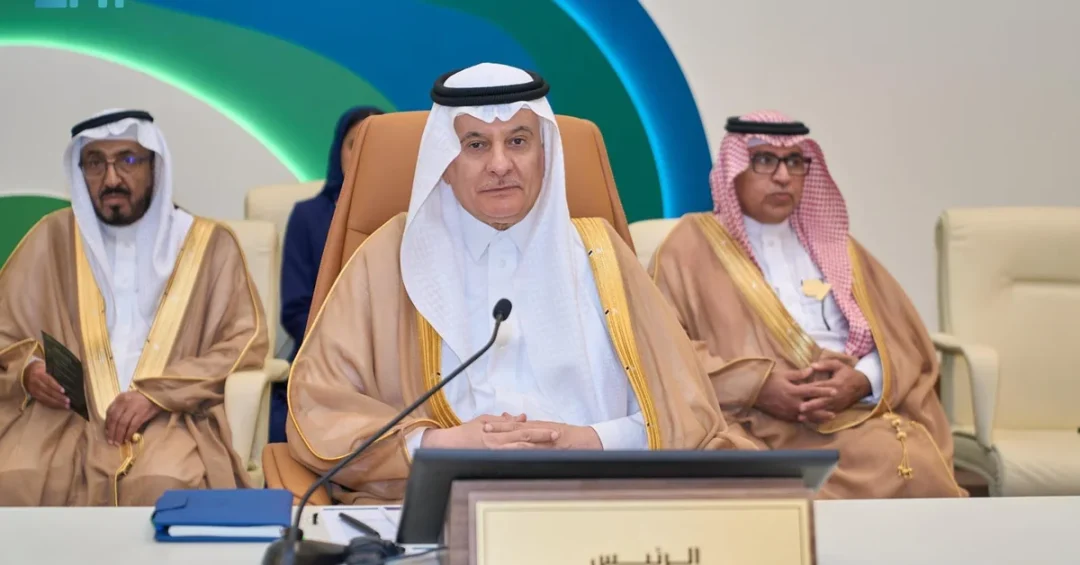
The first session of the Ministerial Council of the Middle East Green Initiative (MGI) convened in Jeddah on October 16, 2024, adopting key decisions to launch the initiative’s implementation phase. The session, held with the participation of 29 countries and international organizations, marked a significant step toward regional environmental cooperation. Saudi Arabia’s Minister of Environment, Water and Agriculture, Abdulrahman Alfadley, reiterated the Kingdom’s commitment to strengthened regional collaboration to protect the environment, enhance vegetation cover, and boost food and water security.
Context and Background
The Middle East Green Initiative was launched by His Royal Highness Prince Mohammed bin Salman bin Abdulaziz Al Saud, Crown Prince and Prime Minister, in 2021. It represents the first regional alliance of its kind designed to mitigate the impacts of climate change across the Middle East and North Africa. The initiative’s charter was finalized during a ministerial meeting of founding countries in October 2022. The region is one of the hardest hit by desertification and drought, necessitating intensified collective efforts to address environmental challenges.
Key Decisions and Developments
The Ministerial Council approved the MGI secretariat’s organizational structure and internal policies, appointed the MGI Secretary General, and appointed the MGI Fund Trustee. These decisions enable the launch of the initiative’s implementation phase. The council also welcomed the accession of 11 new regional member countries and the United Kingdom as a non-regional contributor with observer status. The council urged other non-regional countries to participate, emphasizing their role in providing technical and financial support.
International and Regional Implications
The council highlighted the importance of enhancing international multilateral efforts and the role of the private sector, financial institutions, and civil society in addressing land degradation, desertification, and drought. The council commended the resolution adopted at the sixth session of the United Nations Environment Assembly (UNEA-6) in February 2024, focusing on strengthening international efforts to combat land degradation. The council also praised Saudi Arabia for hosting World Environment Day 2024 in Riyadh and looked forward to the 16th session of the Conference of the Parties (COP) to the United Nations Convention to Combat Desertification (UNCCD) in Riyadh in December 2024.
Vision 2030 Alignment
The decisions taken by the Ministerial Council align with Saudi Arabia’s Vision 2030 by advancing environmental sustainability, enhancing regional cooperation, and promoting economic diversification through green initiatives. The MGI supports the Kingdom’s goals of reducing carbon emissions, increasing vegetation cover, and improving quality of life. The successful launch of the implementation phase positions Saudi Arabia as a regional leader in climate action, contributing to global efforts to combat environmental degradation and fostering sustainable development for future generations.
20 Questions
Q1. What is the Middle East Green Initiative?
A1. The Middle East Green Initiative is a regional environmental alliance launched by Saudi Arabia in 2021, aimed at reducing the impacts of climate change across the Middle East and North Africa by combating desertification and enhancing vegetation cover.
Q2. When and where was the first Ministerial Council session held?
A2. The first session of the Ministerial Council was held on October 16, 2024, in Jeddah, Saudi Arabia, with participation from 29 countries and international organizations.
Q3. Who represented Saudi Arabia at the session?
A3. Saudi Arabia was represented by Minister of Environment, Water and Agriculture Abdulrahman Alfadley, who served as Chairman of the MGI Ministerial Council.
Q4. What key decisions were made at the session?
A4. The council approved the MGI secretariat’s organizational structure and internal policies, appointed the MGI Secretary General and Fund Trustee, and took decisions to launch the initiative’s implementation phase.
Q5. How many countries participated in the session?
A5. Twenty-nine countries and international organizations participated in the first Ministerial Council session, highlighting broad regional and global support.
Q6. What is the significance of the implementation phase?
A6. The implementation phase marks the transition from planning to action, enabling concrete projects to combat desertification and drought, restore land, and protect ecosystems.
Q7. Which countries joined the MGI as new regional members?
A7. The council welcomed the accession of 11 new regional member countries, though their names were not specified in the official communiqué.
Q8. What is the role of non-regional members like the UK?
A8. The United Kingdom joined as a non-regional contributor with observer status, expected to provide technical and financial support to achieve the initiative’s objectives.
Q9. How does the MGI align with Vision 2030?
A9. The MGI supports Vision 2030 by promoting environmental sustainability, reducing carbon emissions, diversifying the economy, and enhancing the quality of life in Saudi Arabia.
Q10. What environmental challenges does the MGI address?
A10. The initiative addresses desertification, drought, land degradation, climate change, and loss of biodiversity, which are severe in the Middle East and North Africa.
Q11. How does the MGI involve the private sector?
A11. The council emphasized the vital role of the private sector, financial institutions, and civil society in supporting regional initiatives and providing resources.
Q12. What was the outcome of UNEA-6 related to the MGI?
A12. The council commended a landmark resolution at UNEA-6 in February 2024 that strengthened international efforts to combat land degradation, desertification, and drought.
Q13. How did Saudi Arabia contribute to World Environment Day 2024?
A13. Saudi Arabia hosted World Environment Day 2024 in Riyadh on June 5, with the theme ‘Our Land, Our Future,’ which raised global awareness about land degradation.
Q14. What is the next major event related to the MGI?
A14. The council looks forward to COP16 of the UNCCD in Riyadh in December 2024, which will focus on land degradation and drought resilience.
Q15. Who launched the Middle East Green Initiative?
A15. The initiative was launched by His Royal Highness Prince Mohammed bin Salman bin Abdulaziz Al Saud, Crown Prince and Prime Minister of Saudi Arabia, in 2021.
Q16. What is the organizational structure of the MGI?
A16. The MGI has a secretariat general, a Ministerial Council, an Executive Committee, and a Fund, with the organizational structure approved during the session.
Q17. How does the MGI promote regional governance?
A17. The MGI improves regional governance for fighting desertification, drought, and climate change by fostering collaboration among member countries and setting common goals.
Q18. What are the long-term goals of the MGI?
A18. Long-term goals include reducing carbon emissions, restoring degraded land, enhancing vegetation cover, and improving food and water security across the region.
Q19. How can other countries join the MGI?
A19. The Ministerial Council invites regional and non-regional countries to join the MGI, with non-regional members typically having observer status and contributing support.
Q20. What was the tone of the council’s communiqué?
A20. The communiqué expressed gratitude to Saudi leadership, reaffirmed commitment to environmental goals, and called for continued collaboration to achieve the initiative’s ambitious objectives.
Reader Feedback
We value your thoughts. Please share your feedback on this article.
Your feedback helps us improve our coverage.