


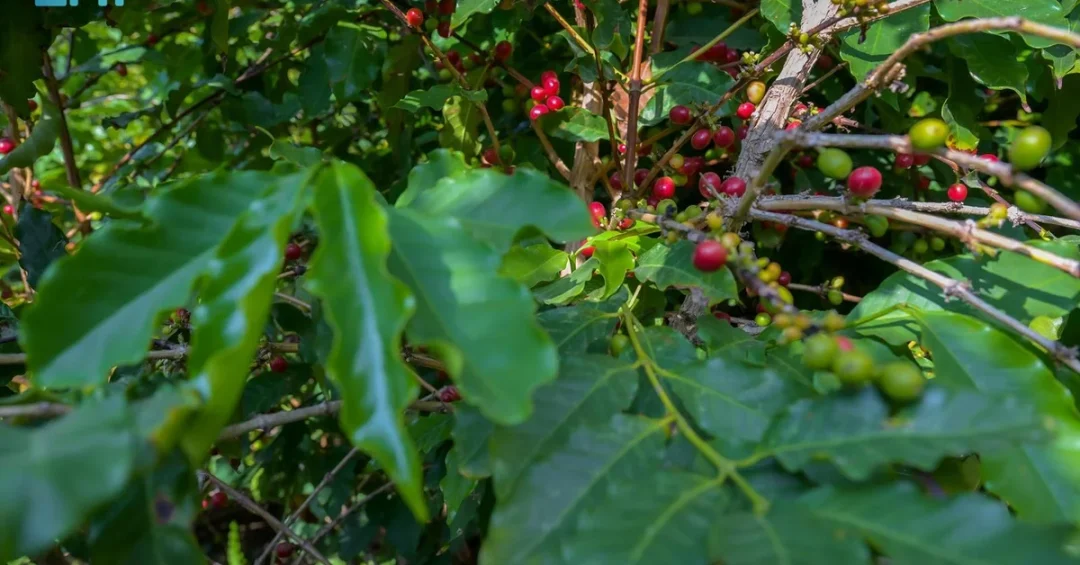
Shadwi coffee cultivation has been a cornerstone of daily life in the Shada Mountains of the Al-Baha Region for centuries, with local farmers continuing to revive ancestral farms through modern agricultural practices supported by the Kingdom of Saudi Arabia. This distinct coffee variety thrives in the region’s fertile soil, rainy seasons, and rustic surroundings, making coffee farming a prominent aspect of local culture and economy. Agricultural expert Juman bin Hussein Al-Ghamdi, speaking to the Saudi Press Agency (SPA), highlighted how government incentives and support for the agricultural sector, with a special focus on Shadwi coffee, have inspired farmers to revitalize their heritage.
Context and Background
The Shada Mountains, encompassing Shada Alalah, Shada Al-Asfal, and Sadr Al-Mezawdah in the Al-Baha Region, have long been recognized for their ideal conditions for coffee cultivation. More than 200 farms in the area now cultivate over 22,000 of the finest Saudi coffee trees, supported by the Ministry of Environment, Water and Agriculture. This initiative aligns with the Kingdom’s Vision 2030 goals of diversifying the economy, promoting sustainable agriculture, and preserving cultural heritage. Al-Ghamdi, who combines his passion for farming with expertise in biology, explained to SPA that scientifically sound agricultural practices, from selecting fertile soil to cultivation methods, are key to the success of Shadwi coffee.
Key Details
Al-Ghamdi detailed the growth process of a coffee tree, noting that it begins growth about a month and a half after planting and takes one to two years to reach the seedling stage, at which point it can grow up to three meters in height. Coffee production typically begins after around three years, starting with small quantities and increasing as the tree matures, eventually yielding around 5 to 10 kilograms. The flowering stage starts in April, with fruit harvesting beginning in October. There are two types of coffee: a seasonal variety and a year-round dwarf coffee, which features large beans and prolific production, with trees not exceeding two meters in height. Al-Ghamdi currently owns 10,000 coffee seedlings.
Implications and Impact
A significant development is the Coffee City Development Project in Maashuqa, located in Al-Qara governorate within the Al-Baha region. This project, the first of its kind in Saudi Arabia, covers a total area of 1.6 million square meters and aims to create 1,000 job opportunities and plant 300,000 coffee trees. Currently, the project has achieved a 55% completion rate, with 250,000 seedlings planted out of the planned 450,000. The initiative focuses on developing agricultural practices, improving product quality, and enhancing marketing efforts. This project not only boosts local economic activity but also positions Saudi Arabia as a growing player in the specialty coffee market, appealing to international connoisseurs and tourists.
Vision 2030 Alignment
The revival of Shadwi coffee cultivation and the development of the Maashuqa Coffee City exemplify how Saudi Arabia is leveraging its natural resources and agricultural heritage to achieve Vision 2030 objectives. By promoting sustainable farming, creating jobs, and enhancing the Kingdom’s cultural and economic landscape, these initiatives contribute to a diversified, resilient economy. As farmers like Juman bin Hussein Al-Ghamdi continue to blend tradition with science, the future of Shadwi coffee looks bright, reinforcing Saudi Arabia’s global role in agriculture and cultural preservation.
20 Questions
Q1. What makes Shadwi coffee unique?
A1. Shadwi coffee is unique due to its cultivation in the Shada Mountains’ fertile soil and rainy climate, which gives it a distinct flavor profile. The coffee is grown using traditional methods enhanced by modern agricultural practices, reflecting the region’s heritage.
Q2. Where are the Shada Mountains located?
A2. The Shada Mountains are located in the Al-Baha Region of Saudi Arabia. This area is known for its mountainous terrain, which creates ideal conditions for coffee farming, including rich soil and consistent rainfall.
Q3. How many coffee farms are there in the Shada Mountains?
A3. There are more than 200 farms in the Shada Mountains, specifically in areas like Shada Alalah, Shada Al-Asfal, and Sadr Al-Mezawdah. These farms collectively cultivate over 22,000 Saudi coffee trees.
Q4. Who is Juman bin Hussein Al-Ghamdi?
A4. Juman bin Hussein Al-Ghamdi is an agricultural expert in Saudi Arabia who specializes in coffee cultivation. He combines his biology expertise with traditional farming knowledge, and he currently owns 10,000 coffee seedlings.
Q5. How long does it take for a coffee tree to start producing?
A5. A coffee tree typically begins producing coffee after about three years. Initial yields are small but increase as the tree matures, eventually reaching around 5 to 10 kilograms per tree annually.
Q6. When is the harvesting season for Shadwi coffee?
A6. The harvesting season for Shadwi coffee begins in October. The flowering stage starts in April, and the fruit is ready for picking later in the year, aligning with the region’s climate patterns.
Q7. What types of coffee are grown in the Shada Mountains?
A7. There are two types of coffee grown: a seasonal variety and a year-round dwarf coffee. The dwarf coffee features large beans and prolific production, with trees not exceeding two meters in height.
Q8. What government support is available for coffee farmers?
A8. Farmers in the region receive substantial support from the Ministry of Environment, Water and Agriculture. This includes incentives, agricultural training, and major projects like the Coffee City Development Project in Maashuqa.
Q9. What is the Maashuqa Coffee City Development Project?
A9. The Maashuqa Coffee City Development Project is the first of its kind in Saudi Arabia, covering 1.6 million square meters. It aims to create 1,000 jobs and plant 300,000 coffee trees, with a current completion rate of 55%.
Q10. How many coffee trees have been planted in the Maashuqa project so far?
A10. As of October 2024, 250,000 coffee seedlings have been planted out of the planned 450,000. This represents a significant achievement toward the project’s overall goals.
Q11. Why is coffee cultivation important to Saudi Arabia’s economy?
A11. Coffee cultivation supports economic diversification under Vision 2030. It creates jobs, boosts local agriculture, and promotes Saudi products globally, reducing reliance on oil revenues and enhancing sustainable development.
Q12. How does Vision 2030 relate to coffee farming?
A12. Vision 2030 aims to diversify the economy and preserve cultural heritage. Coffee farming fits this vision by promoting sustainable agriculture, creating employment, and showcasing Saudi traditions to the world.
Q13. What role does the Saudi Press Agency play in reporting this?
A13. The Saudi Press Agency (SPA) provides official information and interviews with experts like Juman bin Hussein Al-Ghamdi. SPA ensures accurate, transparent reporting on developments in the agricultural sector.
Q14. How do environmental conditions affect Shadwi coffee?
A14. The Shada Mountains’ fertile soil, abundant rainfall, and rustic surroundings are ideal for coffee cultivation. These natural conditions contribute to the high quality and distinct taste of Shadwi coffee beans.
Q15. What are the challenges in coffee farming?
A15. Coffee farming requires patience, as trees take years to produce full yields. Challenges include managing soil fertility, pests, and climate variability, but government support and scientific practices help farmers overcome these obstacles.
Q16. How can tourists experience Shadwi coffee culture?
A16. Tourists can visit the Al-Baha region to explore coffee farms and learn about traditional cultivation methods. The Coffee City project may also include visitor facilities, promoting agritourism under Vision 2030.
Q17. What is the historical significance of Shadwi coffee?
A17. Shadwi coffee has been cultivated for centuries, making it a vital part of local heritage. It represents the region’s agricultural traditions and the resilience of its people, passed down through generations.
Q18. How does the Maashuqa project create jobs?
A18. The project aims to create 1,000 jobs through agricultural development, processing, and marketing. These opportunities will benefit local communities and contribute to reducing unemployment in the Al-Baha region.
Q19. What scientific practices are used in modern coffee farming?
A19. Experts like Al-Ghamdi use biology-based practices, such as selecting fertile soil, proper cultivation methods, and understanding plant growth cycles. These scientific approaches improve yield and sustainability.
Q20. What is the future outlook for Shadwi coffee?
A20. With strong government support and innovative projects like Coffee City, the future of Shadwi coffee is promising. It is expected to gain international recognition, boost the economy, and preserve cultural traditions for generations.
Reader Feedback
We value your thoughts. Please share your feedback on this article.
Your feedback helps us improve our coverage.