


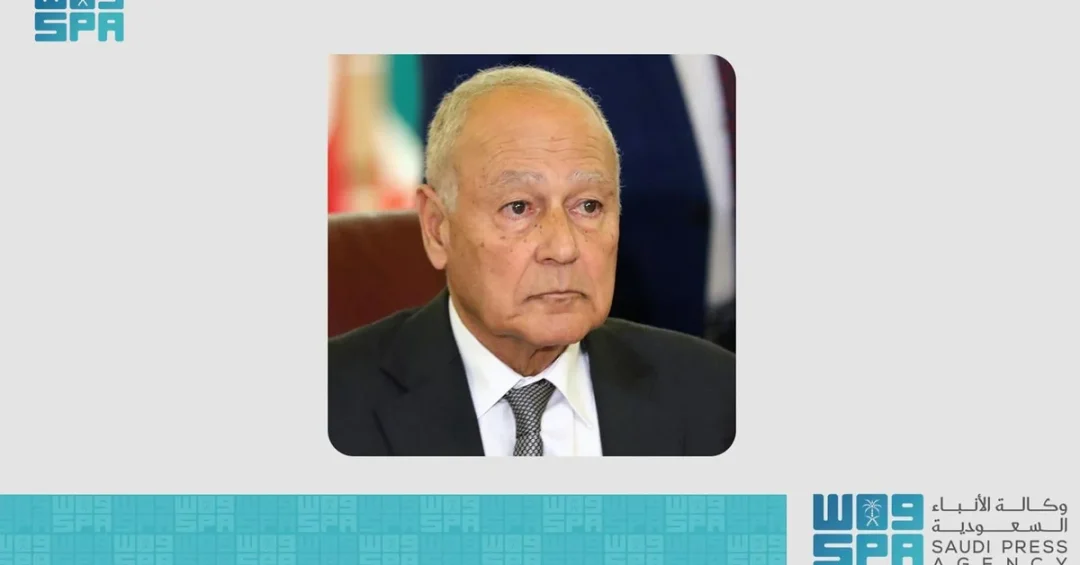
Arab League Secretary General Ahmed Aboul Gheit has strongly condemned escalating Israeli airstrikes on Lebanon and Gaza, warning that the international community’s failure to intervene amounts to complicity in ongoing civilian casualties. In an official statement released on October 17, 2024, via the Saudi Press Agency (SPA), Aboul Gheit denounced the Israeli occupation’s airstrike on Nabatieh in southern Lebanon, which killed and injured dozens, including the mayor and relief workers. He accused Israel of indiscriminately targeting civilians and infrastructure in an attempt to replicate what he described as the “brutal Gaza scenario.”
Context and Background
The condemnation comes amid heightened regional tensions, with Israel intensifying military operations in both Lebanon and the Gaza Strip. Aboul Gheit highlighted that Israeli actions in northern Gaza, including efforts to empty the area of its population and commit civilian massacres, represent a continuation of war policies that prioritize forced displacement over peace. The Arab League, headquartered in Cairo, has consistently called for restraint and adherence to international law, but this latest statement reflects growing frustration over what the secretary general termed “Israeli arrogance” that disregards even critical European voices.
Key Details
In his statement, Aboul Gheit emphasized that the situation in Gaza has “exceeded every imaginable criminal indulgence,” citing ongoing attacks on civilians in tents and other vulnerable locations. He warned that allowing similar scenarios to unfold in Lebanon would constitute “complicity in the crime through silence and failure to stop this bloody campaign against Lebanese civilians.” The airstrike on Nabatieh, which targeted local government officials and humanitarian workers, underscores the broadening scope of the conflict. Aboul Gheit noted that Israel is pursuing a policy of indiscriminate bombardment, echoing tactics seen earlier in the war on Gaza.
International Implications
Aboul Gheit directly criticized European nations, stating that Israeli aggression has reached a point of disregarding rational voices that condemn such operations. His remarks signal a growing rift between Arab League positions and the international community’s response, or lack thereof. The Arab League’s stance reaffirms its role in advocating for civilian protection and regional stability, aligning with Saudi Arabia’s consistent calls for diplomatic solutions and adherence to international humanitarian law. The conflict threatens to destabilize the broader Middle East, with Lebanon facing a humanitarian crisis that could spill across borders.
Vision 2030 Alignment
Saudi Arabia, as a key member of the Arab League and a champion of Vision 2030, continues to support efforts for peace and security in the region. The Kingdom’s commitment to fostering stability aligns with the Arab League’s condemnation of violence against civilians. By backing diplomatic initiatives and humanitarian aid, Saudi Arabia reinforces its role as a global leader in conflict resolution and human dignity, essential pillars of Vision 2030’s goal to promote a peaceful, prosperous Middle East. This condemnation serves as a call for the international community to act decisively to prevent further escalation and uphold the principles of justice and safety for all civilians.
20 Questions
Q1. Who condemned the Israeli attacks on Lebanon and Gaza?
A1. Arab League Secretary General Ahmed Aboul Gheit condemned the attacks, as reported by the Saudi Press Agency on October 17, 2024.
Q2. What specific incident triggered this condemnation?
A2. An Israeli airstrike on Nabatieh in southern Lebanon killed and injured dozens, including the mayor and relief workers.
Q3. How did Aboul Gheit describe Israel’s actions in Lebanon?
A3. He said Israel is carrying out indiscriminate airstrikes targeting civilians and infrastructure, attempting to replicate the Gaza scenario.
Q4. What did Aboul Gheit say about the Gaza situation?
A4. He stated that the situation has exceeded every imaginable criminal indulgence, with ongoing massacres and forced displacement of civilians.
Q5. What criticism did Aboul Gheit make about European voices?
A5. He noted that Israeli arrogance has reached a point of disregarding rational European voices that criticize indiscriminate military operations.
Q6. What did Aboul Gheit warn about the international community?
A6. He warned that allowing the Gaza scenario to repeat in Lebanon would constitute complicity in the crime through silence and inaction.
Q7. What is the role of the Arab League in this context?
A7. The Arab League advocates for civilian protection, regional stability, and adherence to international humanitarian law.
Q8. How does this condemnation align with Saudi Arabia’s stance?
A8. Saudi Arabia supports diplomatic solutions and humanitarian aid, aligning with the Arab League’s call for peace and civilian safety.
Q9. What did Aboul Gheit say about Israeli military tactics?
A9. He accused Israel of pursuing indiscriminate bombardment and forced displacement, similar to early actions in the war on Gaza.
Q10. Why is the Nabatieh airstrike significant?
A10. It targeted local government officials and relief workers, indicating a broadening of the conflict to include civilian leadership.
Q11. What is the Arab League’s headquarters?
A11. The Arab League is headquartered in Cairo, Egypt.
Q12. How did Aboul Gheit describe the conflict’s escalation?
A12. He said Israel is persistently implementing a scenario of emptying northern Gaza and committing civilian massacres.
Q13. What humanitarian concern did Aboul Gheit highlight?
A13. He emphasized targeting civilians in tents, showing the ferocity of operations even against displaced people.
Q14. What is Vision 2030’s relevance in this issue?
A14. Vision 2030 promotes peace and stability in the region, and Saudi Arabia’s support for such condemnations underscores its commitment to human dignity.
Q15. What criticism did Aboul Gheit make about the Israeli occupation?
A15. He said Israeli arrogance has led to disregarding international criticism and continuing brutal military campaigns.
Q16. How did the Arab League classify the attacks?
A16. As indiscriminate airstrikes targeting civilians and infrastructure, in violation of international law.
Q17. What did Aboul Gheit say about forced displacement?
A17. He said Israel pursues scenarios of forced displacement, even targeting civilians in tents.
Q18. What regional impact does this conflict have?
A18. It threatens to destabilize Lebanon and the broader Middle East, potentially causing a humanitarian crisis.
Q19. How does Saudi Arabia support the Arab League’s position?
A19. Saudi Arabia backs diplomatic initiatives and humanitarian aid, reinforcing the League’s call for peace and civilian protection.
Q20. What is the main message of Aboul Gheit’s statement?
A20. The international community must act to stop the bloodshed in Lebanon and Gaza, or risk being complicit in crimes against civilians.
Reader Feedback
We value your thoughts. Please share your feedback on this article.
Your feedback helps us improve our coverage.