


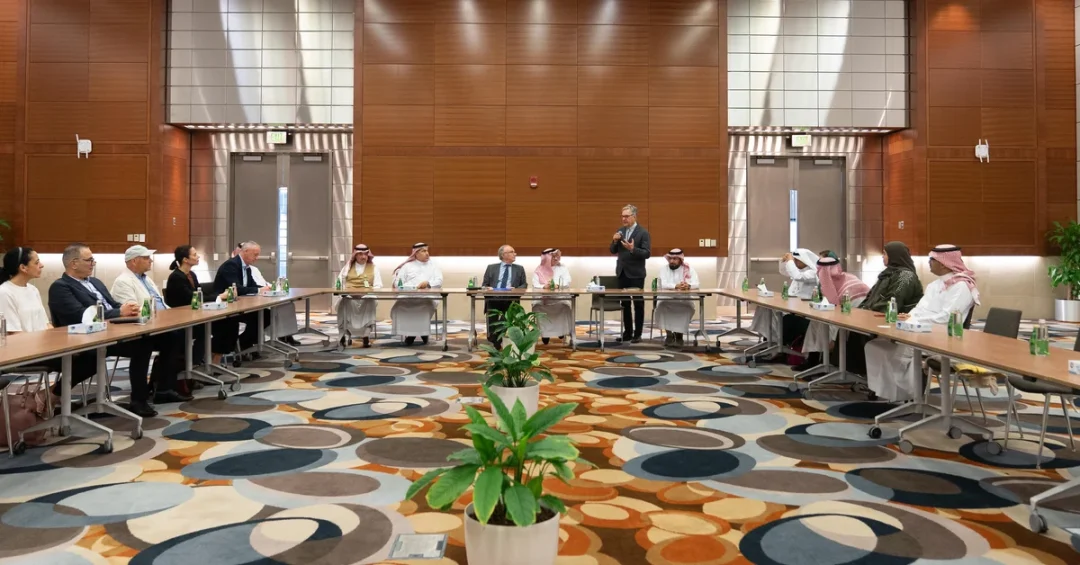
The National Center for Vegetation Cover Development and Combating Desertification (NCVC) and King Abdullah University of Science and Technology (KAUST) have officially inaugurated the Experimental Station and Ecological Observatory in Wadi Qudaid National Park, Khulais Province, Makkah Region. The announcement, made on October 17, 2024, via the Saudi Press Agency, marks a key milestone in Saudi Arabia’s expanding environmental research and desertification combat efforts. The facility is designed to advance scientific understanding of local ecosystems and support national reforestation goals.
Context and Background
The establishment of the Experimental Station and Ecological Observatory is part of a broader strategic collaboration between NCVC and KAUST, two leading Saudi institutions in environmental stewardship and scientific research. The partnership reflects the Kingdom’s commitment to developing innovative solutions for vegetation cover restoration, combating desertification, and promoting sustainable land management. The facility is centrally located in Wadi Qudaid National Park, a protected area that serves as a natural laboratory for studying native flora and ecological processes.
Key Details
The Experimental Station features a fully integrated environment, including greenhouse facilities and dedicated research plots. According to NCVC CEO Dr. Khaled Al-Abdulkader, the station aims to test various interventions for environmental improvement and desert afforestation. It will support the Saudi native Genome Project, which seeks to understand the genetic makeup of indigenous plant species. The research conducted here will also contribute to nursery management, seed bank development, and the production of saplings for wild and coastal plants.
KAUST Professor Rod Wing, who has spearheaded the NCVC-KAUST Experiment Station project since 2022, stated: “NCVC is charged with greening over a third of Saudi Arabia. It is our hope that the NCVC-KAUST Experiment Station will directly contribute to this revegetation effort by developing innovative science-based solutions to accelerate the greening of Saudi Arabia sustainably and cost effectively and train the next generation of ecological stewards.”
Implications and Impact
The inauguration of the Qudaid Research Station is expected to accelerate the translation of environmental research into practical, scalable solutions. It will enhance the Kingdom’s capacity to restore vegetation cover, conserve plant genetic resources, and rehabilitate national parks. KAUST Vice President of Research Pierre Magistretti emphasized the collaboration’s role in delivering sustainable solutions at the nexus of food, water, and energy. The station also positions Saudi Arabia as a regional leader in ecological innovation and climate resilience.
Vision 2030 Alignment
The Experimental Station and Ecological Observatory directly supports Vision 2030’s environmental sustainability goals, particularly those outlined in the Saudi Green Initiative. By fostering cutting-edge research, training future ecological stewards, and implementing sustainable afforestation practices, the station contributes to the Kingdom’s ambition to improve quality of life, protect natural heritage, and build a greener future. This initiative underscores Saudi Arabia’s commitment to international environmental cooperation and long-term ecological stewardship.
20 Questions
Q1. What is the Experimental Station and Ecological Observatory?
A1. It is a research facility inaugurated by NCVC and KAUST in Wadi Qudaid National Park, designed to test environmental interventions and advance desert afforestation and vegetation restoration.
Q2. Where is the station located?
A2. The station is located in Wadi Qudaid National Park, Khulais Province, in the Makkah Region of Saudi Arabia.
Q3. Who inaugurated the station?
A3. The station was inaugurated by NCVC in collaboration with KAUST, as announced by the Saudi Press Agency on October 17, 2024.
Q4. What is the main purpose of the station?
A4. The purpose is to conduct research on local plant environments, test reforestation interventions, and develop sustainable afforestation practices aligned with the Saudi Green Initiative.
Q5. What facilities does the station include?
A5. The station includes a fully integrated environment with greenhouse facilities and dedicated research plots for scientific experiments.
Q6. Who is the NCVC CEO?
A6. The NCVC CEO is Dr. Khaled Al-Abdulkader, who highlighted the station as a major outcome of the NCVC-KAUST collaboration.
Q7. What is the Saudi native Genome Project?
A7. It is a research project supported by the station that aims to understand the genetic makeup of native Saudi plant species to improve conservation and restoration.
Q8. How long has Professor Rod Wing led the project?
A8. KAUST Professor Rod Wing has spearheaded the NCVC-KAUST Experiment Station project since 2022.
Q9. What is the Saudi Green Initiative?
A9. The Saudi Green Initiative is a national effort to combat climate change, reduce emissions, and increase vegetation cover across the Kingdom.
Q10. How does the station support the Saudi Green Initiative?
A10. The station contributes by developing science-based solutions for sustainable and cost-effective reforestation and by training ecological stewards.
Q11. What role does KAUST play in this project?
A11. KAUST provides scientific expertise and research leadership, collaborating with NCVC to translate research into practical environmental solutions.
Q12. What is the significance of Wadi Qudaid National Park?
A12. It serves as a natural protected area ideal for studying native ecosystems and testing restoration interventions in a real-world setting.
Q13. What types of plants will the station focus on?
A13. The station will focus on wild and coastal plants, including sapling production for vegetation cover restoration and genetic conservation.
Q14. How does the station help combat desertification?
A14. It tests interventions for environmental improvement and afforestation, helping to restore degraded land and prevent further desertification.
Q15. Who is KAUST Vice President of Research?
A15. The KAUST Vice President of Research is Pierre Magistretti, who emphasized the station’s role in sustainable solutions at the nexus of food, water, and energy.
Q16. What is a seed bank?
A16. A seed bank is a facility that stores seeds to preserve plant genetic resources for future restoration and research purposes.
Q17. How does the station support nursery management?
A17. It provides research and innovation for improving nursery techniques and producing saplings for reforestation and rehabilitation projects.
Q18. Is the station part of a larger strategic plan?
A18. Yes, it aligns with Saudi Arabia’s Vision 2030 and the Saudi Green Initiative to promote environmental sustainability and ecological restoration.
Q19. What is the expected impact on local communities?
A19. The station aims to enhance quality of life by restoring vegetation cover, improving air quality, and creating opportunities for ecological education.
Q20. Where can official updates about the station be found?
A20. Official updates are released through the Saudi Press Agency and the communications channels of NCVC and KAUST.
Reader Feedback
We value your thoughts. Please share your feedback on this article.
Your feedback helps us improve our coverage.