


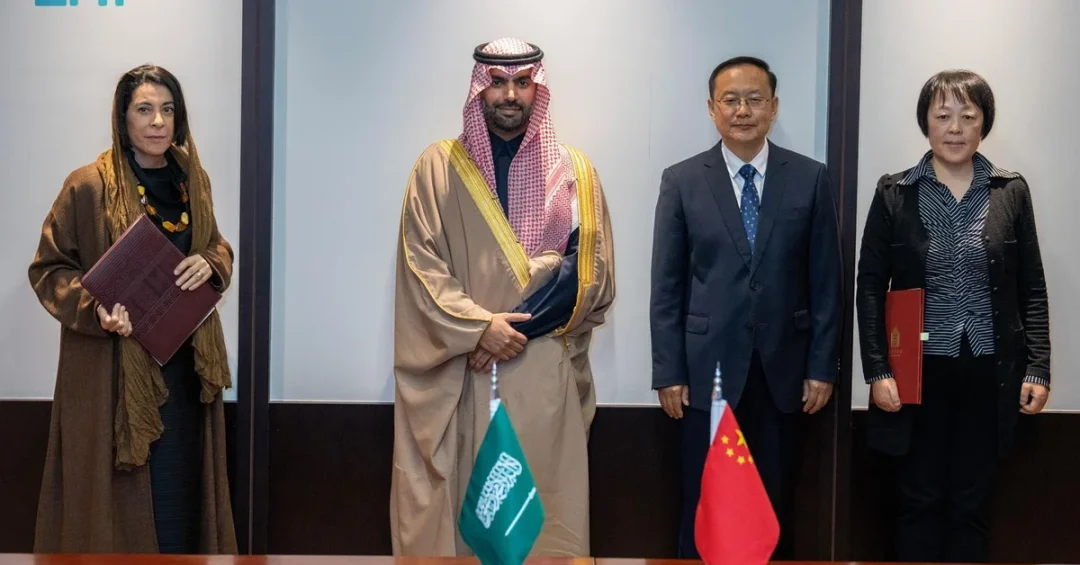
RIYADH: The Museums Commission of Saudi Arabia and the Palace Museum of China signed a Museum Cooperation Executive Program in Beijing on October 17, 2024, marking a significant step in cultural collaboration between the two nations. The agreement, supported by China’s Ministry of Culture and Tourism, formalizes a framework for joint exhibitions, long-term loans of artworks and archaeological collections, and other shared cultural initiatives, building on a Memorandum of Understanding signed in March 2024.
Context and Background
The executive program was signed during the visit of Saudi Minister of Culture Prince Badr bin Abdullah bin Farhan Al Saud to China, reflecting the deepening cultural ties between the Kingdom and the People’s Republic of China. The Museums Commission, one of 11 sector-specific commissions under Saudi Arabia’s Ministry of Culture, is tasked with developing the Kingdom’s museum sector as part of broader cultural modernization efforts. This partnership aligns with Saudi Arabia’s Vision 2030, which emphasizes cultural exchange and soft power diplomacy to diversify the economy and promote international understanding.
Key Details of the Agreement
The executive program includes several concrete initiatives: long-term loans of valuable artworks and archaeological collections between the two institutions, and commitments to explore future areas of cooperation to expand cultural exchanges. The program is based on the Memorandum of Understanding on Cultural Cooperation signed in Beijing on March 27, 2024, between the Ministry of Culture and Tourism of China and the Ministry of Culture of Saudi Arabia. This structured collaboration aims to deepen mutual understanding of each country’s history and culture through museum management, joint exhibitions, and sharing of cultural artifacts.
International and Cultural Implications
This partnership strengthens the strategic cultural relationship between Saudi Arabia and China, two nations with growing economic and diplomatic ties. It positions Saudi Arabia as a global cultural hub, leveraging museum collaboration to foster people-to-people connections. The exchange of artifacts and exhibitions will enhance cultural tourism, attract international visitors, and showcase Saudi Arabia’s rich heritage to Chinese audiences and beyond. The agreement also reflects Saudi Arabia’s commitment to preserving cultural heritage and promoting intercultural dialogue, consistent with its active role in international cultural diplomacy.
Vision 2030 Alignment
The Museum Cooperation Executive Program directly supports Vision 2030’s goals of diversifying the economy through culture and tourism, enhancing the quality of life, and building international partnerships. By collaborating with the Palace Museum, one of the world’s most renowned cultural institutions, Saudi Arabia strengthens its position as a destination for heritage and creativity. This initiative is a foundational step toward long-term cultural exchange that will contribute to the Kingdom’s development as a vibrant society and a global cultural hub, in line with the ambitious objectives of Vision 2030.
20 Questions
Q1. What is the Museum Cooperation Executive Program?
A1. It is an agreement signed between the Museums Commission of Saudi Arabia and the Palace Museum of China to enhance cultural collaboration through joint exhibitions and loans of artworks and artifacts.
Q2. When and where was the program signed?
A2. The program was signed in Beijing on October 17, 2024, during the visit of Saudi Minister of Culture Prince Badr bin Abdullah bin Farhan Al Saud to China.
Q3. Which Saudi entity signed the agreement?
A3. The Museums Commission, which is one of 11 sector-specific commissions under Saudi Arabia’s Ministry of Culture, represented Saudi Arabia in the signing.
Q4. Which Chinese institution signed the agreement?
A4. The Palace Museum of the People’s Republic of China signed the agreement, with support from the Ministry of Culture and Tourism of China.
Q5. What previous agreement does this build on?
A5. It builds on the Memorandum of Understanding on Cultural Cooperation signed in Beijing on March 27, 2024, between Saudi and Chinese cultural ministries.
Q6. What are the main components of the program?
A6. The program includes long-term loans of artworks and archaeological collections, joint exhibitions, and exploration of future cooperation opportunities.
Q7. How does this benefit cultural exchange?
A7. It fosters deeper mutual understanding of each country’s history and culture by sharing artifacts and expertise, strengthening people-to-people ties.
Q8. What role does the Saudi Ministry of Culture play?
A8. The Ministry of Culture oversees cultural policy and supports commissions like the Museums Commission in implementing international cultural agreements.
Q9. Why is the Palace Museum significant?
A9. The Palace Museum in Beijing is one of the world’s most renowned cultural institutions, housing over a million artifacts from Chinese imperial history.
Q10. How does this align with Vision 2030?
A10. It supports Vision 2030 goals of cultural diversification, tourism development, and international engagement, showcasing Saudi heritage globally.
Q11. What types of artifacts will be exchanged?
A11. The program involves long-term loans of valuable artworks and archaeological collections, though specific items have not yet been announced.
Q12. Who signed the original MoU in March 2024?
A12. The MoU was signed by the Ministry of Culture and Tourism of China and the Ministry of Culture of Saudi Arabia during Prince Badr’s visit to China.
Q13. What is the Museums Commission’s role in Saudi Arabia?
A13. The Museums Commission develops and regulates the museum sector in Saudi Arabia, promoting cultural heritage and museum management standards.
Q14. How does this impact Saudi Arabia’s global image?
A14. It positions Saudi Arabia as a cultural hub committed to international cooperation, enhancing its soft power and attracting global attention.
Q15. Will there be public exhibitions?
A15. Yes, the program includes joint exhibitions in both countries, which will likely be open to the public, pending detailed planning.
Q16. How does this strengthen Saudi-China relations?
A16. It deepens cultural ties alongside existing economic and diplomatic partnerships, fostering mutual understanding and long-term cooperation.
Q17. What is the duration of the program?
A17. The program is an executive agreement, but specific duration details have not been publicly disclosed in the initial announcement.
Q18. How does this support cultural tourism?
A18. By attracting Chinese visitors and showcasing Saudi heritage, it boosts cultural tourism and encourages cross-cultural travel and exchange.
Q19. Are there plans for future collaboration areas?
A19. The agreement includes a commitment to explore future areas of cooperation, expanding beyond current initiatives in museum management.
Q20. What is the broader significance of this partnership?
A20. It represents a model for cultural diplomacy under Vision 2030, leveraging heritage to build international bridges and promote sustainable development.
Reader Feedback
We value your thoughts. Please share your feedback on this article.
Your feedback helps us improve our coverage.