


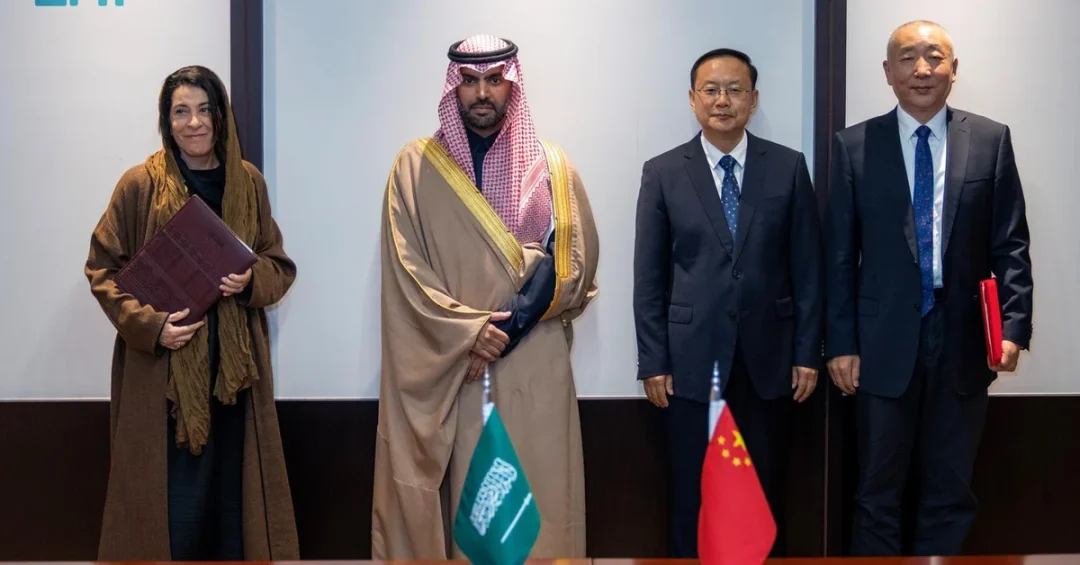
The Museums Commission of Saudi Arabia and the National Museum of China have signed an executive program to deepen bilateral cultural cooperation in the museums sector. The agreement, announced by the Saudi Press Agency on October 17, 2024, was formalized in Beijing with the support of China’s Ministry of Culture and Tourism. It builds on a memorandum of understanding signed on March 27, 2024, during the visit of Saudi Minister of Culture Prince Badr bin Abdullah bin Farhan Al Saud to China, laying the groundwork for enhanced collaboration and development in museums, exhibitions, and cultural heritage.
Context and Background
The executive program stems from a broader strategic partnership between the Kingdom of Saudi Arabia and the People’s Republic of China, reflecting their shared commitment to fostering international cultural dialogue. The Museums Commission, one of 11 sector-specific commissions under Saudi Arabia’s Ministry of Culture, is a key driver of the Kingdom’s cultural transformation under Vision 2030. This initiative follows the earlier memorandum of understanding signed between the Saudi Ministry of Culture and China’s Ministry of Culture and Tourism, solidifying a framework for mutual cooperation in the museums field. The signing marks a milestone in the growing cultural ties between the two nations, which have also deepened through economic and diplomatic engagements.
Key Details of the Executive Program
The executive program outlines several core areas of collaboration. First, the two parties will explore the establishment of a Joint Bilateral Forum for National Museums, designed to enhance regular exchange and collaboration between their national museums. Second, in compliance with China’s Cultural Relics Protection Law, the National Museum of China will loan artworks and archaeological collections for display in Saudi Arabia’s museums. Third, an Art Exhibition Exchange Program will run from 2025 to 2026, featuring a showcase of traditional Chinese musical instruments in Saudi Arabia, while Saudi Arabia’s contemporary art exhibition, “Art of the Kingdom” (Fan Al Mamlaka), will be presented at the National Museum in Beijing. Fourth, both sides agreed to explore additional future areas of cooperation, including joint cultural projects that strengthen mutual trust.
Implications and International Impact
This collaboration reinforces the cultural dimension of the Saudi-China strategic partnership, which has expanded significantly in recent years. By sharing vibrant cultural heritage and creating new opportunities for museum exhibitions, both countries are fostering deeper people-to-people ties. The exchange program not only promotes cultural understanding but also positions Saudi Arabia as a global hub for cultural diplomacy. The initiative aligns with broader regional efforts to diversify cultural offerings and attract international audiences, supporting the Kingdom’s ambitions to become a leading destination for tourism and cultural exchange. The long-term loan of artworks underscores a high level of trust and cooperation between the two nations.
Vision 2030 Alignment
The executive program directly supports Saudi Vision 2030 by enriching the Kingdom’s cultural sector, promoting international collaboration, and enhancing its global cultural footprint. This partnership also aligns with China’s Belt and Road Initiative, demonstrating the synergy between the two countries’ strategic visions. Through this collaboration, Saudi Arabia and China are jointly contributing to the preservation and dissemination of cultural heritage, creating new opportunities on the global cultural stage. The program exemplifies how cultural exchange can drive economic and social progress, reinforcing Saudi Arabia’s commitment to openness, innovation, and sustainable development as outlined in Vision 2030.
20 Questions
Q1. What is the executive program signed between Saudi Arabia and China?
A1. The executive program is a formal agreement between the Museums Commission of Saudi Arabia and the National Museum of China to enhance cooperation in the museums sector through exhibitions, loans, and cultural projects.
Q2. When and where was the executive program signed?
A2. The program was signed on October 17, 2024, in Beijing, with the support of China’s Ministry of Culture and Tourism, as announced by the Saudi Press Agency.
Q3. What is the foundation of this executive program?
A3. It builds on a memorandum of understanding signed on March 27, 2024, between the Saudi Ministry of Culture and China’s Ministry of Culture and Tourism during Prince Badr bin Abdullah bin Farhan Al Saud’s visit to China.
Q4. Which Saudi entity is leading this initiative?
A4. The Museums Commission, one of 11 sector-specific commissions under Saudi Arabia’s Ministry of Culture, is leading the initiative on behalf of the Kingdom.
Q5. What is the purpose of the Joint Bilateral Forum for National Museums?
A5. The forum aims to enhance regular exchange and collaboration between the national museums of Saudi Arabia and China, promoting deeper cultural ties.
Q6. What are the key areas of cooperation in the program?
A6. Key areas include a bilateral forum, long-term loans of artworks and archaeological collections, an art exhibition exchange program, and exploration of future cooperation.
Q7. How will loans of artworks be handled under the program?
A7. The National Museum of China will loan artworks and archaeological collections to Saudi Arabia, in accordance with China’s Cultural Relics Protection Law.
Q8. What is the Art Exhibition Exchange Program?
A8. It is a series of exhibitions between 2025 and 2026, featuring traditional Chinese musical instruments in Saudi Arabia and Saudi Arabia’s “Art of the Kingdom” exhibition in Beijing.
Q9. What will the “Art of the Kingdom” exhibition showcase?
A9. The “Art of the Kingdom” (Fan Al Mamlaka) exhibition presents Saudi Arabia’s contemporary art scene at the National Museum in Beijing.
Q10. What will be displayed in Saudi Arabia from China?
A10. Traditional Chinese musical instruments will be displayed in Saudi Arabia, offering a comprehensive overview of China’s musical heritage.
Q11. What other areas of cooperation are being explored?
A11. Both parties agreed to explore additional future areas of cooperation, including joint museum exhibitions and other cultural projects within the program’s framework.
Q12. How does this program support cultural diplomacy?
A12. It strengthens cultural ties between Saudi Arabia and China, fostering international cultural dialogue and cooperation through shared heritage and exhibitions.
Q13. What milestone does this signing represent?
A13. The signing marks a new milestone in cultural exchange between Saudi Arabia and China, demonstrating their shared commitment to international cultural dialogue.
Q14. How does this align with Saudi Vision 2030?
A14. The program enriches Saudi Arabia’s cultural sector, promotes international collaboration, and enhances the Kingdom’s global cultural footprint, supporting Vision 2030 goals.
Q15. How does this align with China’s Belt and Road Initiative?
A15. The partnership underscores the synergy between Vision 2030 and the Belt and Road Initiative, highlighting the importance of international cultural collaboration.
Q16. What role does the Ministry of Culture of Saudi Arabia play?
A16. The Ministry of Culture, through the Museums Commission, oversees the implementation of the program, reflecting its commitment to cultural development.
Q17. What is the significance of the long-term loans?
A17. The long-term loans of artworks and archaeological collections demonstrate high trust and cooperation, allowing Saudi audiences to experience Chinese cultural heritage.
Q18. Which Chinese institution is a key partner?
A18. The National Museum of China, supported by China’s Ministry of Culture and Tourism, is the primary Chinese partner in this executive program.
Q19. What broader impact does this program have on tourism?
A19. By promoting cultural exchange, the program positions Saudi Arabia as a global hub for cultural tourism, attracting international audiences and diversifying the economy.
Q20. How does this cooperation contribute to global culture?
A20. Saudi Arabia and China jointly contribute to the preservation and dissemination of cultural heritage, creating new opportunities on the global cultural stage through this partnership.
Reader Feedback
We value your thoughts. Please share your feedback on this article.
Your feedback helps us improve our coverage.