


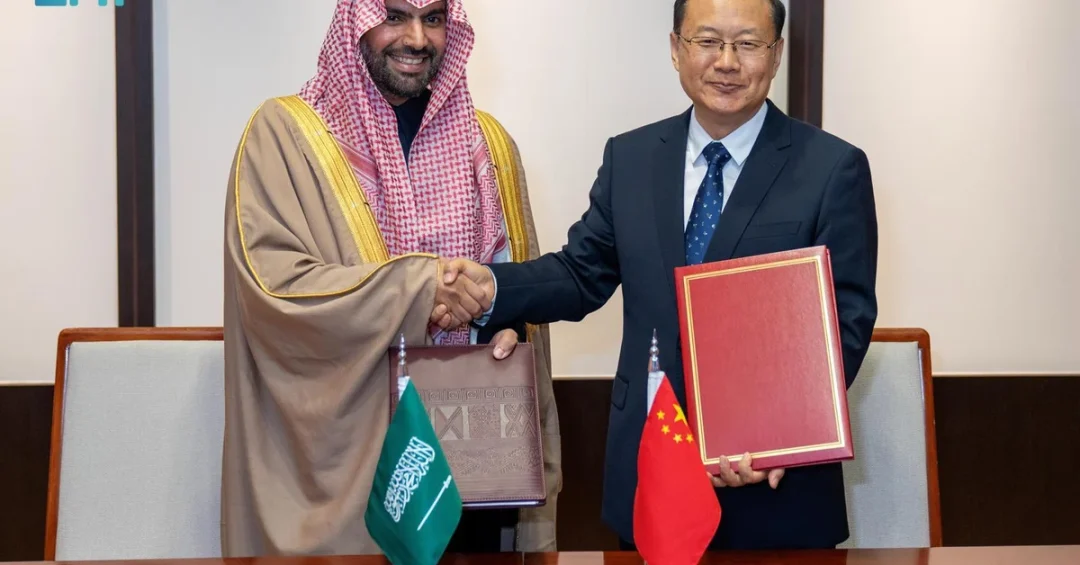
The Kingdom of Saudi Arabia and the People’s Republic of China have officially signed the Saudi-China Cultural Year 2025 Executive Program, a landmark agreement aimed at deepening cultural cooperation and mutual understanding. The program, signed by the Ministry of Culture of Saudi Arabia and the Ministry of Culture and Tourism of China, was announced via the Saudi Press Agency on October 17, 2024. This executive program establishes a framework for a year-long series of cultural events in both countries during 2025, celebrating the unique heritage and fostering people-to-people connectivity between the two nations.
Context and Background
This agreement builds on the longstanding diplomatic and economic partnership between Saudi Arabia and China, which has expanded significantly in recent years. The Cultural Year 2025 initiative reflects the growing strategic alignment between the two countries, as both seek to enhance cultural diplomacy as a cornerstone of their international relations. The program aims to transcend traditional cooperation by emphasizing shared values and future-oriented collaboration.
Key Details
The Saudi-China Cultural Year 2025 Executive Program will feature a range of cultural activities, including exhibitions, performances, and heritage showcases, designed to highlight the richness of both civilizations. Prince Badr bin Abdullah bin Farhan Al Saud, Minister of Culture of Saudi Arabia, stated: “The cultural relations between Saudi Arabia and China build a lasting bridge of mutual understanding, enriching both nations and creating a partnership that transcends borders and drives future prosperity.” The program underscores the commitment of both governments to sustainable cultural exchange and mutual respect.
Implications and Impact
This cultural year is expected to strengthen bilateral ties, enhancing tourism, education, and creative industries. It positions Saudi Arabia as a global cultural hub, aligning with its broader strategy to diversify international partnerships. The initiative also supports regional stability by promoting dialogue and cooperation between two major global powers, with implications for trade and investment in related sectors.
Vision 2030 Alignment
The signing of the Saudi-China Cultural Year 2025 Executive Program is a direct reflection of the Kingdom’s Vision 2030 ambitions, particularly the goal to enrich cultural life and promote cross-cultural understanding. By leveraging cultural exchange to build sustainable international relationships, Saudi Arabia is demonstrating its commitment to a vibrant society and diversified global engagement. This program paves the way for long-term collaboration, enhancing the Kingdom’s role as a bridge between civilizations.
20 Questions
Q1. What is the Saudi-China Cultural Year 2025 Executive Program?
A1. It is a formal agreement signed by the Ministry of Culture of Saudi Arabia and the Ministry of Culture and Tourism of China to coordinate cultural events and deepen mutual understanding through shared heritage and activities in 2025.
Q2. When was the executive program signed?
A2. The program was signed on October 17, 2024, as announced by the Saudi Press Agency, setting the stage for the cultural year to take place in 2025.
Q3. Who signed the agreement on behalf of Saudi Arabia?
A3. The agreement was signed by the Ministry of Culture of the Kingdom of Saudi Arabia, represented by Minister of Culture Prince Badr bin Abdullah bin Farhan Al Saud.
Q4. What is the main goal of the Cultural Year?
A4. The main goal is to strengthen cultural relations and friendly ties between Saudi Arabia and China through collaborative events that showcase their unique cultures and heritage.
Q5. How will the Cultural Year benefit Saudi Arabia?
A5. It will promote Saudi Arabia’s cultural heritage globally, boost tourism, and strengthen people-to-people connections, supporting the Kingdom’s diversification goals under Vision 2030.
Q6. What types of events will be held during the Cultural Year?
A6. Both countries will host cultural events such as exhibitions, performances, and heritage showcases to celebrate their unique traditions and enhance cultural connectivity.
Q7. Why is this agreement important for Saudi-China relations?
A7. It builds on the longstanding partnership between the two countries, foster mutual respect and understanding, and creates a framework for future cooperation in various sectors beyond culture.
Q8. How does this program align with Vision 2030?
A8. It aligns with Vision 2030’s goals to enrich cultural life, promote international cultural exchange, and diversify Saudi Arabia’s global partnerships for sustainable development.
Q9. What role does Prince Badr bin Abdullah bin Farhan Al Saud play in this initiative?
A9. As Minister of Culture, he led the signing of the program and highlighted how cultural relations build a lasting bridge of mutual understanding and shared progress.
Q10. What is the significance of the cultural year taking place in 2025?
A10. It marks a deliberate timeline to plan and execute a comprehensive series of events, ensuring maximum impact and participation from both nations’ cultural sectors.
Q11. How will the Cultural Year affect people-to-people connections?
A11. The program aims to strengthen these connections by encouraging direct interaction between citizens through cultural activities, exchange programs, and collaborative projects.
Q12. What does the Chinese Ministry of Culture and Tourism contribute?
A12. The Chinese ministry co-signed the agreement, committing to host Saudi cultural events in China and organize Chinese cultural presentations in Saudi Arabia to foster bilateral exchange.
Q13. Is this the first cultural year between Saudi Arabia and China?
A13. This executive program establishes a new phase in cultural exchange, building on previous diplomatic and economic ties, but it formalizes a dedicated year of coordinated cultural activities.
Q14. How does the program support Saudi Arabia’s global role?
A14. It positions the Kingdom as a cultural hub and bridge between civilizations, enhancing its international standing and demonstrating its commitment to responsible, collaborative global engagement.
Q15. Will tourism benefit from the Cultural Year?
A15. Yes, the program is expected to boost tourism by attracting Chinese visitors to Saudi Arabia and encouraging Saudis to explore China, supporting the tourism sector under Vision 2030.
Q16. What is the broader context of Saudi-China relations?
A16. The two countries have a strong partnership in trade, energy, and investment, and the cultural year deepens this relationship by adding a cultural dimension to their strategic ties.
Q17. How does the agreement ensure cultural authenticity?
A17. By having both ministries oversee the planning, the events will authentically represent each country’s heritage and traditions, ensuring respectful and accurate cultural showcasing.
Q18. What message does Prince Badr’s statement convey?
A18. His statement emphasizes that cultural relations create a partnership that transcends borders, enriching both nations and driving future prosperity through mutual understanding.
Q19. How will the Cultural Year be promoted internationally?
A19. The program will likely be promoted through official Saudi and Chinese channels, as well as international media, to attract global attention and participation from cultural enthusiasts worldwide.
Q20. What long-term impact is expected from this program?
A20. It is expected to forge lasting ties in education, arts, and innovation, creating a dynamic path toward shared progress and deeper strategic partnership between Saudi Arabia and China.
Reader Feedback
We value your thoughts. Please share your feedback on this article.
Your feedback helps us improve our coverage.