


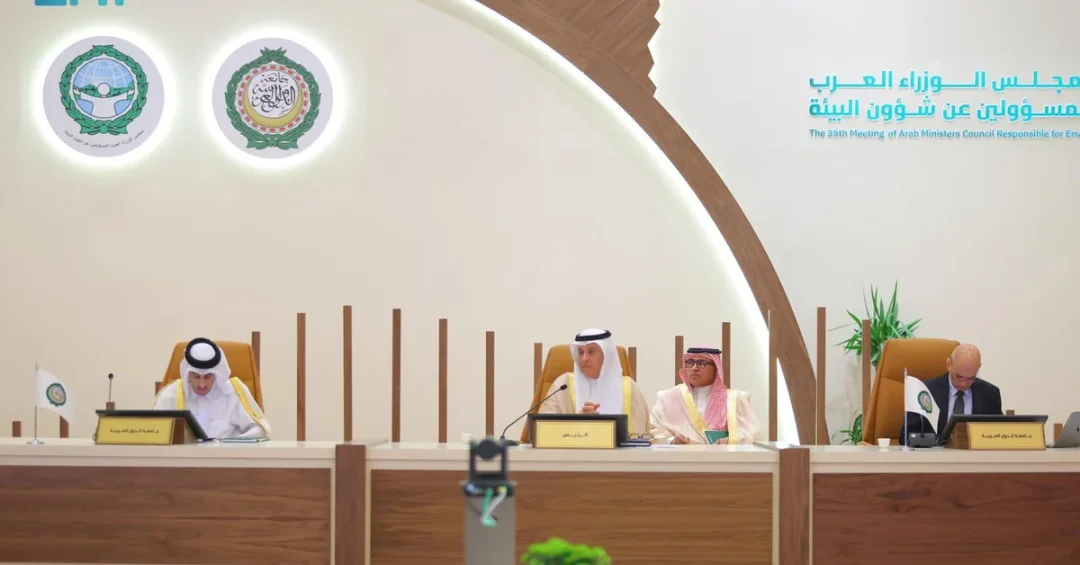
The Kingdom of Saudi Arabia chaired the 35th session of the Council of Arab Ministers Responsible for Environment in Jeddah from October 13-17, 2024. Organized by the Ministry of Environment, Water and Agriculture in cooperation with the League of Arab States, the session brought together Arab ministers and representatives of regional and international organizations to address critical environmental challenges facing the region.
Context and Background
The convening of this session comes at a pivotal time for environmental governance in the Arab world, as nations grapple with water scarcity, desertification, and climate change. The Arab region, with only 2% of the world’s renewable water supplies, is among the driest globally, making collective action essential. Saudi Arabia’s leadership of the council underscores its commitment to fostering regional cooperation on environmental sustainability, aligned with its Vision 2030 goals.
Key Details
During the session, Minister of Environment, Water and Agriculture Abdulrahman Alfadley emphasized Saudi Arabia’s holistic approach to environmental protection, which includes preserving biodiversity, enhancing vegetation cover, and implementing national legislation and strategies. He highlighted the Saudi Green Initiative and the Middle East Green Initiative as flagship programs under Vision 2030. Assistant Secretary General of the Arab League Ambassador Ali bin Ibrahim AlMalki noted the significant role of Arab nations in global climate conferences, including COP27 in Egypt, COP28 in the UAE, and the upcoming COP16 to be hosted by Saudi Arabia. The session also covered challenges facing the Arab Union for Nature Reserves, climate change issues, and the interconnectedness of water, agriculture, and environmental policies.
Implications and Impact
The outcomes of the session are expected to strengthen regional collaboration on environmental sustainability. The announcement that Riyadh has been named the Arab Environment Capital for the next two years highlights Saudi Arabia’s leadership in this field. Additionally, the Saudi Green Initiative received the Distinguished Environmental Project Award at the government sector level, further cementing the Kingdom’s role as a regional environmental champion. Arab nations were also invited to join the Middle East Green Initiative and actively participate in COP16, fostering unity in addressing shared environmental challenges.
Vision 2030 Alignment
This session directly supports Saudi Arabia’s Vision 2030 objectives of environmental sustainability and economic diversification. By chairing the council and launching initiatives like the Saudi Green Initiative, the Kingdom is positioning itself as a global leader in environmental stewardship. The emphasis on international cooperation and hosting COP16 demonstrates Saudi Arabia’s commitment to building a greener future, aligning with the long-term vision of a prosperous and sustainable society.
20 Questions
Q1. What was the main event Saudi Arabia chaired in October 2024?
A1. Saudi Arabia chaired the 35th session of the Council of Arab Ministers Responsible for Environment, held in Jeddah from October 13-17, 2024.
Q2. Who organized the 35th session of the Council of Arab Ministers Responsible for Environment?
A2. The session was organized by the Ministry of Environment, Water and Agriculture in cooperation with the League of Arab States.
Q3. When and where did the 35th session take place?
A3. The session took place from October 13-17, 2024, in Jeddah, Kingdom of Saudi Arabia.
Q4. Which Saudi minister spoke at the session?
A4. Minister of Environment, Water and Agriculture Abdulrahman Alfadley delivered remarks during the session.
Q5. What key initiatives did Minister Alfadley highlight?
A5. He highlighted the Saudi Green Initiative and the Middle East Green Initiative as flagship programs under Vision 2030.
Q6. What environmental challenges does the Arab region face according to the UNCCD Executive Secretary?
A6. The Arab region faces a severe water crisis, with only 2% of the world’s renewable water supplies, making it one of the driest regions globally.
Q7. Who is the Executive Secretary of the UNCCD mentioned in the session?
A7. Ibrahim Thiaw is the Executive Secretary of the United Nations Convention to Combat Desertification.
Q8. Which Arab League official addressed the session?
A8. Assistant Secretary General and Head of the Economic Affairs Sector at the Arab League Ambassador Ali bin Ibrahim AlMalki addressed the session.
Q9. What global climate conferences were referenced by Ambassador AlMalki?
A9. He referenced COP27 in Egypt, COP28 in the UAE, and the upcoming COP16 to be hosted by Saudi Arabia.
Q10. What critical environmental topics were covered during the session?
A10. Topics included challenges facing the Arab Union for Nature Reserves, climate change issues, and international environmental agreements.
Q11. What city was named the Arab Environment Capital for the next two years?
A11. Riyadh was named the Arab Environment Capital for the next two years during the session.
Q12. What award did the Saudi Green Initiative receive?
A12. The Saudi Green Initiative received the Distinguished Environmental Project Award at the government sector level.
Q13. What invitation was extended to Arab countries during the session?
A13. Arab countries were invited to join the Middle East Green Initiative and actively participate in COP16.
Q14. How does Saudi Arabia’s approach to the environment align with Vision 2030?
A14. Saudi Arabia takes a holistic approach to the environment, aligning with Vision 2030 by protecting natural environments, preserving biodiversity, and implementing sustainability strategies.
Q15. What national initiatives has Saudi Arabia implemented for environmental protection?
A15. Saudi Arabia has implemented national legislation, strategies, and plans dedicated to environmental protection and sustainability, including the Saudi and Middle East Green Initiatives.
Q16. What role did the League of Arab States play in this session?
A16. The League of Arab States cooperated with the Ministry of Environment, Water and Agriculture to organize the session.
Q17. Which international organizations participated in the session?
A17. Representatives of many relevant regional and international organizations participated in the session.
Q18. What is the significance of the session for regional environmental cooperation?
A18. The session strengthened regional collaboration on environmental sustainability and addressed shared challenges like water scarcity and climate change.
Q19. How did the session support Saudi Arabia’s role in global environmental governance?
A19. By chairing the session and hosting COP16, Saudi Arabia demonstrated leadership in global environmental governance and commitment to Vision 2030.
Q20. What future events were highlighted as opportunities for Arab nations?
A20. Arab nations were encouraged to participate in COP16 and join the Middle East Green Initiative to address environmental challenges collectively.
Reader Feedback
We value your thoughts. Please share your feedback on this article.
Your feedback helps us improve our coverage.