


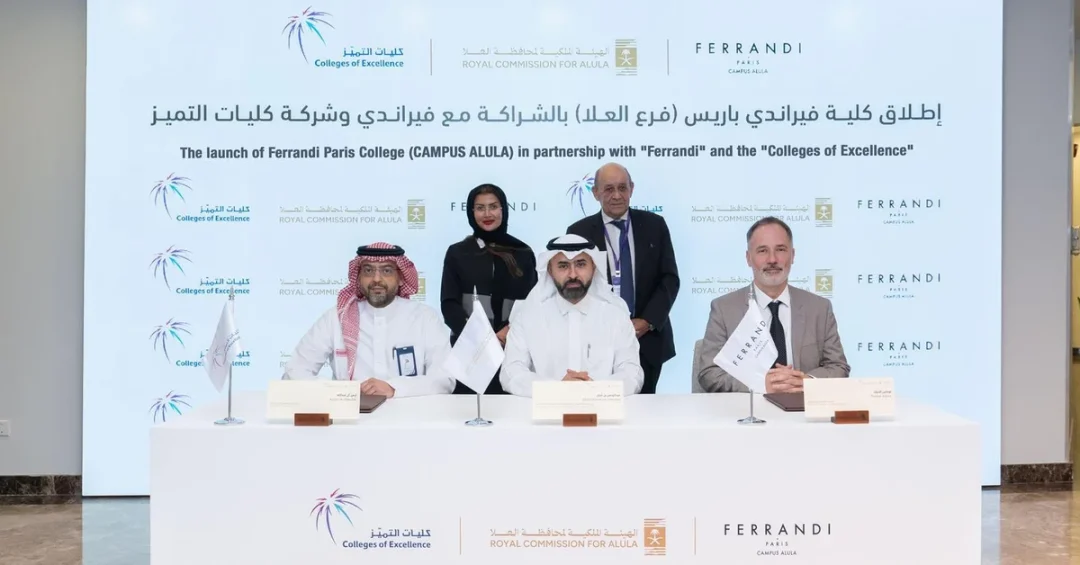
The Royal Commission for AlUla (RCU) has announced a strategic partnership with Ferrandi Paris, the esteemed French culinary school, to establish Ferrandi Paris College (CAMPUS ALULA) in AlUla, a landmark initiative announced during the 8th Future Investment Initiative (FII8) Conference. This collaboration marks a significant step in advancing Saudi Arabia’s human capital development ambitions, particularly within the culinary arts, tourism, and hospitality sectors.
Context and Background
AlUla, a region of immense historical and cultural significance in northwestern Saudi Arabia, is undergoing a transformative journey under the Vision 2030 umbrella. The RCU is dedicated to developing AlUla as a premier global destination for heritage, culture, and sustainable tourism. This new college directly supports that vision by creating a skilled local workforce equipped to meet the demands of a growing hospitality industry, blending international expertise with Saudi heritage.
Key Details of the Partnership
Ferrandi Paris College (CAMPUS ALULA) will offer three-year diploma programs in culinary arts, tourism, and hospitality, designed to provide students with comprehensive skills for successful careers. The college plans to enroll 100 students in its inaugural year, offering training in traditional and modern French cuisine, confectionery, bakery, and hospitality and tourism services. This initiative underscores RCU’s commitment to positioning AlUla as a global education hub for these vital sectors.
Implications and Impact
The partnership between RCU and Ferrandi Paris is poised to have far-reaching implications for the region. By developing local talent, the college will reduce dependency on foreign expertise, enhance service quality, and create sustainable employment opportunities for Saudi nationals. This aligns with broader national goals of economic diversification and localizing skills, ensuring that AlUla’s growth benefits its community while attracting international visitors and investment.
Vision 2030 Alignment
The establishment of Ferrandi Paris College (CAMPUS ALULA) is a direct contributor to Saudi Arabia’s Vision 2030 objectives. It fosters human capital development, promotes cultural exchange between Saudi Arabia and France, and supports the growth of the tourism and hospitality industries as pillars of a diversified economy. Through this initiative, the RCU is building a foundation for long-term prosperity, showcasing AlUla as a center of excellence that nurtures talent and innovation in harmony with its rich heritage.
20 Questions
Q1. What is the Royal Commission for AlUla’s new initiative with Ferrandi Paris?
A1. The Royal Commission for AlUla partnered with Ferrandi Paris to establish Ferrandi Paris College (CAMPUS ALULA), offering diploma programs in culinary arts, tourism, and hospitality in AlUla.
Q2. When was this partnership announced?
A2. The partnership was announced during the 8th Future Investment Initiative (FII8) Conference, reflecting its alignment with Saudi Arabia’s strategic economic and developmental goals.
Q3. Where will Ferrandi Paris College (CAMPUS ALULA) be located?
A3. The college will be located in AlUla, a historically rich region in northwestern Saudi Arabia known for its cultural heritage and tourism potential.
Q4. What programs will the college offer?
A4. The college will offer three-year diploma programs in culinary arts, tourism, and hospitality, covering topics like French cuisine, confectionery, bakery, and hospitality services.
Q5. How many students will be enrolled in the first year?
A5. The college aims to enroll 100 students in its inaugural year, providing focused training to build a skilled local workforce.
Q6. Why is this partnership important for AlUla?
A6. It positions AlUla as a global education hub for culinary arts and hospitality, supporting sustainable tourism development and local job creation under Vision 2030.
Q7. Who is Ferrandi Paris?
A7. Ferrandi Paris is a prestigious French school specializing in culinary arts and hospitality management, known for its world-class training and international reputation.
Q8. How does this initiative support Vision 2030?
A8. It contributes to human capital development, economic diversification, and tourism growth, key pillars of Saudi Arabia’s Vision 2030 plan for a vibrant society and thriving economy.
Q9. What types of cuisine will be taught at the college?
A9. The curriculum includes traditional and modern French cuisine, along with confectionery and bakery skills, blending international standards with local context.
Q10. Is this college part of a larger development plan for AlUla?
A10. Yes, it aligns with RCU’s broader vision to transform AlUla into a premier destination for culture, heritage, and sustainable tourism, enhancing its global appeal.
Q11. How will the college benefit local communities?
A11. It will provide Saudi nationals with skills for careers in hospitality and tourism, creating employment opportunities and supporting community development in AlUla.
Q12. What is the duration of the diploma programs?
A12. The programs are three-year diplomas, offering comprehensive training in culinary arts, tourism, and hospitality to ensure graduates are job-ready.
Q13. Will the college focus only on French cuisine?
A13. While French cuisine is a core component, the curriculum also covers hospitality and tourism services, providing a well-rounded education for diverse careers.
Q14. How does this partnership strengthen Saudi-France relations?
A14. It exemplifies cultural and educational collaboration between Saudi Arabia and France, fostering mutual understanding and shared expertise in high-value sectors.
Q15. What is the role of the Royal Commission for AlUla in this project?
A15. RCU oversees the development and strategic direction of AlUla, partnering with Ferrandi Paris to ensure the college meets global standards and local needs.
Q16. What qualifications will graduates receive?
A16. Graduates will earn a diploma from Ferrandi Paris College (CAMPUS ALULA), recognized for its association with a renowned French institution and practical skills training.
Q17. How does this initiative promote sustainable development?
A17. By training local talent, it reduces reliance on expatriate labor, builds long-term human capital, and supports AlUla’s sustainable tourism model aligned with Vision 2030.
Q18. Will the college offer any other fields of study?
A18. The initial focus is on culinary arts, tourism, and hospitality, but future expansions may include related fields to support AlUla’s growing economy.
Q19. How can students apply to the college?
A19. The Royal Commission for AlUla will announce application details through its official channels, with admissions likely opening as the college prepares for its inaugural year.
Q20. What is the expected impact of the college on Saudi Arabia’s tourism sector?
A20. It will produce skilled professionals to elevate service standards in hospitality, boosting AlUla’s attractiveness as a destination and supporting national tourism goals under Vision 2030.
Reader Feedback
We value your thoughts. Please share your feedback on this article.
Your feedback helps us improve our coverage.