


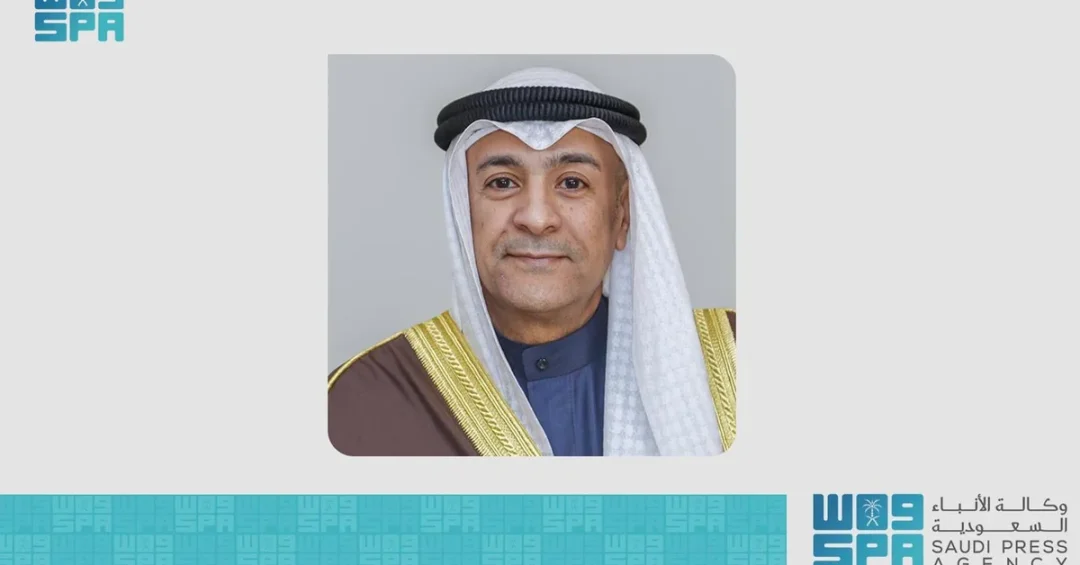
The total number of approved Gulf standard specifications and technical regulations has surpassed 27,600, according to a statement by the Secretary General of the Gulf Cooperation Council (GCC), Jasem Mohamed Albudaiwi, during the eighth meeting of the GCC Ministerial Committee for Standardisation Affairs held in Doha on Thursday, November 1, 2024. The milestone underscores the robust joint work between the GCC and national standardization bodies, facilitating trade, ensuring product safety, and enhancing the Gulf region’s investment appeal.
Context and Background
The announcement comes as part of ongoing efforts under Vision 2030 and broader GCC economic integration goals. Albudaiwi emphasized that the GCC Standardisation Organisation (GSO) plays a critical role in unifying technical requirements for intra-GCC trade. Established to improve connectivity among member states, the GSO builds on the economic agreement signed on December 31, 2001, aiming to streamline regulations and boost regional market efficiency.
Key Details
The meeting was chaired by Qatari Minister of Commerce and Industry, Sheikh Mohammed bin Hamad bin Qassim Al Thani, who serves as president of the current session. Albudaiwi expressed gratitude to Amir Sheikh Tamim bin Hamad Al Thani of Qatar for hosting the event and supporting GCC initiatives. He highlighted that the GSO’s unified outputs—including standard specifications, technical regulations, and conformity assessment procedures—cover diverse industrial, production, and service sectors, directly contributing to easier movement of goods and consumer protection from counterfeit products.
Implications and Impact
This achievement is expected to further strengthen regional trade flows, support the growth and marketing of Gulf products in global markets, and safeguard the environment and public health. Albudaiwi noted that the meeting reviewed recommendations from the Technical Council to enhance GSO capabilities, improve procedures, and develop technical capacities in national standardization bodies, thereby reinforcing the Gulf’s competitive position internationally.
Vision 2030 Alignment
Coinciding with Saudi Arabia’s Vision 2030, this milestone reflects the Kingdom’s leadership in fostering economic diversification and regional cooperation. By standardizing regulations, Saudi Arabia and GCC partners create a more attractive investment climate, accelerate non-oil trade, and support sustainable development goals. As the GCC continues to harmonize standards, the stage is set for deeper integration, innovation, and shared prosperity across the region.
20 Questions
Q1. What is the significance of 27,600 approved Gulf standard specifications?
A1. It demonstrates extensive joint work between the GCC and national bodies, facilitating trade, ensuring product safety, and enhancing the Gulf investment environment.
Q2. Who announced this milestone?
A2. GCC Secretary General Jasem Mohamed Albudaiwi announced it during the eighth meeting of the GCC Ministerial Committee for Standardisation Affairs in Doha.
Q3. When did the meeting occur?
A3. The meeting took place on Thursday, November 1, 2024, in Doha, Qatar.
Q4. Who chaired the meeting?
A4. The meeting was chaired by Qatari Minister of Commerce and Industry, Sheikh Mohammed bin Hamad bin Qassim Al Thani.
Q5. What is the GCC Standardisation Organisation (GSO)?
A5. The GSO is a strategic body that issues standard specifications, technical regulations, and conformity assessment procedures to harmonize trade among GCC states.
Q6. How does this milestone benefit trade?
A6. It standardizes technical requirements, facilitating smooth movement of goods, reducing barriers, and supporting Gulf products in regional and global markets.
Q7. What sectors do these standards cover?
A7. They cover industrial, production, and service sectors, including health, environment, and consumer protection.
Q8. How does it protect consumers?
A8. By establishing safety and quality benchmarks, these standards help prevent harmful and counterfeit products from entering the market.
Q9. What is the role of national standardization bodies?
A9. They collaborate with the GSO to develop and implement standards, ensuring alignment with regional goals and local needs.
Q10. How does this relate to the 2001 economic agreement?
A10. The agreement signed on December 31, 2001, laid the foundation for economic integration, which the GSO supports through unified standards.
Q11. What recommendations were reviewed at the meeting?
A11. Recommendations from the Technical Council aimed at enhancing GSO capabilities and improving procedures to serve the Gulf standardization system.
Q12. How does this support Vision 2030?
A12. It promotes economic diversification, investment attractiveness, and non-oil trade—key pillars of Saudi Arabia’s Vision 2030 development plan.
Q13. What is the impact on the investment environment?
A13. Unified standards reduce regulatory uncertainty, making the Gulf more attractive to foreign investors and businesses.
Q14. Does this affect environmental protection?
A14. Yes, the standards include regulations that preserve the environment and health by controlling pollutants and hazardous materials.
Q15. How many member states are in the GCC?
A15. The GCC includes six member states: Saudi Arabia, United Arab Emirates, Qatar, Kuwait, Oman, and Bahrain.
Q16. What is the role of Qatar in this meeting?
A16. Qatar hosted the meeting, with its leaders providing support and facilities, reflecting its commitment to GCC cooperation.
Q17. How often does the Ministerial Committee meet?
A17. The committee meets periodically to review progress, address challenges, and set strategic directions for standardization affairs.
Q18. What are technical regulations in this context?
A18. They are mandatory rules that specify characteristics of products or processes, including safety and performance requirements.
Q19. How do these standards help Gulf products globally?
A19. By meeting international benchmarks, Gulf products gain credibility and easier access to foreign markets, boosting exports.
Q20. What is the future outlook for GCC standardization?
A20. Continued harmonization and capacity building will likely expand the standards base, further integrating the Gulf economy and supporting Vision 2030.
Reader Feedback
We value your thoughts. Please share your feedback on this article.
Your feedback helps us improve our coverage.